
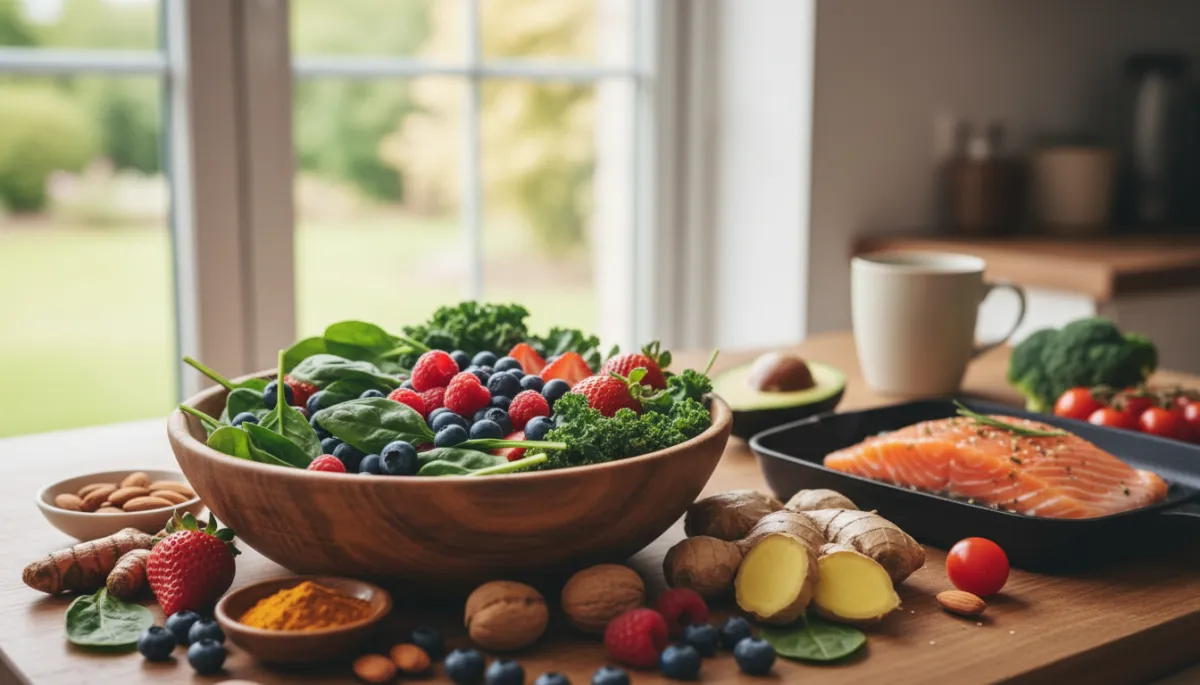
Top Anti-Inflammatory Foods for Veterans' Pain
Veterans Health, Anti-inflammatory Foods, Chronic Pain Relief
Best Anti-Inflammatory Foods for Veterans Living With Chronic Pain
If you’re a veteran living with ongoing aches, stiffness, or flare-ups, you’re not alone—and you’re not helpless. While food can’t replace your doctor, the right anti-inflammatory foods can support chronic pain relief, improve veterans health, and help you manage pain naturally day after day.
How Food Affects Chronic Pain and Inflammation
Chronic pain is more than a lingering injury. For many veterans, it’s a daily companion tied to old service-related wounds, joint wear and tear, nerve damage, or conditions like arthritis and fibromyalgia. Underneath all of these is a common thread: inflammation. Some inflammation is helpful—it’s how your body heals. But when it sticks around too long, it can keep your pain switch turned on.
Here’s where a healthy diet comes in. What you eat can either fuel the fire of inflammation or help calm it down. Highly processed foods, added sugars, and unhealthy fats tend to fan the flames. In contrast, anti-inflammatory foods—whole, colorful, nutrient-dense options—provide natural compounds that support chronic pain relief and overall veterans health. Think of them as one of your most accessible natural remedies for pain management, right in your kitchen.
💡 Friendly Reminder: Food is not a quick-fix painkiller, but a steady ally. Small, consistent changes to your meals can add up to meaningful pain management naturally over weeks and months.
Building a Veteran-Friendly Anti-Inflammatory Plate
Before we dive into specific foods, it helps to picture what an anti-inflammatory meal actually looks like. You don’t need fancy recipes or expensive ingredients. A simple framework can guide you whether you’re cooking at home, eating in the VA cafeteria, or grabbing something on the road:
Half your plate: Colorful vegetables and some fruit—fresh, frozen, or lightly cooked.
One quarter: Lean protein such as fish, beans, lentils, or poultry to support muscle and tissue repair.
One quarter: Whole grains like brown rice, oats, or quinoa for steady energy and fiber.
Healthy fats: A drizzle of olive oil, a handful of nuts, or some avocado to help calm inflammation and keep you full.
📌 Key Takeaway: Anti-inflammatory eating is less about perfection and more about patterns. The more often your plate looks like this, the more support you give your body for chronic pain relief.
Top Anti-Inflammatory Foods for Veterans With Chronic Pain
1. Fatty Fish Rich in Omega-3s
Salmon, sardines, mackerel, trout, and herring are all loaded with omega-3 fatty acids, powerful allies against inflammation. Omega-3s help your body produce compounds that dial back inflammatory signals, which may ease joint pain, stiffness, and even some nerve-related discomfort. For veterans dealing with arthritis, back pain, or lingering injuries, including fish a few times a week can be a simple, tasty way to support pain management naturally.
Easy ideas: Canned salmon on whole-grain crackers, grilled trout with roasted vegetables, or a salmon salad with leafy greens and olive oil.
2. Leafy Greens and Colorful Vegetables
Spinach, kale, collard greens, Swiss chard, and other leafy vegetables are packed with vitamins, minerals, and antioxidants. These nutrients help your body neutralize free radicals—unstable molecules that can contribute to chronic inflammation and tissue damage. Bright vegetables like bell peppers, carrots, beets, and sweet potatoes add even more anti-inflammatory power through natural plant pigments and fiber that supports gut health, another key player in inflammation and veterans health.
Easy ideas: Toss a handful of spinach into scrambled eggs, add mixed greens to sandwiches, or roast a tray of carrots, onions, and sweet potatoes for the week.
3. Berries and Other Low-Sugar Fruits
Strawberries, blueberries, raspberries, and blackberries may be small, but they’re loaded with antioxidants and anti-inflammatory compounds like anthocyanins. These natural chemicals help protect your cells, support blood vessels, and may reduce inflammation linked to joint and muscle pain. Other lower-sugar fruits like cherries, oranges, and apples can also fit into an anti-inflammatory, healthy diet for chronic pain relief.
Easy ideas: Add frozen berries to oatmeal, snack on an apple with peanut butter, or top plain yogurt with sliced strawberries and a sprinkle of nuts.
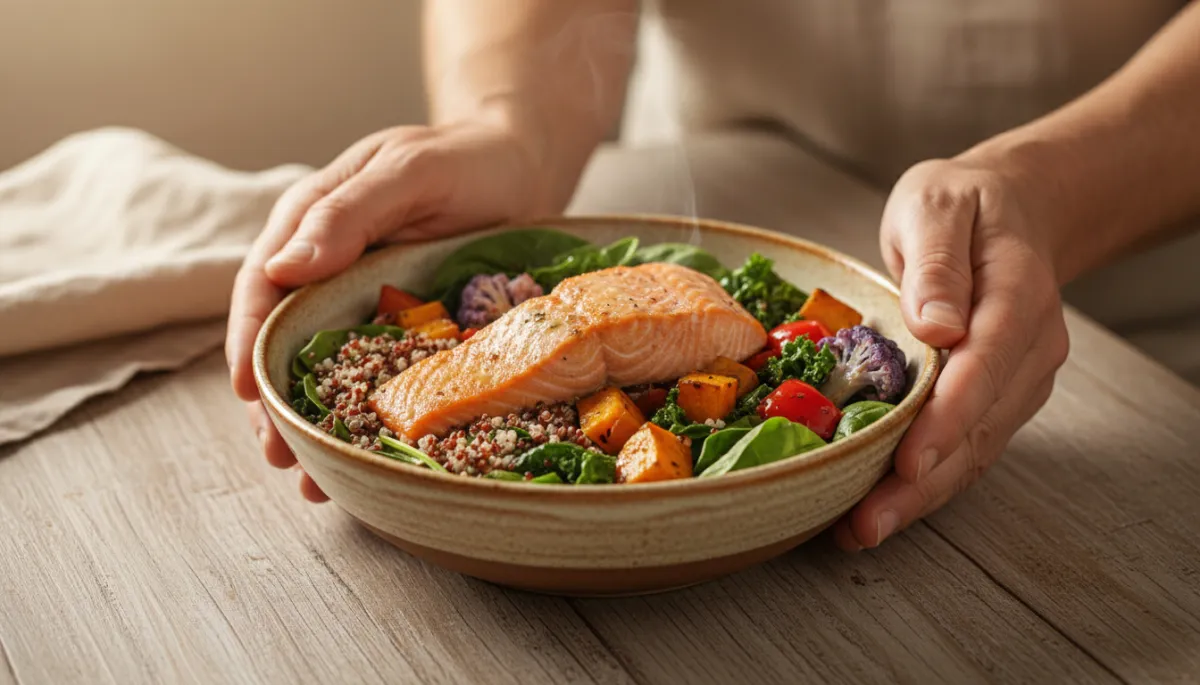
Simple, balanced meals can quietly support daily pain management and overall resilience.
4. Whole Grains Instead of Refined Carbs
Refined grains—like white bread, white rice, and pastries—can cause quick spikes in blood sugar, which may worsen inflammation over time. Whole grains, on the other hand, provide fiber, vitamins, and minerals that support gut health and more stable energy. Options like oats, brown rice, quinoa, barley, and whole-wheat pasta fit well into an anti-inflammatory eating plan for veterans health and chronic pain relief.
Easy ideas: Start your day with oatmeal topped with berries, swap white rice for brown rice, or choose whole-grain bread for sandwiches.
5. Healthy Fats: Olive Oil, Nuts, and Seeds
Not all fats are created equal. Extra-virgin olive oil, avocados, and nuts like walnuts, almonds, and pistachios are rich in monounsaturated and polyunsaturated fats that help reduce inflammation rather than fuel it. Seeds such as chia, flax, and pumpkin seeds also provide healthy fats and fiber, supporting heart health and pain management naturally. Replacing butter, shortening, or highly processed oils with olive oil is a simple shift that can benefit veterans health over time.
Easy ideas: Use olive oil for salad dressings, snack on a small handful of nuts, or sprinkle ground flaxseeds into yogurt or smoothies.
6. Beans and Plant-Based Proteins
Beans, lentils, and peas are budget-friendly, shelf-stable, and full of fiber and plant-based protein. They support a healthy gut microbiome, which plays a surprising role in inflammation and immune function. For veterans working on weight management, beans can help you feel full without excess calories, which is important because carrying extra weight often increases joint and back pain.
Easy ideas: Add black beans to tacos, toss chickpeas into salads, or make a simple lentil soup with vegetables and herbs.
7. Herbs and Spices: Turmeric, Ginger, and More
Certain herbs and spices act like concentrated anti-inflammatory foods. Turmeric, a golden spice used in many curries, contains curcumin, a compound shown to help reduce inflammation and may support joint comfort. Ginger has similar effects and can ease nausea as well. Garlic, cinnamon, rosemary, and oregano all bring flavor and natural anti-inflammatory benefits, making them easy natural remedies to weave into daily meals for pain management naturally.
Easy ideas: Stir turmeric into scrambled eggs or soups, sip ginger tea, add garlic and herbs to roasted vegetables, or sprinkle cinnamon on oatmeal.
8. Fermented Foods for Gut and Immune Support
Your gut is home to trillions of bacteria that help digest food, regulate immunity, and influence inflammation. Fermented foods like yogurt with live cultures, kefir, sauerkraut, kimchi, and miso provide beneficial bacteria that can help keep your gut environment balanced. For veterans dealing with chronic pain, supporting gut health through a healthy diet is another gentle way to promote chronic pain relief and overall veterans health from the inside out.
Easy ideas: Choose plain yogurt with live cultures and add your own fruit, enjoy a small side of sauerkraut with meals, or sip a glass of kefir as a snack.
Foods That May Worsen Inflammation and Pain
Just as some foods can help calm inflammation, others may aggravate it. You don’t need to be perfect, but being aware of common triggers can support smarter choices for pain management naturally. Many veterans find it helpful to gradually reduce:
Highly processed meats: Hot dogs, sausage, bacon, and deli meats often contain preservatives and unhealthy fats that can promote inflammation.
Refined sugars: Sugary drinks, candy, and pastries can spike blood sugar and contribute to inflammation and weight gain, which can worsen joint and back pain.
Refined grains: White bread, white rice, and many snack foods lack fiber and nutrients, offering little for veterans health and chronic pain relief.
Trans fats and heavily fried foods: Some fast foods and packaged snacks contain fats that increase inflammation and strain the heart.
💡 Gentle Tip: Instead of focusing on what to cut out, start by adding more anti-inflammatory foods. Over time, they often crowd out less helpful options naturally.
Simple Meal and Snack Ideas for Everyday Pain Management
Turning this information into real meals can feel like a big step, especially if you’re juggling appointments, family, or limited energy. Here are some friendly, realistic ideas tailored to veterans working on chronic pain relief through a healthy diet and natural remedies:
Breakfast Ideas
Oatmeal cooked with cinnamon, topped with blueberries and a spoonful of walnuts for anti-inflammatory fats and fiber.
Plain yogurt with live cultures, mixed with sliced strawberries, ground flaxseeds, and a drizzle of honey.
Scrambled eggs with spinach and tomatoes, cooked in a little olive oil and served with a slice of whole-grain toast.
Lunch and Dinner Ideas
Grilled salmon or canned tuna over mixed greens with cherry tomatoes, cucumbers, olives, and an olive oil–based dressing.
Brown rice bowl with black beans, sautéed peppers and onions, avocado slices, and a sprinkle of cheese if you tolerate dairy well.
Baked chicken thighs with rosemary and garlic, served with roasted sweet potatoes and steamed broccoli tossed with olive oil.
Snack and Beverage Ideas
A small handful of almonds and an apple or pear for a fiber-rich, portable snack that supports veterans health on the go.
Carrot sticks, bell pepper strips, or cherry tomatoes with hummus for a plant-based protein and veggie combo.
Ginger or turmeric tea, or simply water with a slice of lemon, to stay hydrated without added sugar.
💡 Pro Tip: If standing to cook is difficult due to chronic pain, consider prepping ingredients sitting down, using a slow cooker, or asking a family member to help batch-cook anti-inflammatory meals for the week.
Natural Remedies and Lifestyle Habits That Support Anti-Inflammatory Eating
Anti-inflammatory foods are a powerful part of a larger toolkit for pain management naturally, but they work best alongside other simple, steady habits. Many veterans find more relief when they combine a healthy diet with additional natural remedies and supportive routines, such as:
Staying hydrated: Drinking enough water helps your joints stay lubricated and supports digestion, circulation, and energy levels.
Gentle movement: Low-impact activities like walking, swimming, or stretching can reduce stiffness, support joint health, and complement the benefits of anti-inflammatory foods for chronic pain relief. Always follow your provider’s guidance on what’s safe for you.
Quality sleep: Poor sleep can increase pain sensitivity and inflammation. A calming bedtime routine and a consistent schedule can make a real difference in veterans health and pain management.
Stress management: Chronic stress keeps your nervous system on high alert, which may worsen pain. Deep breathing, mindfulness, time outdoors, or connecting with fellow veterans can all help your body shift into a more relaxed state that supports healing.
📌 Key Takeaway: Think of anti-inflammatory foods as part of a team. When combined with movement, sleep, and stress relief, they create a stronger foundation for long-term pain management naturally.
Making Changes That Fit Real Veteran Life
Living with chronic pain can make even small tasks feel big. If you’re dealing with limited mobility, fatigue, PTSD, or other health challenges, overhauling your entire diet overnight isn’t realistic—or necessary. Instead, focus on small, sustainable steps that respect your energy and your budget while still moving you toward better veterans health and chronic pain relief.
Start by adding one anti-inflammatory food a day—maybe a piece of fruit, a serving of leafy greens, or a handful of nuts.
When you’re ready, choose one swap, like replacing a sugary drink with water or tea, or trading white bread for whole grain.
If cooking is tough, look for shortcuts: pre-chopped vegetables, frozen fruits, canned beans, and precooked brown rice can all save time and effort while still supporting a healthy diet.
💡 Friendly Encouragement: Every positive change counts, no matter how small it seems. You’ve handled tough missions before—this time, the mission is caring for your own body with patience and respect.
Working With Your Care Team on Pain Management Naturally
While anti-inflammatory foods and natural remedies are powerful tools, they’re most effective when coordinated with your existing care. Chronic pain relief often requires a combination of approaches, including medications, physical therapy, mental health support, and lifestyle changes. The good news is that most health professionals welcome conversations about nutrition and pain management naturally, especially for veterans health where long-term well-being is the goal.
Let your VA or community provider know you’re interested in using a healthy diet and anti-inflammatory foods to support pain relief so they can help you plan safely.
Ask if you can meet with a registered dietitian, especially one familiar with veterans health, to tailor an eating plan to your specific conditions, medications, and preferences.
Always check before starting supplements like high-dose turmeric or fish oil, as they can interact with blood thinners or other medications.
Bringing It All Together: Food as a Daily Ally in Chronic Pain Relief
For veterans living with chronic pain, every day can feel like a balancing act between doing what you need to do and managing what your body will allow. While there is no single magic food that erases pain, a pattern of anti-inflammatory foods can become a steady, reliable ally. By filling your plate with colorful vegetables, fatty fish, whole grains, healthy fats, and nourishing herbs and spices, you give your body tools to reduce inflammation, support healing, and improve overall veterans health from the inside out.
Remember, you don’t have to change everything at once. Start with one meal, one snack, or one simple swap. Over time, these small steps can add up to real support for chronic pain relief and pain management naturally. You served your country with strength and dedication; now it’s time to let food serve you—quietly, consistently, and kindly—as you navigate life with chronic pain.
If you’re ready to begin, consider this simple action for today: add one anti-inflammatory food to your next meal. Maybe it’s a handful of berries, a drizzle of olive oil, a serving of leafy greens, or a cup of ginger tea. It’s a small, respectful way to honor your body, your service, and your ongoing journey toward better health and less pain.