

Apply for VR&E Benefits: Step-by-Step Guide
Veterans Affairs, VR&E Benefits, Vocational Rehabilitation
How to Apply for VR&E Benefits: A Complete Step-by-Step Guide
Navigating Veterans Affairs programs can feel overwhelming, especially when you are balancing health, family, and the transition to civilian life. This professional, step-by-step guide walks you through exactly how to apply for VR&E benefits (Veteran Readiness and Employment, formerly Vocational Rehabilitation and Employment) so you understand the benefits application process from start to finish and can move forward with confidence.
Understanding What VR&E Benefits Are
Before you apply for benefits, it is important to understand what the VR&E program offers and whether it fits your needs. VR&E (Veteran Readiness and Employment) is a Veterans Affairs program designed to help eligible veterans and service members with service-connected disabilities prepare for, find, and maintain suitable employment. In some cases, when employment is not currently feasible, the program can also support independent living services to improve quality of life at home and in the community.
These VR&E benefits used to be known as Vocational Rehabilitation and Employment, and many veterans still refer to the program by its former name, Voc Rehab. Regardless of the name, the program’s goal remains the same: to match your abilities, interests, and limitations with realistic career paths and provide the services you need to be successful in those paths. Understanding this purpose will help you approach the benefits application process with clear expectations and specific goals in mind.
Who Is Eligible for VR&E Benefits?
Eligibility is a critical starting point when you plan to apply for VR&E benefits. Generally, you may be eligible if you are a veteran or service member with a service-connected disability rating from the Department of Veterans Affairs. While specific rules can change over time, there are several common criteria that typically apply to the program’s vocational rehabilitation services:
You have a service-connected disability rating of at least 10% from Veterans Affairs, and VR&E determines that you have an employment handicap, or
You have a 20% or higher service-connected disability rating and an employment handicap, or
You are a service member awaiting discharge with a memorandum rating or medical evaluation that indicates you may have a service-connected disability.
In addition to disability ratings, there are time limits. For most veterans, there is a basic 12-year eligibility period that begins on the date of separation from active duty or the date you received your first VA service-connected disability rating, whichever is later. However, exceptions may apply in certain cases, especially if you have a serious employment handicap. Because rules can be nuanced, it is always wise to confirm your individual eligibility directly with Veterans Affairs or through the VA website before you begin the benefits application process.
📌 Key Takeaway: Confirm your disability rating and eligibility window early. Doing this before you apply for benefits can prevent delays and help you gather the right documents the first time.
What VR&E Benefits Can Include
Understanding the scope of VR&E benefits will help you decide if this is the right Veterans Affairs program for you and how to frame your goals in your application. While each case is individualized, vocational rehabilitation services can include:
Career counseling and assessment to identify suitable employment options that match your skills, interests, and limitations.
Education and training support, which may include college, technical school, apprenticeships, or on-the-job training programs aligned with your vocational rehabilitation plan.
Job search assistance, resume development, interview preparation, and job placement services to help you secure suitable employment.
Workplace accommodations, counseling, and support services to help you maintain employment once you are hired.
Independent living services for veterans whose disabilities currently make employment infeasible, focusing on improving daily functioning and community participation.
When you apply for VR&E benefits, you are not just filling out forms; you are beginning a structured partnership with a Vocational Rehabilitation Counselor (VRC). Together, you and your counselor will design a plan that outlines the services you will receive and the steps you will take toward your employment or independent living goals. Keeping this collaborative process in mind will help you provide clear, honest information throughout your benefits application process and during your meetings with your counselor.
Step 1: Gather Essential Information Before You Apply for Benefits
Preparation is one of the most effective ways to make the VR&E benefits application process smoother. Before you sit down to apply for benefits, gather the key pieces of information and documents you are likely to need. While individual situations vary, the following are commonly important:
Your Social Security number and basic personal identification information.
Details about your military service, including branch, dates of service, and discharge status.
Your current VA disability rating decision letter, if available, or documentation related to any pending claims.
A list of any previous education or training, including degrees, certificates, or licenses you hold.
A brief work history, including your most recent employers, job titles, and the type of work you performed.
It may also help to think about your current limitations and your goals. For example, consider what kind of work environment might be realistic given your disability, what skills you would like to develop, and whether you are interested in further education. While you do not need to have all the answers before you apply for VR&E benefits, having a general idea of your preferences will help you communicate more clearly with Veterans Affairs staff and your future counselor.
💡 Pro Tip: Create a simple folder—either physical or digital—where you store your DD214, disability letters, and education records. Having everything in one place can significantly reduce stress during the benefits application process.
Step 2: Start Your VR&E Application Through Veterans Affairs
Once you have gathered your information, the next part of this step-by-step guide is to initiate your application with Veterans Affairs. There are typically two primary ways to apply for VR&E benefits:
Online Application: Many veterans find it convenient to apply online through the official VA website. You will generally use VA Form 28-1900, often accessible through your VA.gov account. The online process guides you through each section, asking for your personal information, service history, and basic details about your disability and employment situation.
Paper or In-Person Application: If you prefer, you can download and complete VA Form 28-1900 on paper and submit it by mail or in person at a regional VA office. Some veterans also choose to work with a Veterans Service Organization (VSO) representative who can help them complete and submit the form correctly.
Regardless of the method you choose, answer all questions accurately and honestly. The information you provide will help Veterans Affairs determine your basic eligibility and schedule your next steps in the vocational rehabilitation process. If you are unsure how to answer a particular question, it is better to seek clarification from VA staff or a VSO rather than guess. Taking the time to submit a complete and accurate application can prevent delays later in the benefits application process.
Step 3: Attend Your VR&E Orientation and Initial Evaluation
After you apply for benefits, the VR&E office will review your application and, if you appear eligible, schedule an orientation or initial appointment. This is a key milestone in your vocational rehabilitation journey. During this meeting, you will typically:
Learn more about VR&E benefits, program expectations, and your responsibilities as a participant.
Meet or be introduced to your Vocational Rehabilitation Counselor (VRC), who will be your primary point of contact throughout the program.
Discuss your service-connected disabilities, employment history, and any challenges you face in finding or keeping work.
Your counselor may also begin an initial evaluation to determine whether you have an employment handicap and what types of services might be appropriate. This evaluation is not a test you can “fail.” Instead, it is a structured conversation and assessment meant to understand your needs and determine how vocational rehabilitation through VR&E can support you. Being open and specific about your limitations, symptoms, and concerns helps your counselor design a realistic and effective plan.
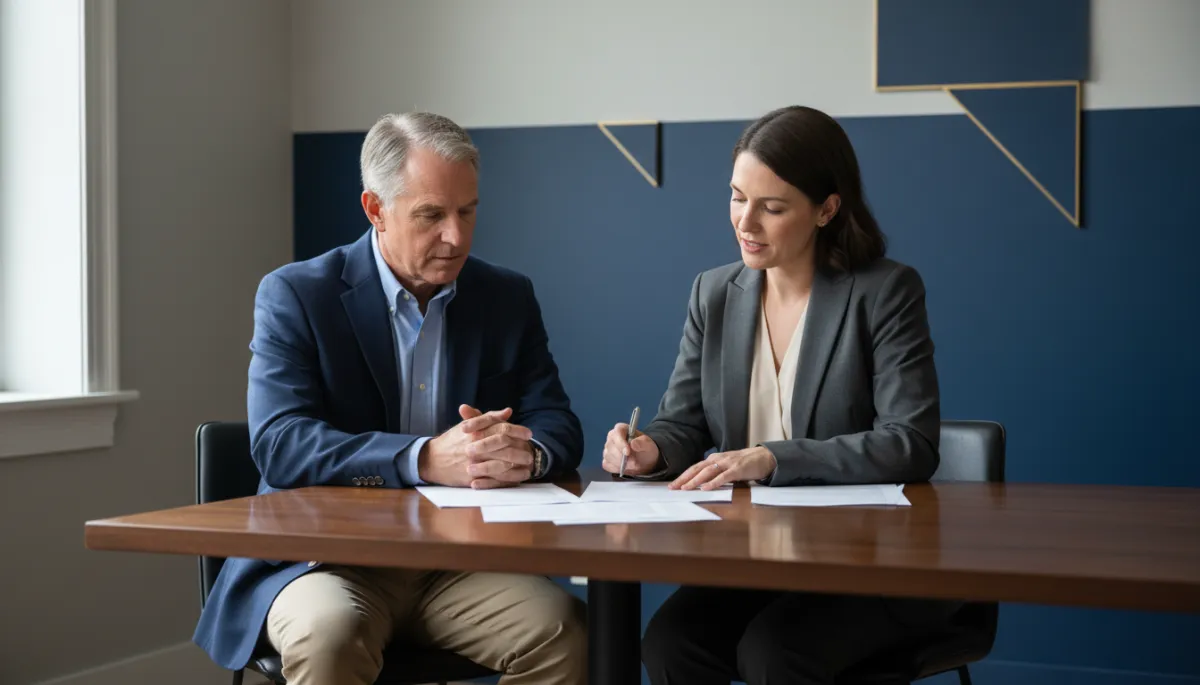
A clear conversation with your counselor shapes an effective VR&E rehabilitation plan.
Step 4: Complete Vocational Testing and Career Exploration
Depending on your situation, your Vocational Rehabilitation Counselor may recommend additional testing or assessments as part of the VR&E benefits process. These evaluations are designed to help identify your strengths, interests, and potential barriers to employment. They may include:
Aptitude and interest inventories to explore career fields that align with your abilities and preferences.
Academic assessments to determine your readiness for college-level or technical training programs.
Functional evaluations that consider how your disabilities affect your daily activities and work-related tasks.
This stage of the step-by-step guide can feel time-consuming, but it is an essential part of vocational rehabilitation. The more accurate and detailed the picture of your abilities and challenges, the better your counselor can help you choose a career path and services that are sustainable in the long term. View these assessments as tools that empower you to make informed decisions rather than hurdles in the benefits application process.
📌 Key Takeaway: There is no “perfect” career choice. VR&E benefits are designed to support realistic, suitable employment that fits your circumstances—not a one-size-fits-all solution.
Step 5: Work with Your Counselor to Develop a Rehabilitation Plan
Once your evaluations are complete and you and your counselor have a clear understanding of your goals, the next part of the VR&E benefits process is creating a formal rehabilitation plan. This plan is a written agreement between you and Veterans Affairs that outlines:
Your long-term employment or independent living goal (for example, “obtain and maintain employment as an information technology specialist”).
The specific services VR&E will provide, such as tuition assistance, books and supplies, counseling, or job placement support.
The timeline and milestones for completing your training or other rehabilitation activities.
This plan is central to your vocational rehabilitation journey. It translates your VR&E benefits into concrete actions and expectations. Take the time to review it carefully, ask questions, and ensure you fully understand what is required of you. Remember that you are an active participant in this process; your input matters. If certain requirements seem unrealistic given your health or family situation, discuss them openly with your counselor so adjustments can be made before you finalize the plan.
Step 6: Use Your VR&E Benefits for Education, Training, or Job Placement
Once your rehabilitation plan is approved, you will begin using your VR&E benefits in practical ways. For many veterans, this means enrolling in a college or technical program, starting an apprenticeship, or entering an on-the-job training arrangement. Others may work directly with job placement specialists to secure employment that matches their plan. Throughout this phase of vocational rehabilitation, it is important to:
Maintain regular communication with your Vocational Rehabilitation Counselor, especially if you encounter challenges or changes in your circumstances.
Keep track of your academic progress, grades, or job performance, and share this information with your counselor as requested.
Use available support services, such as tutoring, disability services at your school, or workplace accommodations, to help you succeed.
The benefits application process does not end once you are approved; it evolves into an ongoing partnership focused on your success. If you find that your original goal is no longer appropriate—for example, due to changes in your health—you may be able to work with Veterans Affairs to adjust your plan. The key is to communicate early and often so your VR&E benefits continue to align with your real-world needs.
Step 7: Transition to Employment and Ongoing Support
As you complete your training or rehabilitation activities, the focus of your VR&E benefits will shift toward securing and maintaining employment. This transition phase is where the earlier work in your step-by-step guide pays off. Your counselor and other Veterans Affairs staff may assist you with:
Refining your resume to highlight your new skills, certifications, or degrees obtained through vocational rehabilitation.
Preparing for interviews and discussing how to talk about your military experience and disabilities in a professional context.
Coordinating with employers to arrange reasonable accommodations or workplace modifications, when needed, to support your success on the job.
Even after you obtain employment, VR&E may continue to offer support for a period of time to help you stabilize in your role. This can include follow-up counseling, problem-solving assistance, or additional services if new challenges arise. The program’s ultimate goal is not just to help you find a job, but to help you achieve sustainable, meaningful employment that respects your service and your health.
Common Questions About the VR&E Benefits Application Process
How Long Does It Take to Apply for VR&E Benefits?
Timelines can vary based on your location, the volume of applications, and your individual circumstances. Completing the initial application may only take an hour or two if you have your documents ready. However, scheduling and attending your orientation, evaluations, and planning sessions can take several weeks or longer. While the process requires patience, staying organized and responsive to Veterans Affairs communications will help keep things moving forward.
Can I Use VR&E Benefits and the GI Bill at the Same Time?
In some cases, veterans may be eligible for both VR&E and GI Bill benefits. However, how these programs interact can be complex, and rules may change. Your Vocational Rehabilitation Counselor can explain the current policies and help you understand which combination of benefits best supports your vocational rehabilitation plan. It is important to discuss this question early in the planning process so you can make informed decisions about your education and training options.
What If My Application for VR&E Benefits Is Denied?
If Veterans Affairs determines that you are not eligible for VR&E benefits, or if you disagree with the decision regarding your employment handicap, you generally have the right to appeal. Carefully review the decision letter to understand the reasons for the denial, and consider reaching out to a Veterans Service Organization or accredited representative for assistance. They can help you gather additional evidence, clarify misunderstandings, and navigate the appeals process professionally and effectively.
Practical Tips for a Smooth VR&E Benefits Application Experience
Beyond the formal steps of this guide, there are several practical strategies that can make it easier to apply for VR&E benefits and stay on track throughout your vocational rehabilitation journey:
Keep copies of everything. Save digital or paper copies of your application, correspondence with Veterans Affairs, and any documents you submit. This record can be invaluable if questions arise later in the benefits application process.
Respond promptly to VA communications. Whether you receive letters, emails, or phone calls, timely responses help prevent delays and demonstrate your commitment to the program.
Be honest about your limitations. It can be tempting to downplay symptoms or challenges, but accurate information is essential for designing a realistic vocational rehabilitation plan that truly supports you.
Use support networks. Family members, fellow veterans, and VSOs can provide encouragement, help with paperwork, and share their own experiences with VR&E benefits and other Veterans Affairs programs.
Bringing It All Together: Your Path Through Vocational Rehabilitation
Applying for VR&E benefits can feel like a significant undertaking, but when you break it down into clear steps, the process becomes manageable. You begin by understanding what VR&E benefits are and confirming your eligibility. You then gather essential information, complete your application with Veterans Affairs, and participate in orientation and evaluations that shape your vocational rehabilitation plan. From there, you put that plan into action through education, training, or job placement, using your VR&E benefits to build a sustainable, meaningful future in civilian life.
Throughout this step-by-step guide, one theme stands out: you are not alone in this process. VR&E is designed as a partnership between you and Veterans Affairs, with counselors and support staff dedicated to helping you succeed. By approaching the benefits application process with preparation, honesty, and persistence, you give yourself the best possible chance to secure the services you have earned through your service and sacrifice.
If you are considering whether to apply for benefits through VR&E, remember that taking the first step does not commit you to a specific career path or training program. Instead, it opens the door to information, guidance, and resources tailored to your unique situation. Whether your goal is to return to work in a familiar field, start a new career, or improve your independence at home, vocational rehabilitation can be a powerful tool in shaping the next chapter of your life.
💡 Final Thought: You have already navigated demanding challenges in service to your country. Approaching the VR&E benefits application process with the same determination—and with the support of Veterans Affairs professionals—can help you build a future that honors both your experience and your potential.