

Best Diet for Veterans: Boost Energy & Mental Clarity
Health, Veterans Diet, Nutrition For Veterans
Best Diet for Veterans: Weight Loss, Energy, and Mental Clarity
Life after service can look very different from your days in uniform, and your body feels those changes too. The right Veterans Diet can help you lose extra weight, boost your energy, and sharpen your mental clarity so you can feel strong and focused in this next chapter of life. This guide walks you through practical, realistic Nutrition For Veterans that fits real schedules, real budgets, and real challenges.
Why Veterans Need a Different Approach to Healthy Eating
A lot of generic diet advice ignores what many veterans actually live with: disrupted sleep, old injuries, chronic pain, PTSD, busy family life, and sometimes a tough transition to civilian work. A truly helpful Veterans Diet respects all of that. It is not about perfection or punishment. It is about steady, sustainable choices that support Weight Loss, stable Energy, and better Mental Clarity without making you feel deprived or overwhelmed.
During service, you might have eaten whatever was available, whenever it was available. After service, routines change, activity levels shift, and metabolism slows a bit with age. That combination can lead to extra pounds, afternoon crashes, and brain fog. The good news is that a few targeted changes in Healthy Eating can make a big difference in how you feel day to day.
💡 Friendly Reminder: You do not need a “perfect” meal plan to see results. Small, consistent upgrades to your Nutrition For Veterans can create powerful long-term change.
The Core Goals of a Smart Veterans Diet
When you think about the “best” diet for veterans, it helps to define what “best” means. For most veterans, three goals rise to the top:
Healthy Weight Loss: Losing extra body fat without losing muscle, strength, or sanity.
Stable, Lasting Energy: Avoiding the roller coaster of sugar highs and caffeine crashes so you can stay productive and present all day.
Mental Clarity and Mood Support: Reducing brain fog, improving focus, and supporting emotional balance, especially if you live with stress, anxiety, or depression.
The best Veterans Diet is not a fad. It is a pattern of Healthy Eating built around whole foods, steady blood sugar, and enough protein, fiber, and healthy fats to keep you satisfied. It also respects cultural foods, family traditions, and your personal preferences so you actually want to stick with it.
Building Blocks of Nutrition For Veterans
1. Protein: Your Ally for Weight Loss and Recovery
Protein is the backbone of a strong Veterans Diet. It helps maintain muscle, supports healing from old injuries, and keeps you full longer, which is essential for Weight Loss. Many veterans also find that higher-protein meals reduce cravings for late-night snacks and sugary foods that drain Energy and Mental Clarity the next day.
Good sources: Chicken, turkey, fish, eggs, Greek yogurt, cottage cheese, lean beef, beans, lentils, tofu, and tempeh.
Practical tip: Aim for a palm-sized portion of protein at each meal and include a smaller portion at snacks when you can.
2. Smart Carbs: Steady Fuel for Energy and Mental Clarity
Carbohydrates are not the enemy. The type and timing of carbs matter more than anything. Refined carbs, like white bread, sugary cereal, and pastries, spike blood sugar and then crash it, leaving you tired and foggy. For better Energy Foods and Mental Clarity, focus on slow-digesting carbs that come packaged with fiber and nutrients.
Choose more: Oats, quinoa, brown rice, sweet potatoes, beans, lentils, and whole-grain breads or tortillas.
Choose less: Sugary drinks, candy, white bread, pastries, and ultra-processed snack foods.
💡 Friendly Tip: If you love bread or pasta, you do not have to cut them out completely. Try swapping half your usual portion for a side salad, steamed veggies, or beans to keep your Veterans Diet balanced.
3. Healthy Fats: Support for Brain, Joints, and Hormones
Healthy fats are crucial for brain function, hormone balance, and joint comfort. For veterans dealing with inflammation, aches, or low mood, the right fats can be powerful allies. Omega-3 fats, in particular, support Mental Clarity and may help with mood and focus over time.
Healthy sources: Salmon, sardines, mackerel, walnuts, chia seeds, flaxseeds, avocado, olives, and olive oil.
Use wisely: Fats are calorie-dense, so a small handful of nuts or a tablespoon of olive oil goes a long way for both flavor and nutrition.
4. Vegetables and Fruits: Nature’s Energy Foods and Brain Boosters
Colorful fruits and vegetables deliver vitamins, minerals, antioxidants, and fiber that support your immune system, digestion, and brain health. They are some of the best Energy Foods because they help your body turn food into usable fuel efficiently, without the crash that comes from sugary snacks or drinks.
Aim for at least 3 servings of vegetables and 2 servings of fruit most days.
Include dark leafy greens, berries, oranges, carrots, bell peppers, and cruciferous vegetables like broccoli or cauliflower for a wide range of nutrients that support Mental Clarity and overall health.
Weight Loss for Veterans: Realistic, Sustainable Strategies
Healthy Weight Loss for veterans is less about strict dieting and more about consistent, manageable changes in your Veterans Diet. Extreme plans that cut entire food groups or slash calories may work short term, but they are tough to sustain and can leave you exhausted and irritable. A better approach focuses on gentle calorie reduction, portion awareness, and high-satisfaction foods so you can stay the course without feeling miserable.
Step 1: Build a Balanced Plate
An easy visual tool for Nutrition For Veterans is the “balanced plate” method. At most meals, aim for:
Half your plate: Non-starchy vegetables (salad, broccoli, green beans, peppers, zucchini, etc.).
One-quarter: Lean protein (chicken, fish, beans, tofu, eggs).
One-quarter: Smart carbs (brown rice, quinoa, whole-grain pasta, sweet potatoes).
This simple structure supports Weight Loss, keeps blood sugar steady, and delivers steady Energy to fuel your day. It also leaves room for healthy fats like olive oil, avocado, or a sprinkle of nuts for flavor and satisfaction.
Step 2: Tame Liquid Calories and Hidden Sugar
Many veterans are surprised at how much sugar and extra calories sneak in through drinks and condiments. Sodas, energy drinks, sweet tea, flavored coffee drinks, and even some “sports drinks” can easily stall Weight Loss and contribute to Energy crashes and brain fog later in the day.
Try replacing one sugary drink a day with water, unsweetened iced tea, or sparkling water with a splash of fruit juice or lemon.
Watch out for sugary sauces and dressings. Choose mustard, salsa, olive oil, vinegar, or yogurt-based dressings more often.
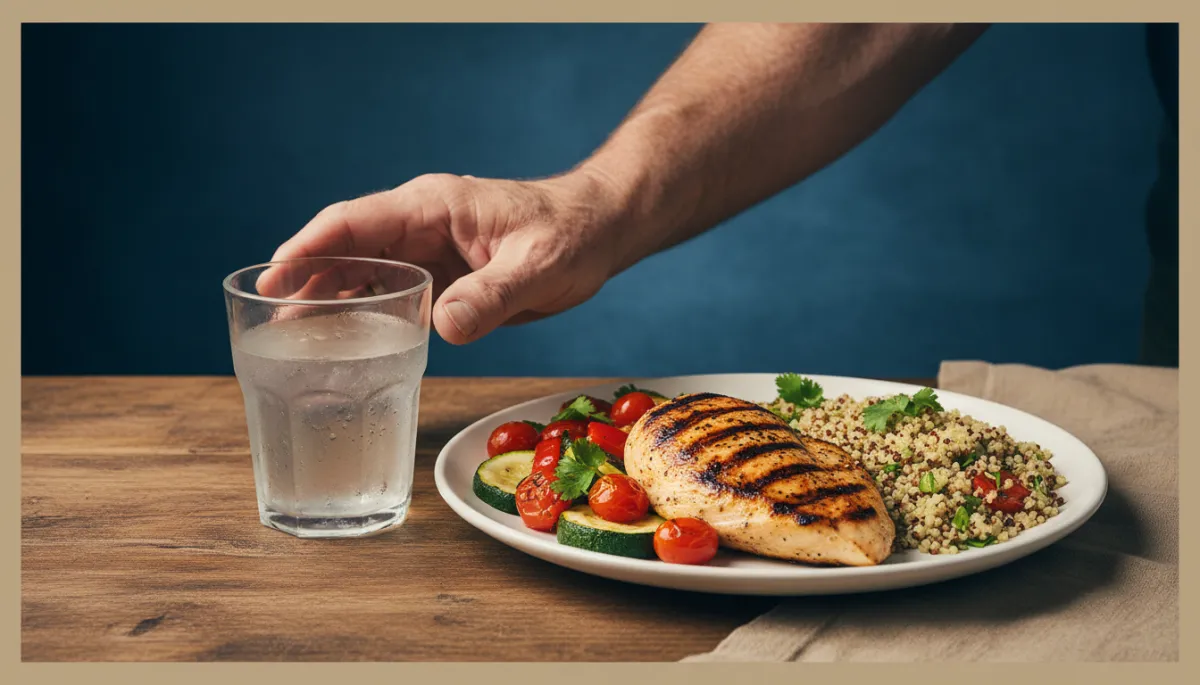
Simple swaps like water and balanced plates can quietly transform daily energy and focus.
Step 3: Plan for Real Life, Not a Perfect Life
Realistic Healthy Eating for veterans has to fit around work shifts, family responsibilities, appointments, and sometimes unpredictable days. Instead of aiming for flawless meals, focus on being “better, not perfect.”
Keep quick options on hand: pre-washed salad greens, frozen vegetables, canned beans, rotisserie chicken, and microwavable brown rice can save you on busy nights.
If you eat out, look for grilled instead of fried, ask for sauces on the side, and choose water or unsweetened tea instead of soda.
💡 Friendly Perspective: One fast-food meal does not ruin your Veterans Diet. What matters is what you do most of the time, not once in a while.
Energy Foods for Veterans: Beating Fatigue and Afternoon Slumps
Many veterans struggle with low Energy, especially if they have chronic pain, sleep apnea, PTSD, or long work hours. While no diet can fix everything, the right Energy Foods can help you feel more alert and stable throughout the day. The goal is to avoid big spikes and crashes in blood sugar and to give your body steady fuel in manageable portions.
Top Energy Foods to Include Often
Oatmeal with nuts and berries: Great for breakfast, offers fiber, protein, and healthy fats to keep you full and focused for hours.
Greek yogurt with fruit: A quick snack or light meal that supports both gut health and Mental Clarity.
Hard-boiled eggs and a piece of fruit: Simple, portable, and perfect for busy days or long drives.
Hummus with carrots or whole-grain crackers: Combines carbs, protein, and healthy fat for steady Energy instead of a quick spike.
Caffeine: Helpful Tool or Hidden Problem?
Many veterans rely on coffee or energy drinks to get through the day. A moderate amount of caffeine can improve alertness and Mental Clarity, but too much can backfire, especially if you deal with anxiety, insomnia, or heart issues. It can also mask fatigue instead of addressing the real causes, like poor sleep, dehydration, or unbalanced meals in your Veterans Diet.
Try to keep caffeine earlier in the day and avoid it within 6 hours of bedtime to protect your sleep quality.
Consider switching one energy drink a day to black coffee or green tea, which usually have less sugar and fewer additives.
Eating for Mental Clarity: Food and Mood for Veterans
Mental Clarity is not just about being able to focus on a task. It is also about feeling emotionally steady, less reactive, and more in control of your day. For veterans, especially those managing PTSD, depression, or anxiety, Nutrition For Veterans can be a powerful tool alongside therapy, medication, and other supports. While food is not a cure, it can either support or sabotage your brain’s ability to function at its best.
Foods That Support Brain Health and Focus
Fatty fish: Salmon, sardines, and mackerel provide omega-3 fats that support brain structure and function, which can help with Mental Clarity over time.
Berries: Blueberries, strawberries, and blackberries are rich in antioxidants that may protect the brain from stress and aging.
Leafy greens: Spinach, kale, and collard greens provide folate and other nutrients linked to better mood and cognitive health.
Nuts and seeds: Walnuts, pumpkin seeds, and sunflower seeds offer healthy fats, zinc, and magnesium, which play roles in mood and focus.
Blood Sugar and Brain Fog
Sudden drops in blood sugar can leave you feeling shaky, irritable, and foggy. Veterans who skip meals, live on coffee, or rely heavily on sugary snacks may notice big swings in how they feel mentally throughout the day. A steady Veterans Diet with regular meals and snacks that combine protein, fiber, and healthy fats can smooth out those swings and support more consistent Mental Clarity.
💡 Gentle Strategy: Try not to go more than 4–5 waking hours without eating something nourishing. Even a small snack with protein and fiber can help your brain stay on track.
Sample One-Day Veterans Diet for Weight Loss, Energy, and Clarity
To bring all these ideas together, here is an example of a simple, realistic day of Healthy Eating focused on Weight Loss, Energy Foods, and Mental Clarity. You can adjust portions and foods based on your body size, activity level, and preferences.
Breakfast
Oatmeal cooked with milk or a fortified milk alternative, topped with a handful of berries and a tablespoon of chopped nuts.
Black coffee or tea, or water.
Mid-Morning Snack (if needed)
A small apple and a string cheese, or a hard-boiled egg.
Lunch
Grilled chicken or baked fish, a large side of mixed vegetables, and a serving of brown rice or quinoa.
Water or unsweetened iced tea.
Afternoon Snack
Greek yogurt with a few sliced almonds, or hummus with carrot sticks.
Dinner
Turkey or bean chili loaded with vegetables, served with a small portion of brown rice or a piece of whole-grain cornbread.
Evening (if hungry)
A small bowl of berries or a banana, possibly with a spoonful of peanut butter for staying power.
This style of Veterans Diet provides balanced Nutrition For Veterans, supports gentle Weight Loss, and offers steady Energy and Mental Clarity. It is flexible enough to swap in your favorite proteins, vegetables, and grains while keeping the same overall structure.
Overcoming Common Roadblocks for Veterans
Pain, Mobility Limits, and Emotional Eating
Old injuries, chronic pain, or limited mobility can make it harder to stay active, which affects Weight Loss. Emotional eating can also show up as a way to cope with stress, memories, or difficult days. A friendly approach to Healthy Eating for veterans acknowledges these realities instead of ignoring them or blaming you for them.
Focus on what you can control: your food choices, portions, and meal timing, even if your activity is limited right now.
Notice patterns: if you tend to snack late at night when stress is high, try planning a satisfying evening snack as part of your Veterans Diet instead of fighting it with willpower alone.
Budget and Access Challenges
Healthy Eating does not have to mean expensive specialty foods or fancy supplements. Many of the best Nutrition For Veterans choices are budget-friendly staples you can find at any grocery store, or even at many dollar stores and discount markets.
Choose frozen vegetables and fruits; they are often cheaper and just as nutritious as fresh, and they last longer.
Buy beans, lentils, oats, and brown rice in bulk when possible for low-cost, high-nutrition Energy Foods.
💡 Helpful Note: Many VA facilities and community organizations offer nutrition counseling or group classes. Reaching out for support is a sign of strength, not weakness.
Putting It All Together: Your Next Steps
The best diet for veterans is not about chasing perfection or following a strict set of rules. It is about choosing a Veterans Diet that supports your goals for Weight Loss, stable Energy, and sharp Mental Clarity while honoring your history, your preferences, and your current reality. Small, steady improvements in Nutrition For Veterans can pay off in more comfortable joints, better sleep, fewer afternoon crashes, and a clearer, more focused mind.
You do not have to change everything at once. You might start by adding one serving of vegetables each day, swapping one sugary drink for water, or building one balanced plate at either lunch or dinner. As these changes become habits, you can build on them, step by step. Over time, your Veterans Diet becomes a quiet but powerful ally, supporting your health, your mood, and your ability to show up fully for the people and missions that matter most to you now.
Your service demanded discipline, resilience, and commitment. Those same strengths can now support you in creating a pattern of Healthy Eating that truly fits your life. Think of it as fueling your next mission—one that is all about you feeling stronger, lighter, clearer, and more energized in the years ahead.