
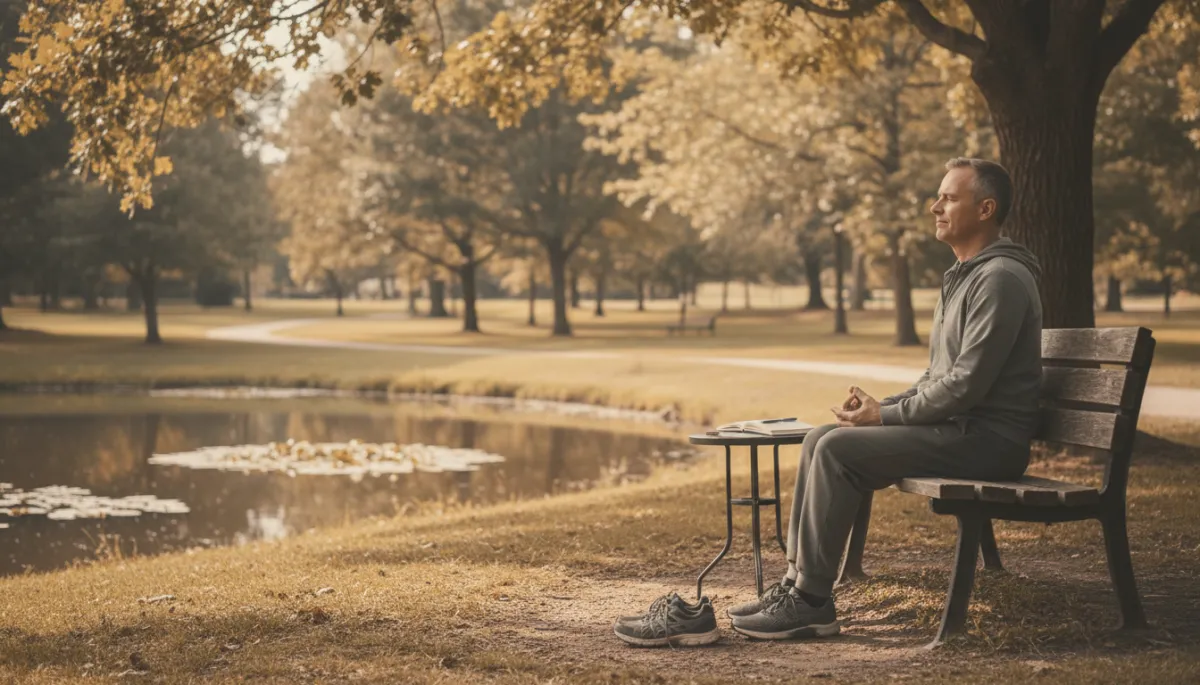
Daily Habits to Boost Veterans' Mental Health
Mental Health, Veterans Wellness, Daily Habits, Stress Relief, Mindfulness Techniques, Self-care For Veterans
Simple Daily Habits That Improve Mental Health for Veterans
Life after military service can feel like a whole new mission. The good news is that you do not have to overhaul your entire life to support better mental health. Small, simple daily habits can gently strengthen Veterans wellness, ease stress, and help you feel more grounded and in control—one day at a time.
Why Simple Daily Habits Matter for Veterans’ Mental Health
After service, many Veterans describe feeling like they have been dropped into a different world. Routines change, support systems shift, and the sense of clear mission can fade. In the middle of all that, mental health challenges—like anxiety, depression, hypervigilance, or trouble sleeping—can quietly build up. It is easy to feel like you should “tough it out” or that you are supposed to handle everything on your own.
The truth is, mental health is not about being weak or strong. It is about how your brain and body respond to stress, memories, and everyday life. Just as physical fitness improves with regular training, Veterans wellness improves when you practice small, consistent daily habits that support your mind and nervous system. You do not need an hour-long routine or fancy tools. A few minutes a day, practiced regularly, can make a real difference over time.
📌 Key Takeaway: You already know how to build strength through repetition. The same idea works for stress relief and mental health—small actions, repeated daily, slowly build resilience.
1. Start the Day with a Grounding Morning Check-In
How you start your morning can set the tone for the rest of the day. Many Veterans wake up already on edge—heart racing, mind spinning, or replaying old memories. A short grounding routine helps signal to your brain, “I am safe right now,” and can reduce that surge of stress before it takes over the day.
A 3-Minute Morning Habit for Veterans Wellness
Step 1: Notice your body. Before you even get out of bed, feel where your body touches the mattress. Notice your feet, back, and hands. This simple awareness pulls your attention away from racing thoughts and back into the present moment.
Step 2: Take five slow breaths. Inhale through your nose for a count of four, hold for four, then exhale slowly for six. This is a gentle mindfulness technique that calms your nervous system and supports stress relief right away.
Step 3: Set one simple intention. Ask yourself, “What is one small thing I can do today that supports my mental health?” It could be taking a short walk, calling a buddy, or going to bed 30 minutes earlier. Keep it realistic and doable.
💡 Pro Tip: If your mornings feel rushed, do this check-in while you are sitting on the edge of the bed or drinking your first cup of coffee. It still counts.
2. Use Simple Mindfulness Techniques Throughout the Day
Mindfulness can sound a bit abstract, but at its core, it just means paying attention to what is happening right now, without judging yourself for it. For many Veterans, the mind tends to jump to the past or scan for threats in the future. Mindfulness techniques gently bring you back to the present, which can lower anxiety and help you feel more in control of your reactions.
The 5-4-3-2-1 Grounding Exercise for Stress Relief
When anxiety spikes or you feel overwhelmed, this quick exercise can help bring your mind back to the here and now:
Name 5 things you can see around you (a window, your hands, a photo).
Name 4 things you can feel (your feet on the floor, your shirt on your skin).
Name 3 things you can hear (a fan, cars outside, birds).
Name 2 things you can smell (coffee, soap, the air).
Name 1 thing you can taste (gum, water, toothpaste).
This grounding practice is a powerful stress relief tool and one of the most accessible mindfulness techniques for Veterans. You can do it quietly in a waiting room, at work, or even while sitting in your car before going into a store or appointment.
📌 Key Takeaway: Mindfulness does not have to mean sitting in silence for 30 minutes. Short, practical exercises like this can fit into your everyday life and still support strong mental health.
3. Move Your Body in Ways That Feel Doable (Not Punishing)
Physical movement is one of the most effective, natural tools for improving mental health. It helps your body process adrenaline and tension, improves sleep, and boosts mood-boosting chemicals like serotonin and endorphins. But after leaving the structure of military training, it can be hard to find a routine that feels realistic and kind to your body, especially if you are dealing with injuries or chronic pain.
Small, Consistent Movement Habits for Veterans Wellness
Take a 10-minute walk. Around the block, at a park, or even laps in your home or hallway. If 10 minutes feels like too much, start with 5. The goal is consistency, not perfection.
Do gentle stretches once a day. Roll your shoulders, stretch your neck, and slowly twist your torso side to side. This can release stored tension and help your body relax, which supports stress relief.
Try chair exercises. If mobility is limited, seated leg lifts, ankle circles, or light arm movements can still help your nervous system reset and support Veterans wellness.
💡 Pro Tip: Pair movement with something you enjoy, like your favorite music or a podcast. This makes the habit easier to stick with and turns it into a form of self-care for Veterans, not another chore.
4. Create a Simple Sleep Routine to Calm a Busy Mind
Many Veterans struggle with sleep—trouble falling asleep, waking up often, or waking from intense dreams. Poor sleep can make anxiety, irritability, and depression worse, creating a cycle that is hard to break. The goal is not perfect sleep overnight, but to build daily habits that tell your body it is safe enough to rest.
A Calming 20-Minute Wind-Down Routine
Turn down the lights. About 30–60 minutes before bed, dim lights and lower noise if possible. This helps your brain produce melatonin, the hormone that supports sleep and mental health recovery overnight.
Limit intense screens. News, social media, and high-action shows can ramp up your nervous system. If you use your phone, try calming music, a simple game, or a guided relaxation audio instead of stressful content.
Practice a breathing or body-scan exercise. Lying in bed, slowly notice each part of your body from your toes to your head, and imagine tension draining away. This is another gentle mindfulness technique that can support Veterans wellness.
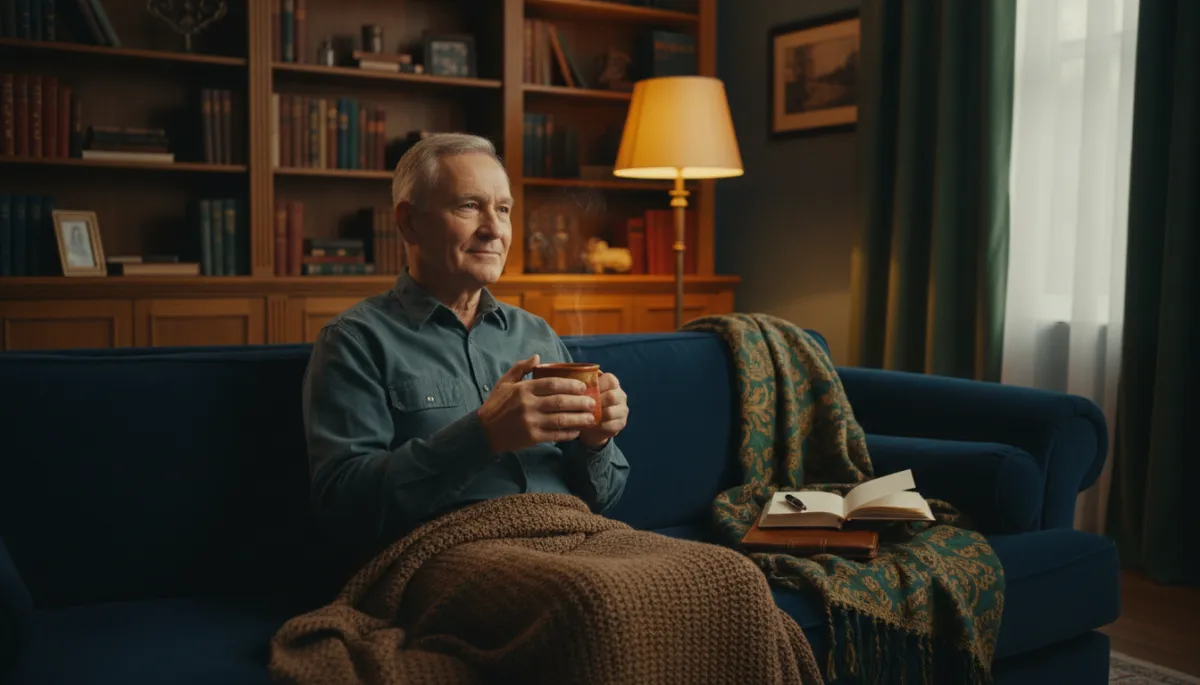
A simple nightly wind-down routine can gently train the brain to feel safer at bedtime.
5. Practice Self-Care for Veterans Without Guilt or Shame
Many Veterans were trained to put the mission and the team first, often at the expense of their own needs. After service, that mindset can make it hard to see self-care for Veterans as anything other than “selfish” or “weak.” In reality, taking care of your mental health is an act of strength and responsibility—to yourself, and to the people who care about you.
Everyday Self-Care Habits That Actually Fit Real Life
Hydrate regularly. It sounds basic, but drinking enough water throughout the day supports your brain, mood, and energy levels. Keep a bottle nearby and take sips during breaks or transitions.
Eat steady, simple meals. You do not need a perfect diet. Just try not to skip meals, and aim for some protein and fiber (like eggs, beans, nuts, or whole grains) to keep your blood sugar—and mood—more stable.
Schedule “off-duty” moments. Even 10–15 minutes where you are not solving problems for anyone else can be powerful. Use this time to read, sit outside, listen to music, or simply breathe. Treat it like an appointment with yourself.
💡 Pro Tip: If you feel guilty resting, remind yourself: you performed better on duty when you were rested and focused. The same is true now—self-care supports your ability to show up for others.
6. Stay Connected: Relationships as a Daily Wellness Habit
Isolation is one of the biggest threats to Veterans wellness. It is easy to pull back when you feel misunderstood, overwhelmed, or tired of answering questions about your service. But human connection is a powerful protector for mental health, even if it is just a few minutes of contact each day.
Simple Ways to Build Connection into Your Daily Habits
Send one message a day. Text a fellow Veteran, a family member, or a friend. It can be as simple as, “Thinking of you—how are you doing today?”
Join a group or activity. Many communities and VA centers offer support groups, hobby clubs, or fitness classes specifically for Veterans. Being around people who “get it” can ease stress and reduce feelings of isolation.
Share honestly with someone you trust. You do not have to share everything, but letting one trusted person know when you are having a tough day can be a powerful form of self-care for Veterans.
📌 Key Takeaway: Connection does not have to be deep conversations every day. Short, consistent contact—like a text, call, or brief chat—can still support your mental health in meaningful ways.
7. Use Journaling and Reflection to Track Your Mental Health
Your mind holds a lot—memories, worries, to-do lists, and unspoken feelings. Writing some of that down can help you process emotions, notice patterns, and recognize small wins you might otherwise overlook. You do not have to be a “writer” to benefit from journaling. Think of it as a private debrief with yourself at the end of the day.
A 5-Minute Evening Journal for Veterans Wellness
Question 1: “What went okay today?” Not perfect—just okay or better than expected. This helps your brain notice positives, which supports mental health over time.
Question 2: “What felt hard?” Naming challenges on paper can make them feel more manageable and less like a heavy cloud hanging over you.
Question 3: “What is one thing I can try tomorrow?” This keeps your focus on small, doable steps instead of getting stuck in frustration or hopelessness.
💡 Pro Tip: If writing is not your thing, try using a voice note app to answer these questions out loud. The goal is reflection, not perfect sentences.
8. Build a Personal “Stress Relief Toolkit”
Stress is part of life, but for many Veterans, the stress response can be intense and quick to activate. Instead of waiting until you are overwhelmed, it helps to build a personal stress relief toolkit—simple strategies and items you can turn to when your mind and body start to feel overloaded.
Ideas for Your Stress Relief Toolkit
A small object to hold (like a smooth stone, coin, or dog tag) to help ground you using touch.
A short playlist of calming songs or sounds that help you slow down your breathing.
A list of three people you can call or text when you feel yourself spiraling.
One or two written reminders of mindfulness techniques, like the 5-4-3-2-1 exercise or slow breathing counts, that you can use anywhere.
📌 Key Takeaway: Your stress relief toolkit is personal. Start with two or three tools that feel natural to you and add more over time as you discover what helps.
9. Know When to Reach Out for Extra Support
Simple daily habits can make a big difference, but they are not meant to replace professional support when you need it. Just as you would see a doctor for a serious physical injury, it is important to reach out if your mental health symptoms feel heavy, persistent, or dangerous. Asking for help is not a failure—it is a sign that you value your life and your future.
If you notice thoughts of self-harm or suicide, reach out right away—call 988 and press 1 for the Veterans Crisis Line, or use chat and text options if that feels easier.
If your sleep, mood, or anxiety are making it hard to work, connect, or manage daily life, consider talking with a mental health professional through the VA or a local clinic.
Peer support groups with other Veterans can also be a powerful way to share strategies, feel understood, and support Veterans wellness together.
💡 Pro Tip: You do not have to wait until things get “bad enough” to ask for help. Mental health support can be preventative, just like regular checkups for your physical health.
10. Putting It All Together: A Sample Day of Simple Habits
It can feel overwhelming to read a long list of ideas and wonder how they fit into real life. To make things easier, here is an example of how a day might look when you weave in just a few of these simple habits. You can adjust the timing and activities to fit your own schedule, energy, and abilities.
Morning (5–10 minutes): Do a quick body check-in in bed, take five slow breaths, and set one small intention for your day that supports your mental health.
Late Morning or Lunch: Take a short walk or do gentle stretches, even if it is only for 5–10 minutes. Drink some water and eat a simple, steady meal or snack.
Afternoon: If stress spikes, use your 5-4-3-2-1 grounding exercise or another mindfulness technique from your stress relief toolkit. Send a quick message to a friend or fellow Veteran to stay connected.
Evening: Spend a few minutes on a hobby, music, or quiet time that feels like self-care for Veterans, not a task. Limit intense news or screens before bed if you can.
Night: Do a 5-minute journal or voice note reflection and a short body-scan or breathing exercise to help your nervous system wind down for sleep.
None of these steps are complicated, and you do not have to do them all at once. Even choosing two or three to start with can begin to shift how you feel over time. The key is consistency and kindness toward yourself as you experiment with what works best for you.
Final Thoughts: You Deserve Supportive Habits and a Calmer Mind
Your service required discipline, courage, and sacrifice. Life after service asks for a different kind of strength—the willingness to care for yourself, to listen to your mind and body, and to build a life that supports your well-being. Simple daily habits like mindful breathing, gentle movement, consistent sleep routines, and honest connection are not small things. Over time, they become the foundation of stronger mental health and lasting Veterans wellness.
If you are a Veteran reading this, know that you are not alone. Many others are walking a similar path, learning new mindfulness techniques, building personal stress relief toolkits, and redefining what self-care for Veterans looks like in their own lives. You do not have to get it perfect, and you do not have to do it all today. Just choose one simple habit to start with, and give yourself credit for every step you take.
You have already faced hard things and made it this far. You deserve daily habits that support your peace, your energy, and your future. One small action at a time, you can build a life that feels safer, calmer, and more your own.