
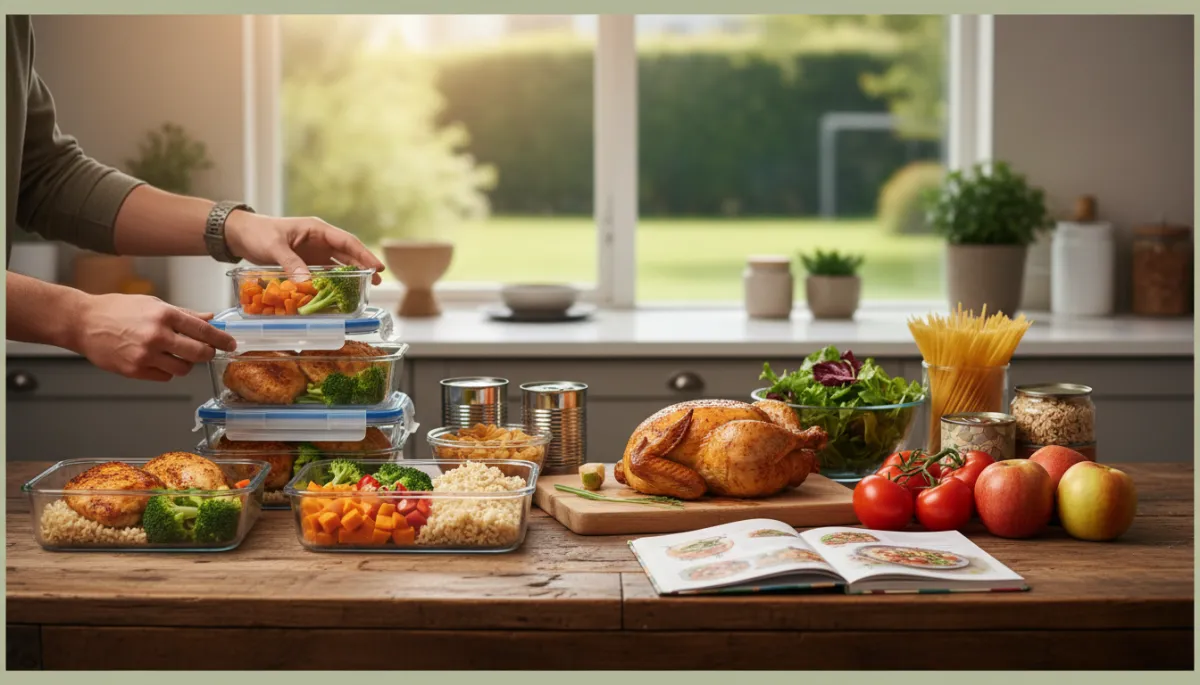
Meal Prep for Veterans: Healthy and Affordable Meals
Meal Prep, Veteran Nutrition, Healthy Recipes, Affordable Meals, Easy Meal Planning, Veteran Health
Meal Prep for Veterans: Easy, Affordable, and Healthy
If you are a veteran juggling work, family, appointments, and everyday responsibilities, eating well can feel like just one more mission on an already full plate. The good news is that with a bit of simple meal prep and easy meal planning, you can enjoy healthy, affordable meals all week long without spending hours in the kitchen or blowing your budget. This guide is designed specifically with veteran health in mind, offering practical tips, realistic routines, and veteran-friendly healthy recipes you can actually stick with.
Why Meal Prep Matters for Veteran Health
After military service, life can look very different—new routines, new responsibilities, and sometimes new health challenges. Many veterans manage chronic conditions, pain, stress, or sleep issues, all of which can be influenced by what and how you eat. Veteran nutrition is not about perfection or strict dieting; it is about giving your body the fuel it needs to support your next chapter in life, whether that is school, work, parenting, or retirement.
Meal prep is a powerful tool because it takes the guesswork out of daily eating. Instead of wondering, “What’s for dinner?” at 7 p.m. when you are tired and hungry, you have healthy recipes already cooked or partially prepared. That means fewer drive-thru runs, less skipped meals, and more control over your energy, mood, and long-term veteran health.
💡 Pro Tip: Think of meal prep as planning your fuel for the week, the same way you would plan gear or supplies before a mission. A little preparation up front makes the whole week smoother.
Setting Realistic Goals for Meal Prep (No Perfection Required)
One reason many people avoid meal prep is that it sounds overwhelming—like you need to cook every single meal for the entire week in one marathon session. In reality, easy meal planning can be as simple as prepping a few key items that make your life easier, such as:
Cooking a big batch of protein (chicken, ground turkey, beans) to use in multiple dishes
Washing and chopping vegetables so they are ready to grab and cook or snack on
Portioning out snacks like nuts, yogurt, or cut fruit into grab-and-go containers
Preparing just lunches or just dinners, instead of trying to cover every meal
Start small. If you are new to meal prep, choose one meal—say, lunch—and focus on making that easier and healthier for the week. Once that feels comfortable, you can expand to breakfasts or dinners. The goal is a routine that fits your life, not a rigid plan that adds stress.
Building Blocks of Veteran Nutrition: What Your Body Needs
You do not need to count every calorie or memorize complex nutrition charts to support strong veteran health. Focusing on a few basics can go a long way. When you plan your meals, try to build them around three main components: protein, fiber-rich carbohydrates, and healthy fats, plus some color from fruits and vegetables.
Protein: Helps maintain muscle, supports recovery, and keeps you full longer. Good options include chicken, turkey, eggs, fish, Greek yogurt, beans, lentils, and tofu.
Fiber-rich carbs: Provide steady energy instead of quick crashes. Look for oats, brown rice, quinoa, whole-wheat pasta, potatoes with skin, and beans.
Healthy fats: Support brain and heart health and help you feel satisfied. Great sources are olive oil, avocado, nuts, seeds, and fatty fish like salmon.
Fruits and vegetables: Add vitamins, minerals, and antioxidants that support immunity, mood, and overall veteran health. Aim for a variety of colors over the week.
💡 Pro Tip: When in doubt, build your plate with the “½-¼-¼” rule: half vegetables or fruit, one-quarter protein, and one-quarter whole grains or starchy vegetables.
Easy Meal Planning in 5 Simple Steps
You do not need an elaborate system to create an easy meal planning routine that works. Here is a simple five-step approach tailored for busy veterans and their families:
Check your week. Look at your schedule. Which days are packed with appointments, kids’ activities, or long shifts? Plan the quickest, most convenient meals for those days and more involved recipes for lighter days.
Choose 2–3 main proteins. For example, chicken breast, ground turkey, and black beans. You can use these in multiple healthy recipes throughout the week—tacos, bowls, salads, and more.
Pick simple sides. Think frozen vegetables, salad mixes, microwaveable brown rice, or baked potatoes. These are quick, affordable meals components that do not require much effort.
Make a short shopping list. Write down only what you need, focusing on budget-friendly staples. This saves money and cuts down on food waste—both big wins for affordable meals.
Schedule a prep session. Set aside 1–2 hours once or twice a week. Put on some music, a game, or a podcast, and treat it like a small investment in your health for the week ahead.
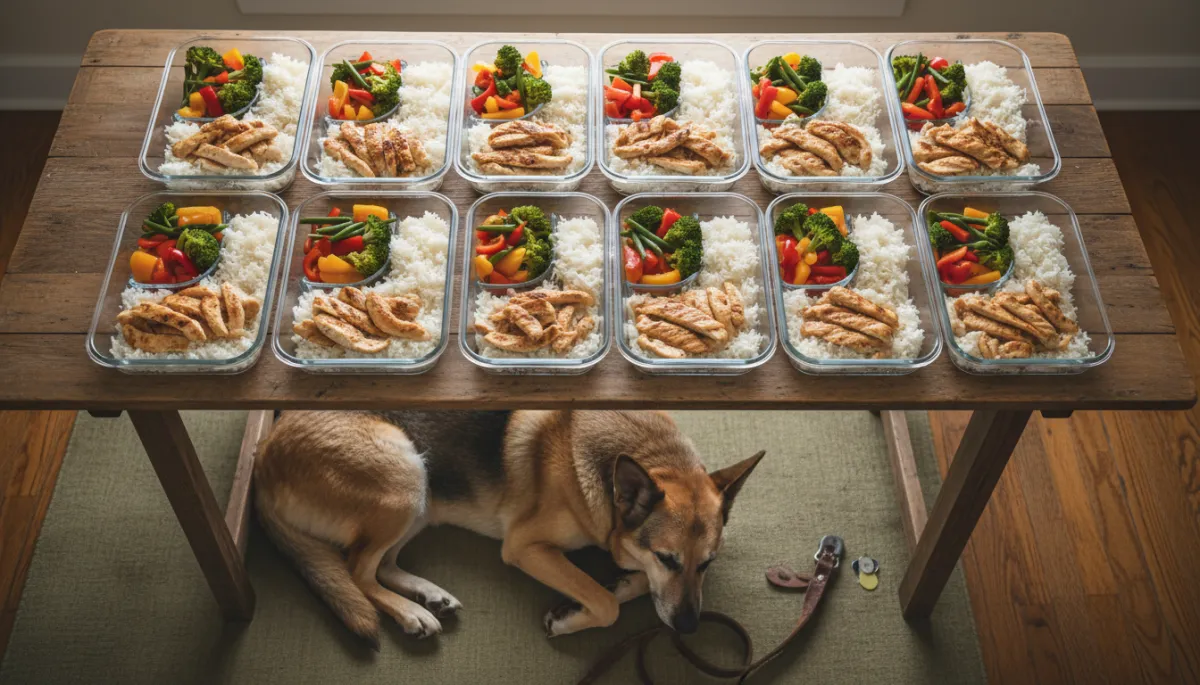
A single weekend prep session can cover several days of balanced, ready-to-eat meals.
Affordable Meals: Eating Well on a Veteran’s Budget
Healthy eating does not have to be expensive. In fact, smart meal prep is one of the best ways to stretch your budget while still supporting strong veteran nutrition. Here are some wallet-friendly strategies that work in almost any grocery store:
Buy in bulk when it makes sense. Oats, rice, beans, lentils, and frozen vegetables are often cheaper in larger bags and have a long shelf life.
Choose store brands. Generic or store-brand canned tomatoes, beans, tuna, and frozen produce are usually just as nutritious as name brands at a lower cost.
Use frozen and canned wisely. Frozen fruits and vegetables are picked at peak ripeness and can be more affordable than fresh. Canned beans, corn, and tomatoes are great for quick, healthy recipes—just look for low-sodium versions when possible and rinse beans before using.
Plan for leftovers. Cooking a big pot of chili or soup once can give you multiple lunches or dinners, saving both time and money while keeping your veteran health on track.
💡 Pro Tip: Compare the cost of your prepped lunch—like a chicken, rice, and veggie bowl—to a typical fast-food meal. Many veterans find they save several dollars per meal by bringing food from home.
Healthy Recipes for Veterans: Simple, Tasty, and Meal-Prep Friendly
1. One-Pan Chicken, Veggie, and Potato Bake
This is a classic meal prep favorite because it is easy, affordable, and makes several servings at once. It is also flexible—use whatever vegetables you have on hand.
Ingredients (4–5 servings): 4 chicken breasts or thighs, 4 medium potatoes (white or sweet), 3 cups mixed vegetables (like carrots, broccoli, bell peppers), 2–3 tablespoons olive oil, salt, pepper, garlic powder, and any herbs you like (such as Italian seasoning or paprika).
Directions: Preheat your oven to 400°F (about 200°C). Cut the potatoes and vegetables into bite-sized pieces. Place everything on a large baking sheet, drizzle with olive oil, and season well. Spread the chicken pieces on top. Bake for about 25–35 minutes, or until the chicken is cooked through and the potatoes are tender. Divide into containers for easy lunches or dinners.
2. High-Protein Breakfast Burritos (Freezer-Friendly)
Mornings can be rough, especially if you struggle with sleep or early appointments. Having a grab-and-heat breakfast supports veteran nutrition without adding stress to your day.
Ingredients (8 burritos): 8 whole-wheat tortillas, 10–12 eggs (or a mix of eggs and egg whites), 1 cup black beans (drained and rinsed), 1 cup shredded cheese, 1–2 cups sautéed vegetables (such as peppers, onions, and spinach), salt, pepper, and salsa if you like.
Directions: Scramble the eggs in a large pan and season with salt and pepper. Warm the tortillas slightly so they are easier to roll. Lay out each tortilla and add a scoop of eggs, beans, vegetables, and a sprinkle of cheese. Roll tightly, folding in the ends. Wrap each burrito in foil or plastic wrap and freeze. Reheat in the microwave or oven for a quick, balanced breakfast that helps support steady energy and veteran health.
3. Budget-Friendly Bean and Turkey Chili
This hearty chili is packed with protein and fiber, making it a great option for affordable meals that keep you full and satisfied. It freezes well and works for lunches or dinners.
Ingredients (6–8 servings): 1 pound ground turkey (or lean ground beef), 1 onion (chopped), 2 cans beans (such as kidney and black beans, drained and rinsed), 1 large can crushed tomatoes, 1 small can tomato sauce, 1–2 cups water or broth, chili powder, cumin, garlic powder, salt, and pepper to taste. Optional: corn, bell pepper, or jalapeño.
Directions: In a large pot, cook the ground turkey with the chopped onion until browned. Add the beans, tomatoes, tomato sauce, and enough water or broth to reach your desired thickness. Season generously with chili powder, cumin, garlic, salt, and pepper. Simmer for at least 20–30 minutes. Portion into containers. Serve with a side of brown rice, a baked potato, or a small handful of tortilla chips.
4. Quick “Power Bowls” You Can Mix and Match
Power bowls are perfect for easy meal planning because you can change them up with different ingredients, which keeps things interesting while still supporting solid veteran nutrition. Think of them as a template rather than a strict recipe.
Base: Cooked brown rice, quinoa, barley, or even leftover roasted potatoes.
Protein: Grilled chicken, canned tuna, hard-boiled eggs, black beans, or leftover chili.
Veggies: Raw salad greens, shredded carrots, sliced cucumbers, steamed broccoli, or roasted vegetables from your weekend prep.
Extras: A sprinkle of cheese, avocado slices, salsa, or a spoonful of hummus for flavor and healthy fats.
Assemble your bowls in containers for the week, keeping any dressings or sauces separate until you are ready to eat. This style of meal prep makes it easy to adjust portions based on your appetite and activity level, which is especially helpful for veterans managing weight, blood sugar, or heart health.
Meal Prep Tips for Different Living Situations
For Single Veterans or Those Living Alone
If you are cooking just for yourself, it is easy to fall into the habit of skipping meals or relying on takeout. Meal prep can actually be simpler when you are cooking for one, because you can repeat the same meal several times without complaints from anyone else. Focus on recipes that freeze well, like soups, stews, chilis, and casseroles. Portion them into single servings so you can grab exactly what you need when you need it.
For Veterans with Families
Feeding a household means balancing different tastes, schedules, and appetites. Try “build-your-own” meals that use the same base ingredients but let everyone customize their plate. For example, set out tortillas, seasoned meat or beans, shredded cheese, lettuce, and salsa for a taco night. Each person can build their own taco bowl or burrito using the same prepped ingredients, making easy meal planning and affordable meals a team effort rather than a burden on one person.
For Veterans with Limited Energy or Mobility
Chronic pain, fatigue, or mobility challenges can make standing in the kitchen for long periods tough. In this case, veteran health means finding ways to prep that respect your body’s limits. Consider:
Using a stool or chair at the counter while chopping or stirring
Breaking meal prep into shorter 15–20 minute sessions instead of one long block
Choosing no-chop or low-chop recipes, such as sheet-pan meals with pre-cut frozen vegetables
Asking a friend, family member, or fellow veteran to join you for a shared prep session—more hands make lighter work and better company.
Staying Motivated: Linking Meal Prep to Your Bigger Mission
Sticking with meal prep is easier when you connect it to a purpose that matters to you. Maybe you want more energy to play with your kids or grandkids. Maybe you are working on lowering your blood pressure, improving your sleep, or supporting your mental health. Maybe you simply want to feel more in control of your day-to-day life after a period of uncertainty or transition.
Whatever your reason, remind yourself that every time you set aside an hour to cook, you are investing in your veteran health and independence. You are reducing the number of decisions you have to make when you are tired or stressed. You are giving your body steady fuel instead of leaving it to chance. That is a powerful act of self-respect and resilience.
“Discipline is just remembering what you want.” When you prep your meals, you are choosing the long-term version of what you want—better energy, strength, and health—over the short-term convenience of whatever is closest.
Practical Tools and Shortcuts to Make Meal Prep Easier
You do not need a fancy kitchen to make meal prep work, but a few tools can make the process smoother and faster:
A sharp knife and a sturdy cutting board for safe, efficient chopping
A slow cooker or pressure cooker for hands-off soups, stews, and shredded meats
A few reusable containers in different sizes for portioning meals and snacks
A simple planner, notebook page, or phone note where you can jot down your easy meal planning ideas and shopping list
💡 Pro Tip: Keep a running list on your fridge or phone of go-to healthy recipes you enjoy. When you are tired or low on motivation, you can pick from that list instead of trying to think of something new.
Bringing It All Together: Meal Prep as Everyday Self-Care for Veterans
At its core, meal prep is not about strict rules or complicated plans. It is about making your daily life a little easier and your veteran health a little stronger, one meal at a time. By focusing on simple, affordable meals, building blocks of solid veteran nutrition, and realistic routines, you create a foundation you can rely on—no matter what else your week throws at you.
You do not have to overhaul everything overnight. Start with one small step this week: maybe it is cooking a batch of chicken and rice, assembling a few breakfast burritos, or prepping vegetables for easy snacking. As those small steps become habits, you will likely notice changes in your energy, mood, and overall sense of control. That is the quiet power of easy meal planning and thoughtful veteran nutrition.
You have already shown courage, discipline, and resilience in your service. Applying a little of that same mindset to how you feed yourself is not about chasing perfection; it is about honoring the life you are building now. With simple healthy recipes, a focus on affordable meals, and a meal prep routine that truly fits your world, you can fuel your next mission—whatever it may be—with confidence and care.