

Nutrition Tips for Veterans: Boost Energy & Mood
Health, Veteran Nutrition, Veteran Wellness
Nutrition for Veterans: Simple Eating Habits That Support Energy and Mood
Life after service can be busy, unpredictable, and demanding on both body and mind. The good news is that a few simple, realistic changes to what you eat can make a real difference in your daily energy, mood, and overall veteran wellness. This guide breaks down veteran nutrition into friendly, doable steps you can start using today—no strict diets, no fancy ingredients, just practical nutritional support that fits real life.
Why Nutrition Matters So Much for Veterans
Military life often means structured meal times, group dining, and plenty of movement. After service, routines change. Work schedules, family responsibilities, pain, sleep issues, or mental health challenges can all throw off regular eating. It’s common for veterans to skip meals, rely on fast food, or snack late at night—and then wonder why energy crashes or mood swings show up during the day.
Veteran nutrition isn’t about perfection. It’s about giving your body steady fuel so you can think clearly, move comfortably, and handle stress a little more easily. A mood-enhancing diet and healthy eating habits can support:
More consistent energy throughout the day, instead of big highs and lows
Better focus, memory, and decision-making, especially at work or school
More stable mood and fewer “short fuse” moments or emotional dips
Improved sleep quality and easier mornings
Long-term health—heart, joints, digestion, and brain function
💡 Friendly reminder: If your eating habits feel “off” since leaving the military, you’re not alone. Small, steady changes can still create powerful nutritional support for your body and mind.
Simple Healthy Eating Habits That Fit Real Life
You don’t need a strict meal plan to improve veteran wellness. Focus on a few simple eating habits that you can repeat most days. Think “better, not perfect.”
1. Eat Regularly to Avoid Energy Crashes
Going long stretches without food can leave you shaky, irritable, or wiped out by mid-afternoon. A simple veteran nutrition rule: aim to eat every 3–5 hours while you’re awake. That might look like three meals and one or two small snacks, depending on your schedule and appetite.
Morning: Breakfast or a solid snack within a couple of hours of waking up
Midday: A balanced lunch with some protein, fiber, and healthy fat
Afternoon: A small energy-boosting snack to carry you to dinner
💡 Pro Tip: Set a quiet phone reminder for mid-morning and mid-afternoon. It’s a gentle nudge to check in with your hunger and grab something nourishing before you crash.
2. Build a “Balanced Plate” Without Overthinking It
A balanced meal doesn’t have to be complicated. For strong energy and a mood-enhancing diet, try to include:
Protein (chicken, fish, lean beef, eggs, beans, tofu, Greek yogurt) to keep you full and support muscles and brain chemicals related to mood.
Fiber-rich carbs (oats, brown rice, quinoa, whole-grain bread, potatoes, beans, fruit) for steady fuel rather than a quick sugar spike and crash.
Colorful plants (vegetables and fruits) for vitamins, minerals, and antioxidants that support brain health and veteran wellness.
Healthy fats (olive oil, nuts, seeds, avocado, fatty fish) to help your brain function and keep you satisfied longer.
A quick example: grilled chicken, brown rice, and roasted carrots with a drizzle of olive oil. Or a turkey sandwich on whole-grain bread with a side of apple slices and a handful of nuts. Simple, familiar, and powerful for veteran nutrition.
3. Keep Hydration Easy and Automatic
Dehydration can feel a lot like fatigue, brain fog, or even low mood. Drinking enough water is one of the simplest forms of nutritional support. Aim for a reusable bottle you like and keep it where you see it—on your desk, in your car, or next to your favorite chair. If plain water gets boring, try:
Adding lemon, lime, cucumber, or berries for light flavor
Unsweetened iced tea or herbal tea in the evening
If you rely heavily on coffee or energy drinks for a boost, try pairing each caffeinated drink with at least one full glass of water. You’ll still get the alertness without as much jittery feeling or afternoon crash.
Energy-Boosting Foods That Actually Help You Power Through the Day
When you think of “energy,” it’s easy to picture caffeine or sugar. Those can give you a quick jolt, but they often leave you more tired later. The best energy-boosting foods give you steady power over several hours. Here are some veteran-friendly options you can mix into your routine.
Whole Grains for Long-Lasting Fuel
Whole grains digest more slowly than refined grains, which means they release energy gradually instead of all at once. They also help keep your blood sugar more stable, which supports steadier mood and focus. Try:
Oatmeal topped with fruit and nuts for breakfast
Brown rice or quinoa with dinner instead of white rice or instant noodles
Whole-grain bread or tortillas for sandwiches and wraps
Protein-Rich Foods to Keep You Satisfied
Protein helps control hunger and prevents that “empty” feeling an hour after you eat. It also supports muscle repair, which is especially important if you’re dealing with chronic pain, old injuries, or getting back into exercise. Helpful sources include:
Eggs, Greek yogurt, cottage cheese, or tofu scrambles at breakfast
Chicken, turkey, tuna packets, or bean-based chili at lunch or dinner
Nuts, seeds, jerky, or hummus with veggies as portable snacks
Fruits and Vegetables for Natural Energy and Recovery
Fruits and vegetables are loaded with vitamins, minerals, and antioxidants that help your body handle stress, inflammation, and daily wear and tear. They’re essential in any veteran nutrition plan. Some easy options:
Bananas, oranges, or apples for grab-and-go energy-boosting snacks
Baby carrots, cherry tomatoes, or pre-washed salad mixes with dinner
Frozen mixed vegetables you can toss into soups, pasta, or stir-fries
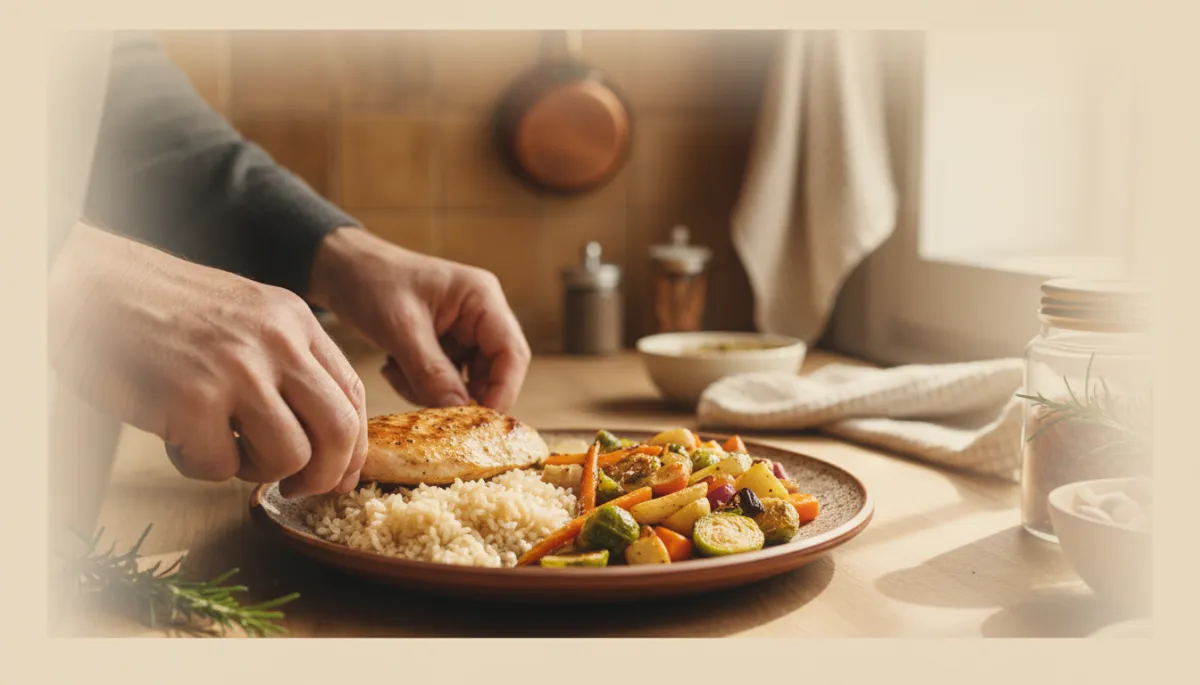
Simple, balanced meals provide steady energy and support more stable mood throughout the day.
Mood-Enhancing Diet: Foods That Support Mental and Emotional Health
Food can’t cure depression, anxiety, PTSD, or other mental health conditions. But the right nutritional support can make it a little easier to cope, and may help your treatment work better. A mood-enhancing diet focuses on nutrients that support brain health, reduce inflammation, and promote stable blood sugar—all important pieces of veteran wellness.
Omega-3 Fats for Brain and Mood Support
Omega-3 fatty acids are often called “brain fats.” They help build cell membranes in the brain and may play a role in mood regulation. You’ll find them in:
Fatty fish like salmon, trout, sardines, and mackerel (aim for two servings a week if you can)
Walnuts, chia seeds, flaxseeds, and hemp seeds (great in oatmeal or smoothies)
If you don’t like fish or rarely eat it, you can talk with your provider about an omega-3 supplement as part of your veteran nutrition plan, especially if you’re also working on mental health concerns.
B Vitamins and Iron for Low Energy and Brain Fog
Feeling tired, weak, or foggy can sometimes be linked to low levels of certain nutrients, like B vitamins or iron. These are crucial for making red blood cells and carrying oxygen throughout your body. Helpful foods include:
Lean red meat, chicken, turkey, and fish for iron and B12
Beans, lentils, spinach, and fortified cereals for plant-based iron and B vitamins
If you suspect a deficiency—especially if you feel exhausted even after good sleep—ask your doctor or VA provider about a simple blood test. Nutritional support through food, and sometimes supplements, can make a noticeable difference.
Gut Health and Mood: The “Second Brain” Connection
Your gut and brain talk to each other constantly. A healthier gut environment can support better mood and less inflammation. To support your “second brain,” try to include:
Fiber-rich foods like oats, beans, lentils, fruits, and vegetables to feed helpful gut bacteria
Fermented foods like yogurt with live cultures, kefir, sauerkraut, kimchi, or kombucha (start small if you’re new to these)
📌 Key Takeaway: A mood-enhancing diet isn’t one special food. It’s a pattern of eating that regularly includes whole grains, colorful plants, healthy fats, and enough protein to keep your brain and body supported.
Practical Nutrition Tips for Common Veteran Challenges
Every veteran’s situation is different, but some challenges come up again and again: chronic pain, sleep problems, limited time, tight budgets, or living alone. Here are some ways to keep healthy eating habits realistic, even when life is complicated.
When You’re Too Tired to Cook
On low-energy days, it’s easy to skip meals or lean entirely on drive-thru food. Instead, think about “good-enough” veteran nutrition. Stock your kitchen with quick options that still offer nutritional support:
Rotisserie chicken, pre-washed salad mix, and microwavable brown rice packets
Canned tuna or salmon, whole-grain crackers, and baby carrots with hummus
Frozen veggie mixes and pre-cooked chicken strips you can toss into a skillet with a little olive oil and seasoning
When Sleep and Nighttime Snacking Are an Issue
Many veterans deal with insomnia, nightmares, or shift work. That can lead to late-night snacking or heavy meals right before bed. To support both energy and mood:
Try to have your biggest meal earlier in the day when you need more fuel.
If you’re hungry at night, reach for a light snack with protein and carbs—like half a turkey sandwich, a small bowl of oatmeal, or yogurt with fruit—instead of heavy, greasy foods.
This approach is easier on digestion and may help you fall back asleep more comfortably if you wake during the night.
When You’re on a Tight Budget
Healthy eating habits don’t have to be expensive. In fact, some of the best veteran nutrition staples are budget-friendly:
Dried or canned beans and lentils (great in soups, stews, and tacos)
Frozen vegetables and fruits (often cheaper than fresh and last longer)
Store-brand oats, brown rice, whole-grain pasta, and peanut butter
💡 Pro Tip: Many VA facilities and community organizations offer classes, food pantries, or vouchers aimed at veteran wellness. Asking about these resources is a sign of strength, not weakness.
Getting Nutritional Support: You Don’t Have to Figure It All Out Alone
Nutrition for veterans is a team effort. You bring your goals, history, and preferences. Health professionals and community programs bring tools, guidance, and support. Together, you can build a realistic plan that fits your life—not the other way around.
How a Dietitian Can Help with Veteran Nutrition
A registered dietitian who understands veteran wellness can help you:
Translate medical conditions (like diabetes, heart disease, or digestive issues) into everyday food choices
Adjust your eating plan around medications that affect appetite, digestion, or sleep
Create simple meal ideas and grocery lists that match your budget and cooking skills
Many VA medical centers and community clinics have dietitians on staff. You can ask your primary care provider for a referral and let them know you’re interested in nutritional support for energy, mood, or specific health concerns.
Using Technology to Support Healthy Eating Habits
If you like using your phone or tablet, there are many apps that can support veteran nutrition without making you obsess over every bite. Look for tools that:
Help you plan meals and shopping lists based on simple recipes
Track how you feel (energy, mood, sleep) alongside what you eat, so you can notice patterns
The goal isn’t to be perfect. It’s to build awareness and give yourself more choices about what truly helps you feel your best.
Bringing It All Together: A Day of Simple, Supportive Eating
To show how all these ideas can fit into a normal day, here’s an example of a simple, mood-enhancing diet that focuses on energy-boosting foods and realistic healthy eating habits. Adjust portions and timing to fit your own needs, schedule, and hunger cues.
Morning: Gentle Fuel to Start the Day
Breakfast: Oatmeal cooked with milk or a milk alternative, topped with sliced banana and a spoonful of peanut butter, plus a cup of coffee or tea and a glass of water.
This combination offers whole grains, protein, healthy fats, and natural sweetness—great for stable energy and focus through the morning.
Midday: Steady Power for Work, Errands, or Appointments
Lunch: Turkey and cheese sandwich on whole-grain bread with lettuce and tomato, a side of baby carrots, and an apple.
Here you’re getting protein, fiber, colorful plants, and complex carbs that support both veteran wellness and a more stable mood throughout the afternoon.
Afternoon: Preventing the Crash
Snack: A small handful of nuts and a piece of fruit, or Greek yogurt with a drizzle of honey.
This kind of snack supports blood sugar stability, which is key for both energy and mood, especially if you still have tasks to tackle later in the day.
Evening: Comforting, Not Overwhelming
Dinner: Baked salmon or chicken, roasted potatoes, and a mix of roasted vegetables (like carrots, broccoli, and onions) with olive oil and herbs.
This meal includes omega-3s (if you choose fish), fiber, and plenty of vitamins and minerals. It’s satisfying without being so heavy that it disrupts sleep.
Optional evening snack: If you’re hungry later, try a small bowl of cereal with milk, a banana, or a few whole-grain crackers with cheese.
Final Thoughts: Your Nutrition Journey Is Part of Your Wellness Mission
Nutrition for veterans is not about following a perfect plan or never eating your favorite comfort foods again. It’s about building a foundation of simple, repeatable habits that support your energy, mood, and long-term health. Every time you choose energy-boosting foods, add a vegetable to your plate, drink a glass of water, or eat a balanced meal instead of skipping, you’re investing in your own veteran wellness.
If you’re just starting, pick one or two habits from this guide—maybe eating more regularly, adding a piece of fruit each day, or swapping soda for water a few times a week. As those become routine, you can layer in more changes that fit your life and preferences. Over time, these small steps create a powerful mood-enhancing diet and solid nutritional support for both body and mind.
You’ve already handled challenges that many people will never face. Shifting your eating habits is another mission—but this time, the mission is taking care of you. With practical veteran nutrition strategies, simple healthy eating habits, and the right support, you can build a way of eating that helps you feel more energized, more balanced, and more like yourself, one meal at a time.