
Simple Nutrition Plan for Veterans - No BS Guide
Veteran Health, Veteran Nutrition, Healthy Eating
Simple Nutrition Plan for Veterans (No BS Guide)
A straightforward, evidence-based Nutrition Guide to help you build a realistic, Balanced Diet and Simple Meal Plan that actually fits a veteran’s life—without fads, guilt, or complicated rules.
Why Veteran Nutrition Needs Its Own Playbook
As a healthcare professional who has worked with many former service members, I can tell you this: Veteran Nutrition is not the same as generic “eat better and move more” advice. Your body, your schedule, your stress levels, and often your injuries or chronic conditions—these all change the game. You may be dealing with joint pain, sleep issues, PTSD, weight changes after leaving active duty, or a busy family and work life that leaves little time for cooking. That’s exactly why you need a Simple Meal Plan that respects your reality, not a perfect Instagram diet that falls apart by Wednesday.
This no BS Nutrition Guide is built to support Veteran Health in the real world. We’ll focus on simple, repeatable habits, not calorie-counting obsession. You’ll get a clear picture of what a Balanced Diet looks like, how to build easy meals from regular grocery store food, and how to adjust things if you’re dealing with common veteran challenges like low energy, weight gain, or high blood pressure.
⚠️ Medical Disclaimer: This guide is for general education, not a substitute for personal medical care. If you have conditions like diabetes, kidney disease, heart disease, severe digestive issues, or are on multiple medications, talk with your healthcare provider—or a registered dietitian—before making major changes to your eating plan.
The No BS Basics: What a Balanced Diet Actually Means
Let’s strip away the buzzwords. A Balanced Diet for most veterans means:
Enough protein to support muscle, recovery, and metabolism
Plenty of fiber-rich carbs (like oats, beans, and potatoes) for steady energy—not sugar spikes and crashes
Healthy fats to support hormones, brain health, and joint comfort
A variety of vegetables and fruits for vitamins, minerals, and anti-inflammatory compounds
Think of each plate as a simple checklist rather than a math problem. For most meals, aim for:
1–2 palm-sized portions of protein (chicken, turkey, fish, eggs, Greek yogurt, tofu, beans)
1–2 cupped-hand portions of carbs (rice, pasta, potatoes, whole-grain bread, fruit, beans)
1–2 fist-sized portions of vegetables (fresh, frozen, or canned with low sodium)
1–2 thumb-sized portions of healthy fats (olive oil, nuts, seeds, avocado, peanut butter)
💡 Quick Reality Check: You don’t need “perfect” nutrition for better Veteran Health. Even hitting this plate balance 60–70% of the time can improve energy, blood pressure, and weight over a few months.
Building a Simple Meal Plan: The 3–Meal + 1 Snack Structure
A Simple Meal Plan should feel like a routine, not a prison. For most veterans, a basic structure of 3 meals and 1 protein-rich snack works well. It keeps your blood sugar steady, prevents “I’m starving, give me anything” moments, and supports stable mood and focus—huge for both physical and mental Veteran Health.
Sample Day: Simple, Real-World Veteran Nutrition
Use this as a template, not a rigid rulebook. Swap foods based on your culture, budget, and preferences. The goal is Healthy Eating you can repeat, not perfection.
Breakfast (Fast and Filling)
2 eggs (scrambled or boiled) + 1 slice whole-grain toast + 1 piece of fruit (banana, apple, or orange)
Coffee or tea (easy on the sugar; use a splash of milk if you like)
This gives you protein, fiber, and some natural carbs to start the day without a sugar crash an hour later. If you’re in a rush, swap the eggs for a Greek yogurt and toss in a handful of oats or granola.
Lunch (Easy to Pack or Grab)
Turkey or chicken sandwich on whole-grain bread with lettuce and tomato + baby carrots or a side salad + a piece of fruit
Eating out? Aim for the same structure: a protein (grilled, not fried), some kind of veggie, and a reasonable carb portion. A grilled chicken sandwich with a side salad instead of fries is a solid Veteran Nutrition win, not a punishment.
Afternoon Snack (Energy, Not Junk)
1 small handful of nuts (almonds, peanuts, or mixed nuts) + 1 fruit or a few whole-grain crackers
This supports Healthy Eating by taking the edge off hunger so you don’t hit dinner like a starving wolf. Nuts are calorie-dense but very satisfying—keep your portion to a small handful, not half the container.
Dinner (Simple, One-Plate Meal)
Palm-sized piece of grilled chicken, fish, lean beef, or tofu
1 cup brown rice, quinoa, or roasted potatoes
1–2 cups of vegetables (frozen mixed veggies, steamed broccoli, or a big salad with olive oil and vinegar)
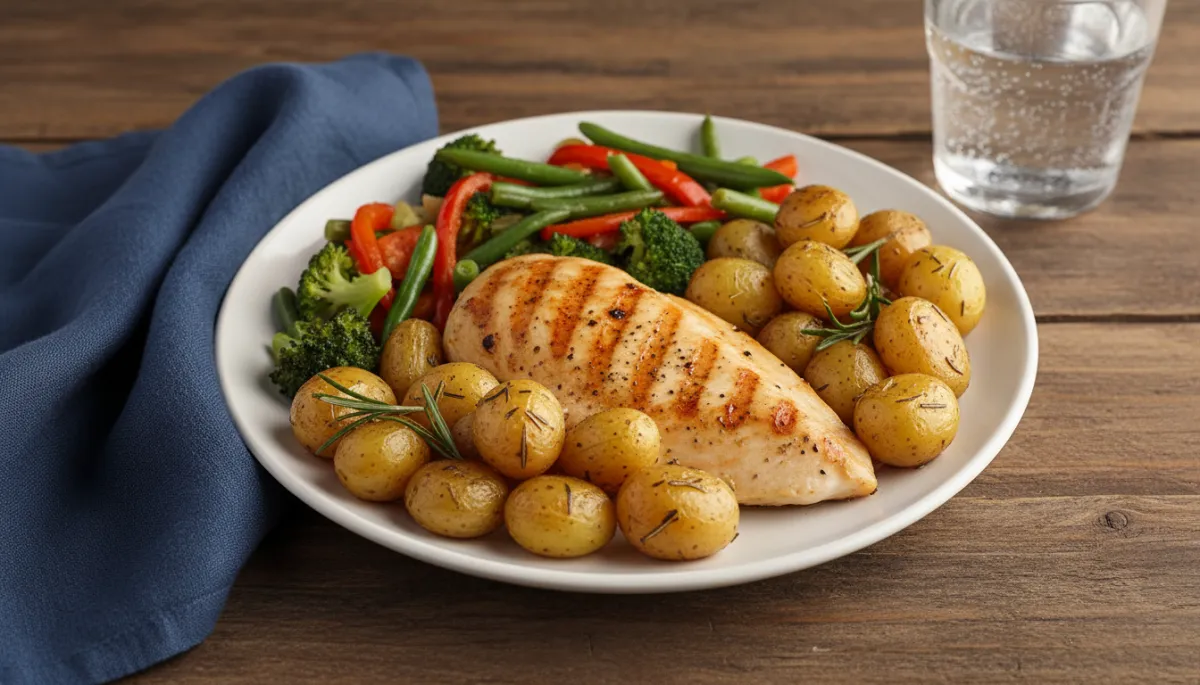
A simple, balanced plate like this supports energy, recovery, and weight control.
Veteran Health Priorities: Tailoring Your Nutrition Guide to Common Issues
Many veterans share similar health challenges after service. Let’s talk about how a realistic Nutrition Guide can help with some of the big ones, using straightforward, Healthy Eating strategies you can start this week.
1. Weight Gain After Leaving Active Duty
When training intensity drops but eating habits stay the same, weight usually creeps up. The goal isn’t to starve yourself; it’s to create a small, steady calorie deficit while keeping protein and nutrients high. Here’s how a Simple Meal Plan can help:
Keep protein at most meals—this helps you stay full and maintain muscle while losing fat.
Swap sugary drinks (soda, energy drinks, sweet tea) for water, coffee, tea, or zero-calorie alternatives most of the time.
Use the plate method: half your plate veggies, one quarter protein, one quarter carbs. This naturally cuts calories without counting every gram.
⚠️ Important: Rapid, extreme dieting can backfire, especially if you have a history of disordered eating, depression, or PTSD. Aim for slow, steady progress—about 1–2 pounds per week at most—and check in with your healthcare team if you feel your mood or sleep getting worse.
2. Joint Pain, Arthritis, and Old Injuries
You can’t “eat away” arthritis, but Healthy Eating can support a lower level of chronic inflammation and help with weight management—both of which matter for your knees, hips, and back. For Veteran Health focused on joint comfort:
Include fatty fish (like salmon, sardines, or trout) 1–2 times per week for omega-3 fats, or talk to your provider about a fish oil supplement if appropriate.
Add more colorful fruits and vegetables (berries, leafy greens, peppers, oranges) for antioxidants that support tissue health.
Limit heavy, frequent alcohol intake, which can worsen inflammation and interfere with sleep and recovery.
3. Blood Pressure, Cholesterol, and Heart Health
Many veterans are told to “watch their numbers” without clear guidance on how. A heart-friendly Balanced Diet doesn’t have to be complicated. Focus on:
Reducing sodium by choosing low-sodium canned goods, rinsing canned beans, and going easy on salty snacks and fast food.
Using olive oil or canola oil instead of butter or shortening most of the time.
Eating fiber-rich foods like oats, beans, lentils, fruits, and vegetables daily to support cholesterol and blood sugar.
⚠️ If you’re on blood pressure or heart medications: Sudden changes in weight, supplements, or very low-sodium diets can affect how your meds work. Always loop in your primary care provider or VA team before making drastic changes.
4. Mental Health, Sleep, and Energy
Food is not a cure for PTSD, depression, or anxiety—but Veteran Nutrition can make your brain’s job easier. Blood sugar crashes, dehydration, and heavy late-night meals can all worsen mood swings and poor sleep. Here’s how a simple Nutrition Guide can help:
Eat regular meals—skipping and then bingeing can make mood and energy more unstable.
Keep caffeine to earlier in the day if possible; too much late caffeine can wreck sleep, which then worsens mental health symptoms.
Include complex carbs (like oats, beans, and whole grains) and some protein at dinner to support more stable nighttime blood sugar.
⚠️ Mental Health Note: If you notice emotional eating, loss of appetite, or using alcohol to cope, please reach out to your VA mental health clinic or a trusted provider. Nutrition is one tool—not the only one—in your overall care plan.
Grocery Shopping for a Veteran-Friendly, Simple Meal Plan
You don’t need fancy “superfoods” to practice solid Veteran Nutrition. You need a short, repeatable grocery list that supports a Balanced Diet and doesn’t break your budget. Here’s a practical starter list you can adjust to your taste and culture.
Protein Staples
Frozen chicken breast or thighs
Lean ground turkey or beef
Canned tuna or salmon (in water), low sodium if possible
Eggs and Greek yogurt
Beans and lentils (canned or dry)
Carbohydrate and Fiber Sources
Oats and whole-grain bread or tortillas
Brown rice, quinoa, or whole-grain pasta (white rice is okay too if portioned reasonably)
Potatoes or sweet potatoes
Fruits and Vegetables (Fresh, Frozen, or Canned)
Frozen mixed vegetables, broccoli, or stir-fry blend (often cheaper and just as nutritious as fresh)
Salad mix or sturdy greens like cabbage or kale
Apples, bananas, oranges, or whatever fruit is on sale
Canned vegetables and fruit packed in water or juice (rinse or drain to reduce extra salt or sugar)
Healthy Fats and Flavor Boosters
Olive or canola oil for cooking and salads
Peanut butter or other nut butters (watch added sugar)
Nuts and seeds (buy in bulk if possible)
Herbs, spices, garlic, onion, and lemon juice for flavor without excess salt
💡 Budget Tip: If money is tight, prioritize protein (eggs, beans, canned tuna), a few basic carbs (oats, rice, potatoes), and low-cost veggies (frozen mixed vegetables, carrots, cabbage). That alone can build a solid Simple Meal Plan.
Eating Out, Social Events, and “Real Life” Flexibility
A No BS Nutrition Guide has to work when you’re at a cookout, on the road, or grabbing food between appointments. The goal is not to be “perfect” but to make better choices most of the time. Here are some simple rules of thumb for Healthy Eating on the go:
At fast food spots, choose grilled over fried when possible, and swap fries for a side salad or fruit cup sometimes.
At restaurants, aim for a meal with a clear protein, a veggie, and a reasonable carb portion. You can ask for extra veggies instead of extra bread or fries.
For parties or family gatherings, eat a normal, balanced meal earlier in the day so you’re not starving and end up overeating everything in sight.
Remember: Veteran Health is about patterns, not single meals. One heavy meal won’t ruin your progress, just like one salad won’t fix everything. Focus on what you do most days.
Supplements: What’s Worth Considering—and What’s Mostly Hype
As a certified specialist, I’m often asked which supplements veterans should take. The honest answer: for most people, a strong Balanced Diet and consistent Healthy Eating habits will do far more than a cabinet full of pills. Still, a few options can be helpful in some situations.
Basic multivitamin: Can be useful “insurance” if your diet is inconsistent. Not a magic fix, but may help cover small gaps.
Vitamin D: Many adults, including veterans, are low in vitamin D, especially if they spend a lot of time indoors. Ask your provider about testing and dosing before supplementing heavily.
Fish oil (omega-3): May support heart and joint health for some people, particularly if you rarely eat fish. Again, talk with your provider if you’re on blood thinners or other medications.
⚠️ Supplement Safety: “Natural” doesn’t mean safe. Supplements can interact with medications or medical conditions. Always bring a list of what you’re taking (including over-the-counter products) to your healthcare visits.
Making It Stick: Simple Habits for Long-Term Veteran Nutrition Success
Information is helpful, but habits change your health. To turn this Nutrition Guide into real-life change, start small. Pick one or two of these habit ideas and practice them consistently for a few weeks before adding more.
The 1-vegetable rule: Add at least one vegetable to lunch and dinner, even if it’s just a handful of baby carrots or frozen peas.
Protein at breakfast: Include eggs, Greek yogurt, cottage cheese, or a protein-rich option every morning to stabilize energy and appetite.
Water first: Before your first coffee or energy drink, drink a full glass of water. Repeat before meals when you can.
Plan one “anchor meal” per day: Choose one meal (often breakfast or lunch) that you keep fairly consistent and balanced. Let that be your daily anchor for Veteran Health.
Over time, these small shifts compound. You might notice better energy, fewer afternoon crashes, improved digestion, or slowly changing weight. That’s Veteran Nutrition doing its job quietly in the background—no drama, no fad diet required.
Final Thoughts: Your Nutrition Is Part of Your Next Mission
You’ve already done hard things. Compared to what you’ve faced in service, building a Simple Meal Plan and practicing Healthy Eating is a mission you’re more than capable of completing. The key is dropping the all-or-nothing mindset and focusing on steady, doable changes that fit your life now—not the life you had on active duty or the life you see on social media.
Use this Nutrition Guide as a starting point. Build balanced plates most days. Keep protein, fiber, and healthy fats in the mix. Choose water more often. Adjust your meals to support your specific Veteran Health needs, whether that’s weight loss, joint comfort, better sleep, or more stable mood. And remember: progress is measured over weeks and months, not by a single day’s food log.
If you can, consider connecting with a registered dietitian—many VA systems offer this service—to personalize your plan even more. But even without that, you now have a clear, no BS framework for a realistic, Balanced Diet that supports your body, your mind, and your next chapter beyond service.