
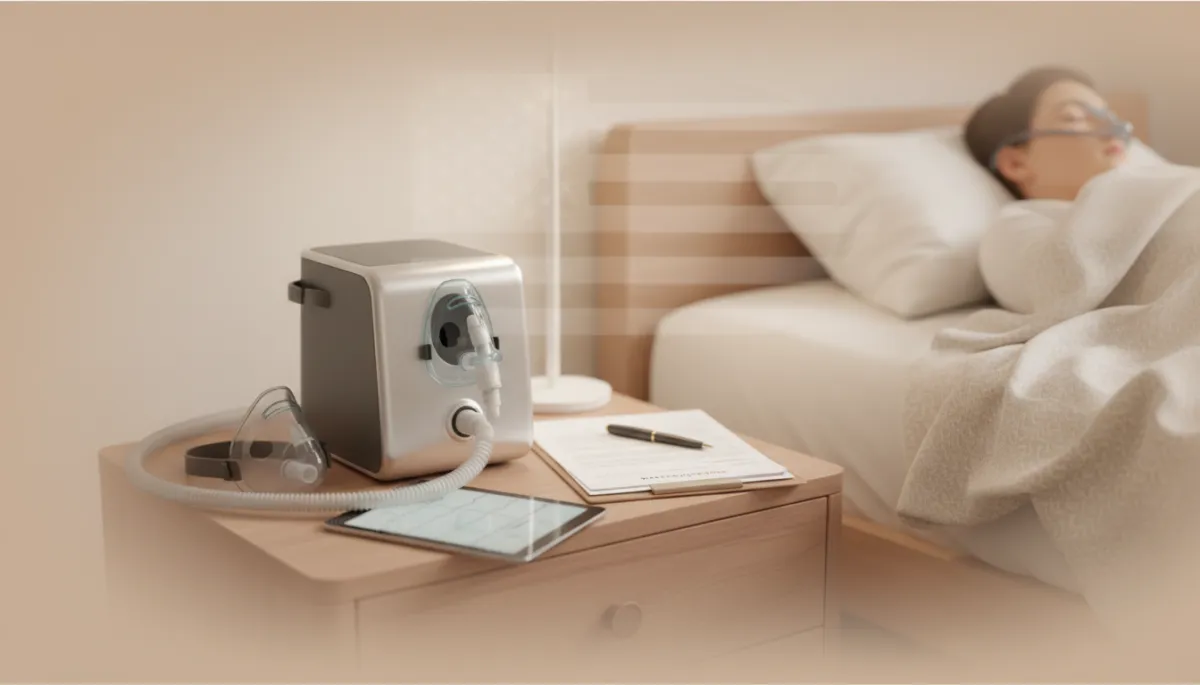
Sleep Apnea VA Rating: CPAP, Symptoms & Evidence
Veterans, Sleep Apnea, VA Rating, CPAP Therapy, Disability Claims
Sleep Apnea VA Rating Criteria: CPAP, Symptoms, and Evidence Explained
Understanding how the Department of Veterans Affairs (VA) evaluates Sleep Apnea can be the difference between a denied claim and the benefits you have earned. This guide walks you through Sleep Apnea VA rating criteria, the role of CPAP therapy, common symptoms of Sleep Apnea, and the types of evidence that can strengthen your disability claim as a veteran.
What Is Sleep Apnea and Why It Matters for Veterans
Sleep Apnea is a chronic sleep disorder in which breathing repeatedly stops and starts during sleep. For many veterans, this condition is linked to service-related factors such as weight changes, exposure to environmental hazards, chronic pain, mental health conditions like PTSD, or irregular sleep schedules during deployment. Recognizing Sleep Apnea as a potentially service-connected disability allows you to pursue veteran benefits that can offset medical costs and lost earning capacity.
The VA treats Sleep Apnea seriously because untreated cases are associated with high blood pressure, heart disease, stroke, diabetes, mood disorders, and impaired concentration. These complications can affect your ability to work, maintain relationships, and enjoy daily life. Understanding how the VA rating system works is a key first step in advocating for yourself and receiving the support you deserve.
Types of Sleep Apnea Recognized by the VA
For VA disability purposes, Sleep Apnea is generally categorized into three main types. All of them fall under the same diagnostic code (Diagnostic Code 6847), but their causes differ. A formal diagnosis from a sleep study will usually specify which type you have:
Obstructive Sleep Apnea (OSA): The most common form, caused by physical blockage of the airway when throat muscles relax during sleep. This is the type most frequently seen in VA disability claims for Sleep Apnea.
Central Sleep Apnea: A less common form where the brain does not send proper signals to the muscles that control breathing. It can be related to neurological conditions, heart failure, or certain medications.
Mixed or Complex Sleep Apnea: A combination of obstructive and central patterns. The VA still rates this condition under the same diagnostic code, focusing on severity and required treatment.
📌 Key Takeaway: The specific type of Sleep Apnea is less important to your VA rating than the severity of your symptoms and the treatment you require, particularly whether you need a CPAP or similar device.
Symptoms of Sleep Apnea Veterans Should Watch For
Many veterans live for years with symptoms of Sleep Apnea without realizing a treatable sleep disorder is behind their fatigue and health issues. Recognizing these warning signs can help you seek a diagnosis and support your VA claim. Common symptoms include:
Loud, chronic snoring, often reported by a partner or roommate
Gasping, choking, or snorting sounds during sleep, as if you briefly stop breathing
Waking up with a dry mouth, sore throat, or morning headaches
Excessive daytime sleepiness, even after spending enough hours in bed
Difficulty concentrating, memory problems, or feeling “foggy” during the day
Irritability, mood swings, or worsening anxiety and depression symptoms
For VA purposes, these symptoms matter in two ways. First, they help establish that your sleep disorder began or worsened during your time in service, especially if fellow service members or partners noticed your snoring or breathing pauses. Second, they demonstrate how Sleep Apnea affects your daily functioning, which is central to determining your VA rating.
💡 Pro Tip: Ask your spouse, partner, or someone who has observed your sleep to write a detailed statement describing what they see and how long it has been happening. Lay statements like these can be powerful evidence in a Sleep Apnea VA claim.
How the VA Rates Sleep Apnea: Diagnostic Code 6847
The VA evaluates Sleep Apnea under the Schedule for Rating Disabilities using Diagnostic Code 6847. Ratings are assigned in percentage levels that reflect how severely the condition impairs your health and ability to function. For Sleep Apnea, the most common ratings are 0%, 30%, 50%, and 100%. Understanding these categories helps you see where your condition might fit and what evidence you need to support that level.
0% Rating: Diagnosis Without Significant Symptoms
A 0% Sleep Apnea VA rating typically means the VA recognizes that you have been diagnosed with a Sleep Apnea sleep disorder, but they do not find that it causes functional impairment severe enough to warrant monthly compensation. You may still be eligible for certain healthcare benefits, but you will not receive disability pay at this level. This rating can occur when symptoms are minimal, or when treatment fully controls the condition without significant side effects or limitations.
30% Rating: Persistent Daytime Hypersomnolence
A 30% rating is often assigned when a veteran experiences ongoing symptoms such as excessive daytime sleepiness (hypersomnolence) despite having a confirmed diagnosis. You may not yet require a CPAP device, but your symptoms of Sleep Apnea clearly affect your alertness and daily functioning. For example, you may struggle to stay awake at work, feel the need to nap frequently, or have difficulty driving long distances due to fatigue.
50% Rating: Requirement of CPAP Therapy or Similar Device
The 50% Sleep Apnea VA rating is one of the most discussed levels because it is directly tied to CPAP therapy. Under Diagnostic Code 6847, a 50% rating is generally assigned when the condition requires the use of a breathing assistance device such as:
Continuous Positive Airway Pressure (CPAP) machine
Bi-level Positive Airway Pressure (BiPAP) machine
Other similar respiratory assist devices prescribed for Sleep Apnea
If a VA or private physician prescribes a CPAP device to treat your Sleep Apnea, and your diagnosis is confirmed by a sleep study, you may qualify for a 50% rating, assuming the device is medically necessary and used to control your condition. The presence of CPAP therapy is a major factor in Sleep Apnea VA rating decisions because it demonstrates that your condition is serious enough to require continuous nightly intervention.
100% Rating: Chronic Respiratory Failure or Serious Complications
A 100% rating is reserved for the most severe cases of Sleep Apnea. This usually involves chronic respiratory failure with carbon dioxide retention, the need for a tracheostomy, or other life-threatening complications. At this level, Sleep Apnea has progressed to the point where it profoundly limits your ability to function and may require intensive medical management. Most veterans do not fall into this category, but it is important to know that it exists and that severe complications related to Sleep Apnea can be fully compensable.
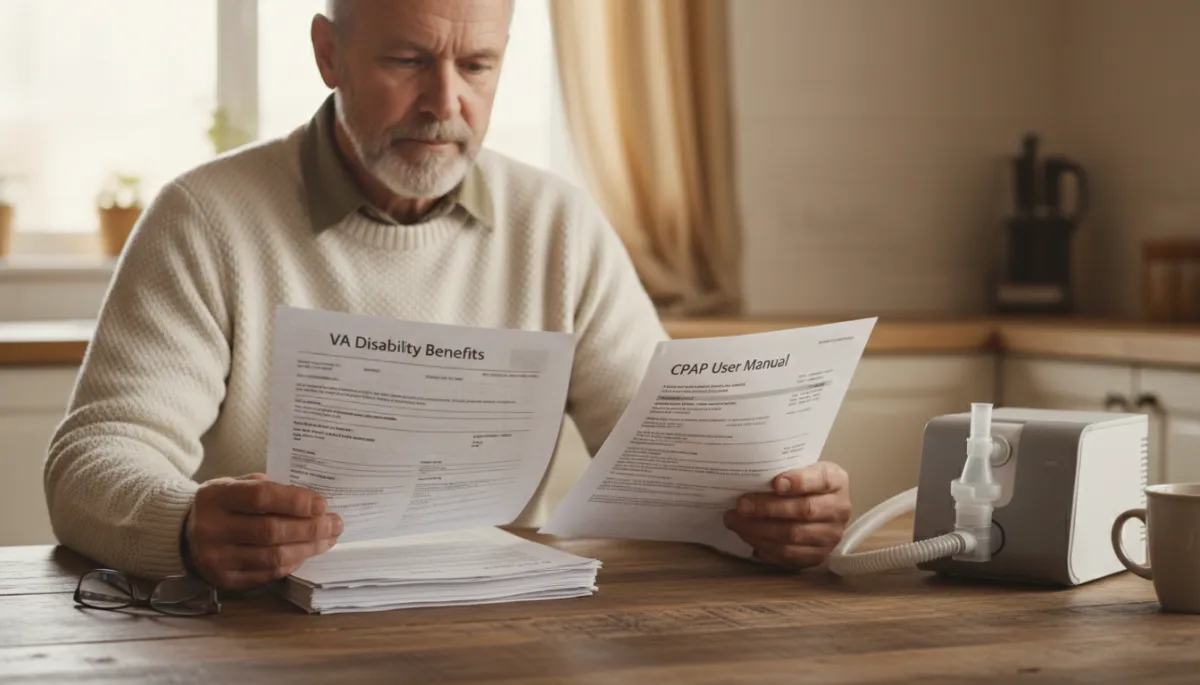
Detailed medical records and CPAP documentation can significantly strengthen a Sleep Apnea VA claim.
The Role of CPAP Therapy in Your Sleep Apnea VA Rating
CPAP therapy is central to many Sleep Apnea claims. A CPAP machine delivers a steady stream of air through a mask, keeping your airway open while you sleep. For VA rating purposes, the key question is whether a physician has determined that you require CPAP or a similar device to treat your Sleep Apnea. The prescription itself is powerful evidence that your condition is moderate to severe.
Some veterans worry that if CPAP therapy improves their symptoms, the VA might lower their rating. In most cases, this is not how the system works. The VA rating is based on the level of disability and the treatment required, not solely on how well the treatment controls your symptoms. If you need CPAP to maintain adequate breathing during sleep, that ongoing requirement supports the 50% rating, even if you feel better when using the device consistently.
📌 Key Takeaway: Keep copies of your CPAP prescription, sleep study results, and any follow-up notes from your sleep specialist. These documents help demonstrate that CPAP therapy is medically necessary, which is a key factor in securing or maintaining a 50% Sleep Apnea VA rating.
Evidence the VA Looks For in Sleep Apnea Claims
Strong evidence is essential to any successful VA disability claim. For Sleep Apnea, the VA typically expects three major components: a current diagnosis, a link to your military service, and documentation of severity and treatment. Understanding what counts as credible evidence can help you gather the right records before you file or appeal a claim.
1. Formal Diagnosis and Sleep Study Results
A formal diagnosis of Sleep Apnea is almost always based on a sleep study, also called a polysomnogram. This can be conducted in a sleep lab or, in some cases, through a home sleep test. The results typically include your Apnea-Hypopnea Index (AHI), which measures how many breathing interruptions you experience per hour. Higher AHI scores indicate more severe Sleep Apnea and can support a higher VA rating.
Be sure to obtain copies of the full sleep study report, not just the summary. The detailed findings can show the type of Sleep Apnea, severity level, oxygen desaturation levels, and the medical recommendations that followed. These details can be crucial if you need to appeal a denied claim or request an increase in your rating.
2. Service Connection: Direct, Secondary, or Aggravation
To receive veteran benefits for Sleep Apnea, you must show that the condition is connected to your military service. This connection can be established in several ways:
Direct service connection: Evidence that symptoms began while you were on active duty. This might include service treatment records noting snoring, daytime fatigue, or sleep disturbances, or statements from fellow service members who observed your symptoms.
Secondary service connection: Sleep Apnea that develops as a result of another service-connected condition, such as PTSD, chronic pain leading to weight gain, or a nasal or throat injury. In this case, a medical opinion linking your primary condition to your Sleep Apnea is essential.
Aggravation: If you had mild Sleep Apnea before service that significantly worsened during or because of service, you may be able to claim that your military duties aggravated the condition beyond its natural progression.
In all three scenarios, medical nexus opinions—written statements from qualified healthcare professionals explaining how your Sleep Apnea is related to service—can be decisive. These opinions should be clear, detailed, and based on a review of your medical history and current condition.
3. Documentation of Symptoms and Functional Impact
Beyond diagnosis and service connection, the VA needs to understand how your sleep disorder affects your daily life. This is where detailed symptom descriptions and functional impact statements become important. You should document:
How often you feel excessively tired during the day and how it affects your work, driving, or ability to focus
Any safety incidents or near-misses related to fatigue (such as drowsy driving or workplace errors)
Mood changes, irritability, or worsening mental health symptoms related to poor sleep quality
How CPAP therapy or other treatments affect your routine, including challenges with mask comfort, noise, or travel
Personal statements from you and those close to you, combined with clinical notes from your providers, paint a fuller picture of your disability. This evidence helps the VA assign the correct Sleep Apnea VA rating based on real-world impact, not just test results.
Preparing and Filing a Strong Sleep Apnea VA Claim
When you are ready to file a claim for Sleep Apnea, organization and thoroughness are your allies. Consider the following steps to present the strongest possible case for the veteran benefits you seek:
Gather medical records: Collect all relevant VA and private treatment records, including sleep study reports, CPAP prescriptions, progress notes from sleep specialists, and records of related conditions such as PTSD, sinus problems, or weight changes.
Compile lay statements: Ask your spouse, partner, family members, or fellow service members to write statements describing your snoring, breathing pauses, daytime fatigue, and how these issues have evolved over time.
Request medical opinions: If you are pursuing secondary service connection (for example, Sleep Apnea due to PTSD or weight gain from medication), try to obtain a written opinion from a physician explicitly linking the conditions.
Describe functional impact: Write a clear, honest statement explaining how Sleep Apnea and CPAP therapy affect your work, relationships, and quality of life. Be specific about missed workdays, concentration problems, and any safety concerns.
Attend all VA examinations: If the VA schedules a Compensation & Pension (C&P) exam, attend on time and be prepared to discuss your symptoms, history, and treatment honestly and thoroughly.
💡 Pro Tip: Consider working with a Veterans Service Organization (VSO), accredited representative, or experienced attorney for complex Sleep Apnea claims, especially if you are seeking secondary service connection or appealing a denial.
Common Challenges and Misconceptions About Sleep Apnea VA Ratings
Many veterans encounter obstacles when seeking a fair Sleep Apnea VA rating. Being aware of these challenges can help you avoid missteps and respond effectively if issues arise during the claims process.
“I did not have a sleep study while in service, so I cannot get benefits.” In reality, many veterans are diagnosed after leaving the military. You may still establish service connection through lay statements, medical opinions, and evidence that symptoms began during or soon after service.
“If CPAP helps me, the VA will reduce my rating.” The presence of CPAP therapy usually supports, rather than undermines, a 50% rating because it shows ongoing medical necessity for a breathing assistance device.
“Sleep Apnea is just snoring; it is not serious enough for benefits.” Untreated Sleep Apnea can lead to serious cardiovascular and cognitive issues. The VA recognizes this and provides compensation when evidence shows a service connection and functional impairment.
If your claim is denied or underrated, review the decision letter carefully. Look for reasons such as lack of nexus, insufficient evidence of severity, or questions about service connection. You generally have the right to appeal, submit additional evidence, or request a higher-level review. Addressing the specific concerns raised by the VA can significantly improve your chances on appeal.
Living With Sleep Apnea as a Veteran: Health and Quality of Life
While the VA rating process focuses on compensation, your long-term health is equally important. Properly treated Sleep Apnea can reduce your risk of serious medical complications and improve your energy, mood, and cognitive function. Many veterans report that consistent CPAP use helps them feel more rested, think more clearly, and engage more fully with family and work responsibilities.
If you struggle with CPAP therapy—whether due to mask discomfort, dryness, or noise—communicate with your sleep specialist or VA provider. Adjustments to mask type, humidity settings, or pressure levels can make a significant difference. Alternative treatments, such as oral appliances or positional therapy, may be considered in some cases, though for VA rating purposes, the requirement for a CPAP or similar device remains a key criterion for the 50% level.
📌 Key Takeaway: Pursuing a fair Sleep Apnea VA rating and using CPAP therapy consistently are not competing goals. Both protect your long-term health, financial stability, and overall quality of life as a veteran.
Conclusion: Aligning Your Symptoms, Evidence, and VA Rating
Navigating the Sleep Apnea VA rating process can feel complex, but the core principles are straightforward. The VA looks for a clear diagnosis of a sleep disorder, credible evidence that connects it to your military service, and detailed documentation of how the condition and its treatment affect your daily functioning. CPAP therapy plays a central role in many claims, particularly at the 50% rating level, and should be carefully documented through prescriptions, medical notes, and your own statements about use and impact.
As a veteran, you do not have to accept chronic fatigue, headaches, or cognitive fog as your “new normal.” By recognizing the symptoms of Sleep Apnea, seeking appropriate medical evaluation, and assembling strong evidence for your VA claim, you position yourself to receive the veteran benefits you have earned. Whether you are filing your first claim, seeking an increased rating, or appealing a decision, understanding how the VA evaluates Sleep Apnea—and how CPAP therapy fits into that picture—gives you a practical roadmap for the path ahead.
Ultimately, your goal is twofold: to protect your health through effective treatment and to secure a fair VA rating that reflects the real-world impact of your condition. With informed preparation, detailed documentation, and, when needed, professional support, both objectives are well within reach.
📌 Next Step: If you’re ready for personalized support with your Sleep Apnea VA claim, visit www.valorhealth.net to explore your options.