
Stop Living Paycheck to Paycheck on VA Benefits
VA Benefits, Financial Planning, Budgeting Tips, Money Management, Financial Independence
How to Stop Living Paycheck to Paycheck on VA Benefits
Living on VA Benefits does not have to mean constantly counting the days until the next deposit hits your account. With intentional financial planning, practical budgeting tips, and steady money management habits, it is possible to stop living paycheck to paycheck and begin building real financial independence—no matter what your current benefit amount looks like.
Understanding Your VA Benefits as a Financial Foundation
VA Benefits can feel fixed and inflexible, but they are also a dependable foundation. Disability compensation, pension, GI Bill housing allowances, caregiver stipends, and other programs create a predictable stream of income, even if it does not always feel like enough. The first step toward no longer living paycheck to paycheck is to understand exactly what you receive, when you receive it, and how it fits into your broader financial picture.
Begin by listing every source of VA-related income you receive each month:
Disability compensation (and the rating level attached to it)
VA pension or survivor benefits, if applicable
Post-9/11 GI Bill housing allowance (if you are currently in school)
Caregiver or aid-and-attendance payments
Next, note the exact dates those VA Benefits arrive. Many people feel trapped in a paycheck-to-paycheck cycle simply because bills are due at different times than income arrives. Knowing your deposit schedule allows you to design a financial planning approach that matches reality instead of fighting against it each month.
📌 Key Takeaway: Treat your VA Benefits like a stable salary. When you know the exact amount and timing, you can build a plan instead of living in reaction mode.
Why Paycheck-to-Paycheck Happens—Even with Guaranteed Benefits
Living paycheck to paycheck is not always about laziness, poor choices, or a lack of discipline. Often, it is a combination of high fixed costs, unexpected expenses, and the emotional weight of trying to stretch every dollar. When VA Benefits are the primary or only income source, there can be an added layer of pressure—especially if work options are limited by health, caregiving responsibilities, or the job market in your area.
A few common reasons this cycle continues include:
Housing costs that consume too much of the monthly VA check
Debt payments that leave little room for savings or emergencies
Irregular expenses—vehicle repairs, medical copays, school costs—that are never truly planned for
Emotional spending or “relief purchases” after periods of stress or pain
Recognizing why the money runs out before the month does is not about blame. It is about giving yourself the information you need to build a different pattern. To stop living paycheck to paycheck on VA Benefits, you will need a realistic, compassionate, and structured approach to money management—not a perfect one.
Step One: Build a Clear, Honest Snapshot of Your Money
Financial planning begins with clarity. Before changing how you spend, save, or pay down debt, pause to understand where your money is actually going right now. This is not about creating a perfect spreadsheet; it is about getting close enough to the truth to make better choices going forward.
List your monthly income. Include VA Benefits, part-time work, spouse or partner income, and any other reliable sources. Separate guaranteed amounts from those that are irregular or temporary.
Track at least one month of spending. Use your bank statement, debit card history, or a simple notebook. Group expenses into categories like housing, food, transportation, medical, debt, and personal spending. The goal is not perfection, but honesty.
Identify your fixed and flexible costs. Fixed costs are bills that stay roughly the same each month—rent, car payment, insurance. Flexible costs are groceries, gas, entertainment, and anything you can change more easily. This distinction is crucial for effective budgeting tips and long-term money management.
💡 Pro Tip: If tracking every dollar feels overwhelming, start by focusing on just three categories that tend to leak money: food (including takeout), subscriptions, and impulse purchases.
Designing a Budget That Fits Your VA Benefits and Your Life
A budget is not a punishment; it is a plan for how you want your VA Benefits and other income to support your actual life. To stop living paycheck to paycheck, your budget must be simple enough to follow and flexible enough to handle the realities of your health, family, and responsibilities. The goal is to create a structure that makes the next right decision easier, not to control every penny with military precision.
A Simple Three-Bucket Approach
One practical budgeting framework is to divide your monthly income into three main buckets:
Essentials: Housing, utilities, food, basic transportation, and necessary medical costs
Responsibilities: Debt payments, minimum savings contributions, child support, and other obligations
Quality of life: Modest entertainment, personal purchases, gifts, and anything that brings joy or comfort
When you assign every dollar of your VA Benefits to one of these buckets before the month begins, you are practicing proactive money management instead of reactive spending. Even if the numbers are tight, simply knowing that your essentials are covered can ease anxiety and reduce the urge to spend impulsively when the deposit hits.
Aligning Due Dates with Deposit Dates
Another powerful budgeting tip for anyone relying on VA Benefits is to adjust bill due dates to match your deposit schedule whenever possible. Many utilities, phone providers, and even lenders will move your due date if you call and ask. When your largest bills fall right after your benefit deposit, you are less likely to fall behind or rely on high-interest credit to bridge the gap later in the month.
Over time, this alignment can turn a chaotic month into a predictable rhythm: benefits arrive, essentials are paid, responsibilities are handled, and you can clearly see what is left for savings and quality-of-life spending. That clarity is a major step toward no longer living paycheck to paycheck.
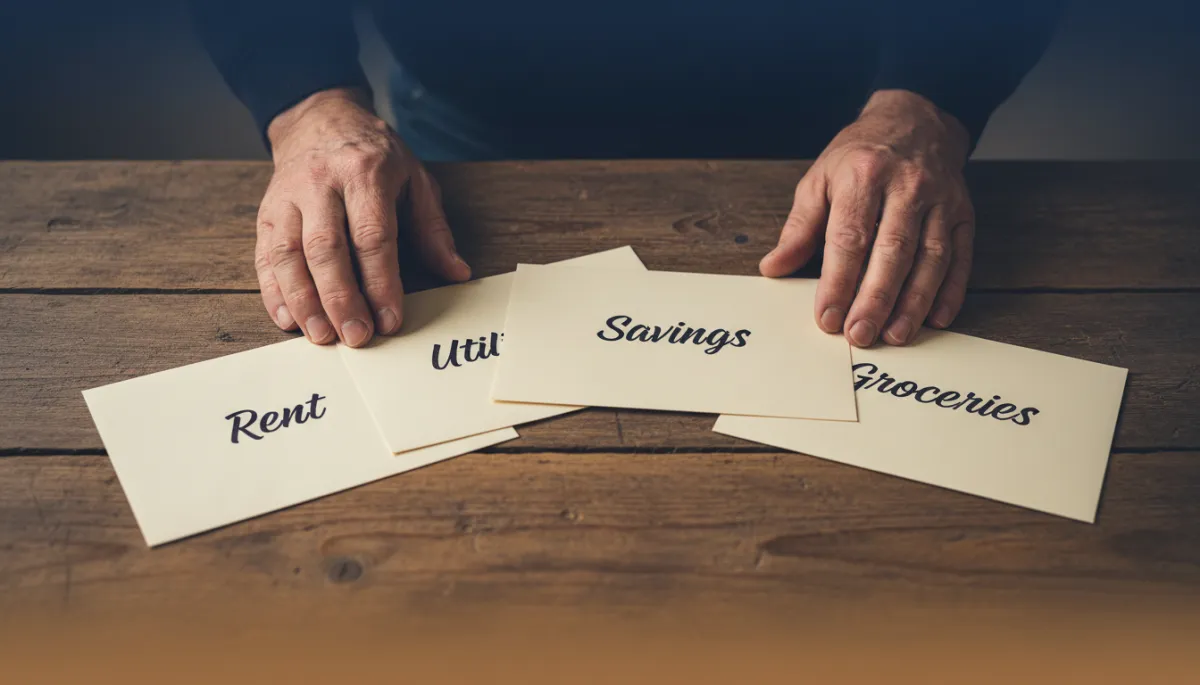
Simple visual systems make it easier to follow a plan month after month.
Cutting Costs Without Cutting Your Dignity
Many guides on money management jump straight to “cut out everything fun.” That approach rarely works for long, and it overlooks the reality that joy, connection, and small comforts matter—especially for those living with service-connected injuries, chronic pain, or mental health challenges. Instead of stripping your life down to bare survival, focus on trimming or restructuring the expenses that do not truly serve you anymore.
Start with the Big Three: Housing, Transportation, and Food
When trying to stop living paycheck to paycheck on VA Benefits, small cuts to coffee or streaming services help—but major progress often comes from rethinking the largest categories:
Housing: Explore whether downsizing, taking on a roommate, or using VA-backed home loan options could reduce your overall housing burden. Even a modest reduction in rent or mortgage can free up meaningful cash each month.
Transportation: Consider whether a high car payment, expensive insurance, or frequent rideshare trips are draining your VA Benefits. A paid-off, reliable used vehicle or increased use of public transit can shift hundreds of dollars back into your budget each month.
Food: Groceries and takeout often blur together. Planning simple meals, buying in bulk when possible, and reserving restaurant visits for specific occasions can significantly reduce this cost without eliminating enjoyment entirely.
Use Your Veteran Status Strategically
Your service gives you access to discounts, programs, and resources that can support your financial planning goals. From reduced-cost recreation to educational benefits and property tax relief in some states, these opportunities can lower expenses and create breathing room. The key is to view them not as handouts, but as tools that support your journey toward financial independence.
📌 Key Takeaway: Every dollar you do not have to spend is a dollar that can go toward savings, debt reduction, or future goals. Reducing expenses is not about deprivation—it is about redirecting your resources toward what matters most.
Building a Starter Emergency Fund—Even on a Tight VA Budget
One of the strongest tools to stop living paycheck to paycheck is an emergency fund. For many people on VA Benefits, the idea of saving three to six months of expenses feels completely unrealistic. Instead of aiming for a large number right away, focus on a starter goal—something small but powerful enough to break the cycle of crisis spending and high-interest debt when life happens.
Consider beginning with a target of $250 or $500. Set up an automatic transfer of even $10–$25 from each benefit deposit into a separate savings account. The amount may seem small, but the habit is what matters. Over time, that account becomes the buffer between you and the next unexpected expense—a flat tire, a copay, a broken appliance—that would otherwise send you scrambling to credit cards or payday lenders.
As your financial situation stabilizes, you can increase the automatic transfer and gradually build toward a larger cushion. This simple act of paying yourself first is a cornerstone of long-term money management and an essential step on the path to financial independence.
Tackling Debt Without Losing Momentum
Debt can make it feel impossible to get ahead, especially when VA Benefits are fixed and interest rates are high. Yet it is possible to make progress without sacrificing stability. The key is to balance debt repayment with your need for a small emergency fund and a livable budget—otherwise, you may end up relying on new debt every time something goes wrong.
Choose a Focused Repayment Strategy
Two common approaches to debt repayment are the “snowball” and the “avalanche” methods. The snowball method prioritizes the smallest balance first, building quick wins and motivation. The avalanche method targets the highest interest rate first, saving the most money over time. Neither is right or wrong; what matters is choosing the one you are most likely to stick with consistently.
List all debts with balances, minimum payments, and interest rates.
Continue paying minimums on all accounts to avoid fees and damage to your credit.
Direct any extra money—no matter how small—toward one targeted debt until it is paid off, then move that freed-up payment to the next debt.
Explore Support and Relief Options
In some cases, veterans may qualify for special programs, hardship arrangements, or lower-interest consolidation options. Nonprofit credit counseling agencies, legal aid organizations, and veteran-focused financial assistance programs can help you explore whether any of these tools fit your situation. The goal is to reduce the weight of debt enough that your monthly VA Benefits can stretch further and support your broader financial planning goals.
💡 Pro Tip: Be cautious of for-profit “debt relief” companies that promise quick fixes in exchange for high fees. Look for nonprofit or veteran-serving organizations that prioritize your long-term stability over their own profit.
Creating New Income Streams Around Your Abilities and Limits
While the focus of this guide is on how to stop living paycheck to paycheck on VA Benefits, additional income can dramatically accelerate your progress. The challenge is finding options that respect your health, energy, and obligations. Side work does not need to be full-time or physically demanding to make a meaningful difference—an extra $100–$200 per month can help you build savings, reduce debt, or cover irregular expenses without stress.
Depending on your situation, possibilities might include:
Remote or flexible part-time work, such as customer support, tutoring, or administrative assistance
Freelance or contract work drawing on your military skills—logistics, training, leadership, or technical expertise
Small-scale home-based services, such as repairs, consulting, or creative work, within your physical capacity
Before taking on any new work, it is important to understand how additional income might interact with specific VA programs or other benefits you receive. In some cases, earned income does not affect disability compensation, but it may interact with needs-based benefits. When in doubt, consult official VA resources or a qualified benefits counselor to avoid unintended consequences.
Money Management Habits That Support Long-Term Stability
Tools and strategies matter, but everyday habits are what ultimately change your financial reality. To move from surviving on VA Benefits to building financial independence, consider gradually adopting a few core practices:
Weekly money check-ins: Spend 10–15 minutes once a week reviewing your accounts, upcoming bills, and spending. This small ritual helps you stay ahead of problems instead of discovering them too late.
Automatic transfers: Automate savings and bill payments where possible so that your most important priorities are handled before money can drift elsewhere.
Pause-before-purchase rule: For non-essential items, wait 24 hours before buying. This simple pause can dramatically reduce impulse spending and keep your budget aligned with your values.
None of these habits require perfection. Missing a week, skipping a transfer, or making an unplanned purchase does not erase your progress. What matters is returning to the habits more often than you drift away from them. Over time, they quietly transform how you relate to your VA Benefits, your bills, and your goals.
Redefining Financial Independence on Your Terms
Financial independence does not have a single definition. For some, it means never needing to work again. For others, especially those living on VA Benefits, it might mean something more personal and immediate: not panicking when the car makes a strange noise, not choosing between medication and groceries, not feeling trapped by every unexpected bill. Independence can begin with small freedoms and grow from there.
As you apply these budgeting tips, improve your money management habits, and make intentional choices about spending, saving, and debt, your relationship with your benefits will shift. Instead of seeing VA Benefits as barely enough to survive, you may begin to view them as a reliable foundation for a more stable, more flexible life. Each small step—an extra $50 in savings, one less bill in collections, a month where you do not rely on credit—moves you further from the paycheck-to-paycheck edge and closer to your version of financial independence.
Putting It All Together: A Practical Path Forward
The journey to stop living paycheck to paycheck on VA Benefits does not happen in a single month or with one perfect budget. It unfolds through a series of manageable actions, repeated over time, adjusted as your circumstances change. You do not have to implement everything at once. You can start where you are, with what you have, and build from there.
Clarify your VA Benefits and other income sources, including exact amounts and deposit dates.
Track one month of spending to understand your current patterns and identify your biggest pressure points.
Create a simple three-bucket budget—essentials, responsibilities, and quality of life—and align major bills with your benefit deposits where possible.
Begin a small, automatic contribution to an emergency fund, even if it is only a few dollars per deposit.
Choose a debt repayment strategy that fits your personality and stick with it, while exploring any veteran-specific support options.
Consider safe, realistic ways to earn a bit of extra income that respect your health and obligations, if that feels appropriate for your situation.
Along the way, give yourself permission to learn, adjust, and try again. Financial planning is not a test you either pass or fail; it is an ongoing process of aligning your money with your values and your reality. With patience, practical tools, and the steady foundation of your VA Benefits, you can move beyond the constant stress of living paycheck to paycheck and begin building a life defined by greater choice, security, and independence.
📌 Ready for one-on-one support? If you want help creating a plan tailored to your VA Benefits, your health, and your goals, consider working with a financial coach who understands the unique challenges veterans face. Visit https://sh-anna-lytics.com/financial-coaching to explore personalized coaching options and take your next step toward stability and independence.