

Strength Training vs Cardio for Veterans
Fitness, Strength Training, Cardio, Veteran Health
Strength Training vs Cardio: What Veterans Should Focus On
Navigating fitness after military service can feel confusing. You know staying active matters, but when time and energy are limited, you might wonder: should you put more focus on strength training or cardio? In this friendly guide, we’ll walk through the strengths of each approach, how they support health for veterans specifically, and how to build a balanced plan that fits your body, your goals, and your life now—not 10 or 20 years ago in uniform.
Why Fitness Feels Different After Service
If you served, you already know what it’s like to train hard: early morning runs, ruck marches, push-ups, and physical fitness tests. But veteran fitness after separation is a different mission. You may be managing joint pain, old injuries, sleep issues, stress, or changes in weight and energy. That doesn’t mean your best fitness days are behind you—it just means your strategy needs to evolve.
Instead of training to meet a uniform standard, you’re training for quality of life: playing with your kids or grandkids, passing medical checkups, staying independent, and feeling strong in your own body. The question “Strength training vs cardio: which is better?” really becomes “What workout focus gives me the biggest return for my time and supports long-term health for veterans like me?”
💡 Friendly Reminder: There’s no “one right way” to train as a veteran. The best plan is the one you can stick with consistently and safely.
Strength Training: Your Armor for Aging Well
Strength training isn’t just for bodybuilders or powerlifters. For veterans, it can act like armor for your joints, bones, and metabolism. As we age, we naturally lose muscle mass and strength—a process called sarcopenia. This loss can speed up if you’ve had long layoffs from exercise or are dealing with chronic pain. The good news is that strength training directly fights this decline, even if you’re starting in your 40s, 50s, or beyond.
Key Benefits of Strength Training for Veterans
Protects joints and reduces pain: Stronger muscles support your knees, hips, shoulders, and back, which can ease stress on old injuries from rucks, jumps, or heavy loads during service.
Improves balance and stability: Strength work trains the small stabilizing muscles that help you stay steady, reducing the risk of falls as you age.
Boosts metabolism: Muscle tissue burns more calories at rest than fat tissue, making it easier to manage weight even when life gets busy.
Supports bone health: Lifting weights or using resistance bands puts healthy stress on your bones, helping maintain bone density and lowering the risk of osteoporosis.
Builds functional strength: Strength training makes everyday tasks—carrying groceries, climbing stairs, doing yard work—feel easier and safer.
When we talk about strength training for veteran fitness, we’re not talking about max bench presses or competing with your younger self. We’re talking about controlled, pain-free movements that gradually challenge your muscles: squats to a box, push-ups (even on a wall or bench), rows with dumbbells or bands, and simple core exercises to support your spine. This style of training can be scaled up or down for almost any ability level.
💡 Pro Tip: If you have joint pain, think “slow and controlled” instead of “fast and explosive.” Quality reps beat high intensity when you’re rebuilding strength.
Cardio Benefits: Training Your Most Important Muscle
While strength training protects your muscles and joints, cardio (or aerobic exercise) is all about your heart, lungs, and circulation. For many veterans, especially those dealing with high blood pressure, cholesterol issues, or extra weight, the cardio benefits are too important to ignore. Cardio doesn’t have to mean long-distance running; it simply means any activity that raises your heart rate for a sustained period.
Why Cardio Matters So Much for Health for Veterans
Heart and lung health: Regular cardio strengthens your cardiovascular system, making everyday activities feel less tiring and lowering your risk of heart disease—the leading health concern for many adults, including veterans.
Blood pressure and cholesterol: Cardio can help reduce blood pressure and improve cholesterol levels, especially when combined with healthy eating and stress management.
Mood and mental health: Aerobic exercise triggers the release of feel-good chemicals like endorphins and can help ease symptoms of stress, anxiety, and depression—issues many veterans know all too well.
Weight management: Cardio burns calories during the workout, helping with fat loss and overall weight control when paired with a reasonable diet.
Energy and stamina: Over time, you’ll notice daily tasks feel easier, and you can do more without needing to sit down and catch your breath.
The best part? Cardio can be simple and joint-friendly. Brisk walking, cycling, swimming, rowing, or using an elliptical can all deliver powerful cardio benefits without pounding your knees or back. If running or high-impact work reminds your body too much of military PT, give yourself permission to choose lower-impact options that feel better now.
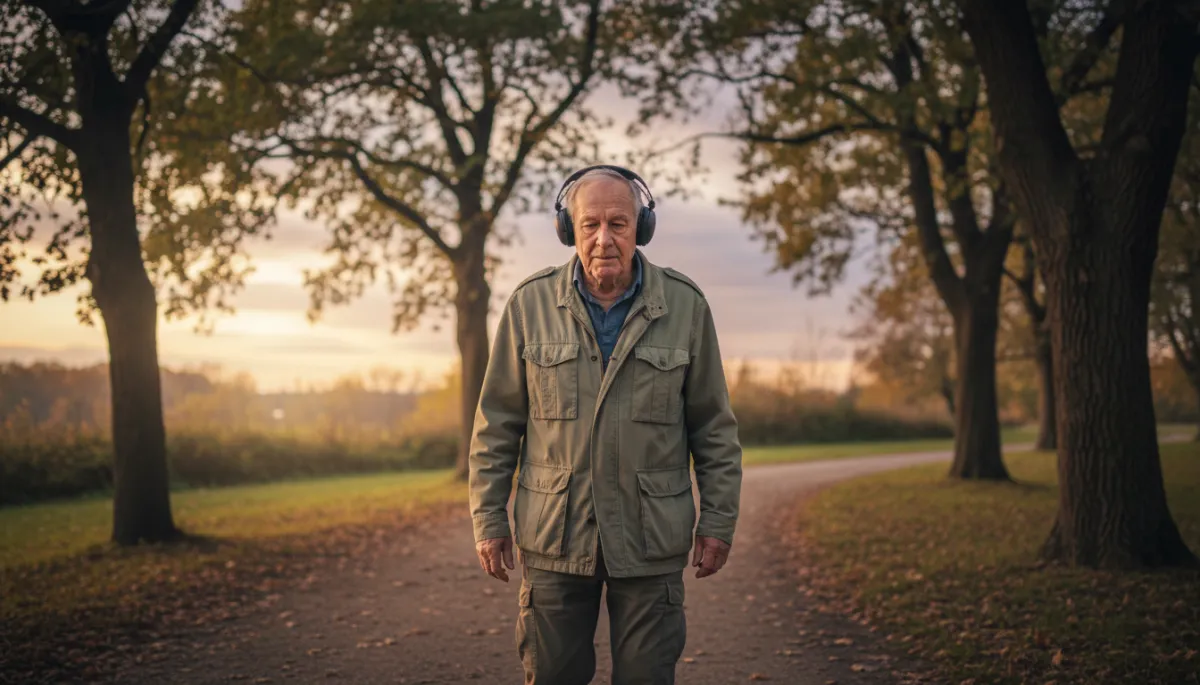
Even a daily walk can deliver meaningful cardio benefits and support mental health.
Exercise Comparison: Strength Training vs Cardio Side by Side
When you compare strength training and cardio, it’s tempting to ask which one “wins.” The truth is, they work best as a team. Still, understanding how they differ helps you decide your workout focus based on your current goals and health status. Here’s a simple exercise comparison to guide your thinking:
Goal Strength Training Focus Cardio Focus Joint support and pain reduction High priority: build muscle to protect joints Moderate: choose low-impact options Heart health and stamina Helpful but secondary Essential: aim for regular sessions Weight loss and body composition Builds muscle to support long-term fat loss Burns calories and improves daily energy use Everyday strength and independence Crucial: supports lifting, carrying, and mobility Helpful: keeps you from getting winded easily
Looking at this exercise comparison, you can see that neither style of training is “better” in every category. Instead, they cover different pieces of the veteran fitness puzzle. Strength training shines for joint support, muscle, and functional strength. Cardio shines for heart health, stamina, and mood. The magic happens when you blend both in a way that fits your body and schedule.
Choosing Your Workout Focus by Life Stage and Condition
Your ideal workout focus will change over time. A veteran in their 30s with minimal joint pain and a desire to run races will need a different balance than a veteran in their 60s managing arthritis and high blood pressure. Let’s explore a few common situations and how to tilt the balance between strength training and cardio benefits.
Scenario 1: “I’m Stiff, Sore, and Out of Practice”
If it’s been a while since you exercised seriously, and you feel stiff or achy, starting with gentle strength training and light cardio is a smart move. Try:
Strength: Two to three days per week of full-body strength training using bodyweight, machines, or light dumbbells.
Cardio: Short, low-impact sessions—like 10–20 minutes of walking or cycling—most days of the week.
Here, your workout focus is gently rebuilding strength and movement quality while giving your heart and lungs a consistent but manageable challenge. Think “easy wins,” not all-out effort.
Scenario 2: “My Doctor Wants Me to Work on Heart Health”
If your main concern is blood pressure, cholesterol, or cardiovascular risk, cardio should take the lead, while strength supports the mission. A simple approach:
Cardio: Aim for at least 150 minutes per week of moderate-intensity cardio (like brisk walking) or 75 minutes of more vigorous activity, broken into manageable chunks.
Strength: Two sessions per week focusing on major muscle groups to support joints and metabolism.
In this case, the cardio benefits directly support health for veterans facing heart-related concerns, while strength training makes it easier to stay active long term.
Scenario 3: “I Want to Drop Weight and Feel Strong Again”
If your goal is weight loss plus a return to feeling capable and athletic, a balanced mix is ideal. Try:
Strength: Three days per week of full-body strength training to build or maintain muscle and support long-term fat loss.
Cardio: Two to four days per week of moderate-intensity cardio, like walking, cycling, or intervals tailored to your current fitness level.
Here, strength training and cardio are partners. Strength protects your muscle while you lose fat, and cardio boosts calorie burn and heart health. This combination is one of the most powerful approaches in veteran fitness when the goal is a full-body reset.
Building a Simple, Sustainable Weekly Plan
To make all this more concrete, let’s put together a sample week that balances strength training and cardio benefits for a typical veteran looking to move better, feel healthier, and manage weight. Adjust the days and intensity based on your schedule and how your body feels.
Sample Veteran Fitness Week
Monday – Strength + Light Cardio
Full-body strength session (30–40 minutes): squats or leg presses, rows, push-ups or chest press, light core work. Follow with a 10–15 minute easy walk or bike ride as a cool-down.Tuesday – Cardio Focus
25–35 minutes of moderate-intensity cardio: brisk walking, cycling, or swimming at a pace where you can still talk but feel slightly challenged.Wednesday – Active Recovery
Gentle movement: an easy walk, stretching, or yoga. Think of this as “maintenance” for your joints and mind rather than a workout you have to push through.Thursday – Strength Focus
Another full-body strength session, possibly with small progressions: slightly more weight, one more set, or an extra rep or two if it feels good. Keep form and comfort as your top priorities.Friday – Cardio + Core
20–30 minutes of cardio plus a short core routine (planks, bird-dogs, dead bugs) to support your lower back and posture.Weekend – Flex Days
One day can be rest or light activity; the other can be another walk, hike, or recreational activity you enjoy—fishing, playing with kids, or working in the yard all count as movement.
💡 Friendly Check-In: If you’re doing something active most days of the week—without beating yourself up—you’re already winning the long-term health game.
Adapting Around Pain, Injuries, and Limitations
Many veterans carry physical reminders of their service: knee issues from rucks, back pain from heavy loads, shoulder problems from repetitive training, or even more serious injuries. That doesn’t mean strength training and cardio are off the table; it means they need to be adapted. A smart approach to health for veterans respects those realities instead of ignoring them.
If your knees hurt: Favor cycling, swimming, or elliptical for cardio. For strength, use supported squats (like sitting to a chair), leg presses with comfortable ranges of motion, and focus on glute and hip strength to take pressure off the knees.
If your back is sensitive: Choose walking or pool-based cardio, avoid heavy twisting, and use core exercises that don’t cause pain. For strength, try machines that support your torso and avoid heavy barbell loading until cleared by a professional.
If your shoulders are limited: Keep pressing movements in a pain-free range, use neutral grips (palms facing each other), and substitute push-ups on a wall or bench for floor push-ups if needed.
It can be helpful to work with a physical therapist or trainer familiar with veteran fitness, especially if you have service-connected disabilities. They can help you choose exercises that deliver the benefits of strength training and cardio without aggravating your injuries. Remember: pain is a signal, not a test of toughness. Listening to it is a sign of wisdom, not weakness.
Mindset Matters: From “Punishment” to “Maintenance”
Many veterans associate workouts with being smoked in formation or having to “earn” rest and food. In civilian life, that mindset can backfire. If every workout feels like punishment, it’s hard to stay consistent. Shifting your view of exercise—from something you have to endure to something that maintains your body—can make a huge difference.
Think of strength training as routine maintenance on your muscles and joints, like changing the oil in your vehicle. Cardio becomes maintenance for your engine and electrical system—your heart, lungs, and nervous system. You wouldn’t wait until your car is completely broken down to take care of it; the same logic applies to your body. A little regular effort now can prevent bigger problems later.
💡 Small Wins Strategy: On days when motivation is low, commit to just 10 minutes of movement. Often, once you start, you’ll naturally do more—but even if you don’t, you still kept your promise to yourself.
Putting It All Together: What Should Veterans Focus On?
So, in the debate of strength training vs cardio, what should veterans actually prioritize? The honest, friendly answer is: both matter, but your current health and goals determine which one leads the way. Here’s a simple way to decide your primary workout focus:
If joint pain, weakness, or feeling “fragile” are your biggest concerns, let strength training take the lead, with supportive low-impact cardio.
If heart health, stamina, or weight loss are front and center, let cardio take a slight lead, with two or more strength sessions each week to protect muscle.
If you want overall health for veterans—better labs, more energy, easier movement—a balanced blend of both is ideal.
No matter where you start, remember that consistency beats perfection. Three decent workouts every week for a year will take you much further than two “perfect” weeks followed by a month off. Your time in service taught you discipline and resilience; now you get to apply those strengths to taking care of your body in a kinder, more sustainable way.
Final Thoughts: Your Next Step Starts Small
You don’t need a perfect plan or fancy equipment to get started. You also don’t need to choose once and for all between strength training and cardio. Begin with what feels most approachable today. That might be a 15-minute walk, a few sets of bodyweight squats while holding onto a chair, or a short circuit of push-ups on the wall and light dumbbell rows. Each small step is a vote for your long-term health and independence.
As a veteran, you’ve already proven you can do hard things. This new chapter of veteran fitness doesn’t have to look like boot camp. It can be simpler, kinder, and more sustainable—built around your current reality and future goals. By combining the joint-protecting power of strength training with the heart-boosting cardio benefits of regular movement, you give yourself the best chance to stay strong, capable, and present for the people and activities you care about most.
If you’re unsure where to begin, consider checking in with your healthcare provider or a fitness professional familiar with health for veterans. Bring your questions, your concerns, and your goals. You don’t have to figure it all out alone—and you don’t have to do it perfectly to make real, meaningful progress.
Wherever you start, the most important thing is this: keep moving, keep listening to your body, and keep adjusting your workout focus as your life and needs change. Your service may be behind you, but your strength—inside and out—is still very much ahead.