
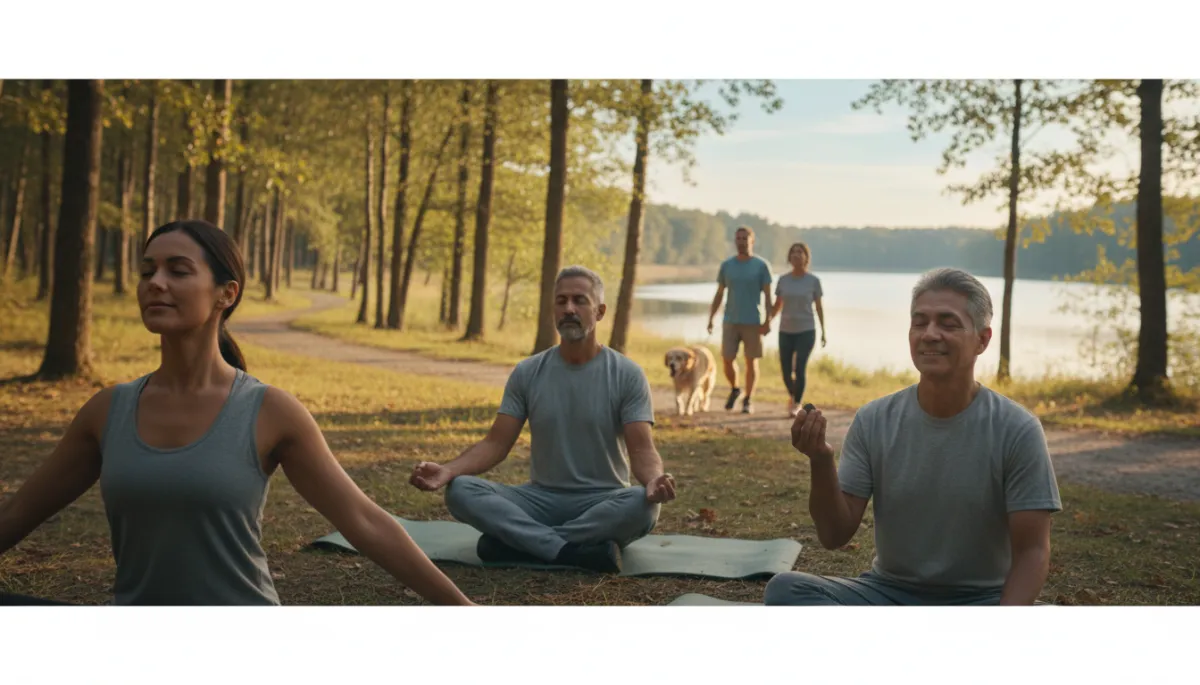
Effective Stress Management for Veterans
Mental Health, Veteran Support, Stress Management
Stress Management Techniques That Actually Work for Veterans
Life after military service can be incredibly rewarding, but it can also bring a unique kind of stress that many civilians simply don’t understand. If you’re a veteran feeling constantly on edge, exhausted, or stuck in “survival mode,” you’re not alone—and you’re not broken. In this guide, we’ll walk through practical, realistic stress management techniques designed with veterans in mind, so you can start feeling more in control of your mental health, relationships, and day-to-day life.
Why Stress Feels Different for Veterans
Stress is a normal part of being human. But for many veterans, stress can feel louder, heavier, and harder to shake. Years of training to stay alert, scan for threats, and push through pain can leave your nervous system stuck in overdrive, even when you’re technically “safe” at home. That constant tension might show up as:
Trouble relaxing, even in quiet or familiar places
Feeling irritable, angry, or “ready to snap” over small things
Sleep problems, nightmares, or waking up already exhausted
Avoiding crowds, loud noises, or situations that remind you of service
On top of that, you might be dealing with big life transitions—leaving a tight-knit unit, finding a new career, navigating family roles, or coping with injuries and PTSD. All of these can pile on, making stress management feel like just one more thing on an already overloaded plate. The good news: there are coping strategies that actually fit a veteran’s reality and respect what you’ve been through.
Step One in Stress Management: Understand Your Triggers and Signals
Before you can manage stress, it helps to know how it shows up for you. Veterans often minimize or ignore stress signals because they’re used to “sucking it up.” But paying attention doesn’t mean you’re weak—it means you’re tactical about your mental health. Think of it like reading the battlefield before making a move.
Common Stress Triggers for Veterans
Loud, sudden noises like fireworks, backfiring cars, or construction
Crowded spaces such as malls, concerts, or busy restaurants where you can’t easily see exits or surroundings
Anniversary dates of deployments, injuries, or losses
Media coverage of war, conflict, or disasters
How Your Body Tells You It’s Overloaded
Stress often shows up in the body before we consciously notice it. You might experience:
Tight jaw, clenched fists, or stiff shoulders and neck
Racing heart, shallow breathing, or feeling “wired but tired”
Upset stomach, headaches, or sudden fatigue after stressful moments
💡 Friendly Tip: For one week, keep a simple note on your phone: what stressed you, how your body reacted, and what helped, even a little. This mini “stress log” can guide which coping strategies will work best for you.
Grounding and Relaxation Techniques You Can Use Anywhere
When stress spikes, you need fast, realistic relaxation techniques that don’t require special equipment or a quiet mountain retreat. These stress management tools are simple, but they’re powerful when practiced regularly. Think of them as mental push-ups: the more you do them, the stronger your nervous system becomes.
1. Tactical Breathing (Box Breathing)
You may have learned a form of this in the service. Tactical breathing is one of the most effective coping strategies for calming your body in the moment. It helps dial down your fight-or-flight response and signals to your brain that you’re safe enough to stand down.
Inhale through your nose for a slow count of 4.
Hold your breath for a count of 4.
Exhale gently through your mouth for a count of 4.
Hold again for a count of 4. Repeat 4–6 times.
💡 Friendly Tip: Practice tactical breathing when you’re not stressed—while watching TV, waiting in line, or sitting in the car. That way, it’s easier to use when anxiety or PTSD symptoms flare up.
2. The 5–4–3–2–1 Grounding Exercise
When flashbacks, intrusive memories, or strong emotions hit, grounding helps bring you back to the present. This is especially useful in PTSD recovery, but it works for everyday stress too.
5 things you can see – Name them slowly: “blue chair, window, coffee mug…”
4 things you can touch – Feel your feet on the floor, your hands on your knees, the texture of your clothing.
3 things you can hear – A fan, traffic, birds outside, distant voices.
2 things you can smell – Coffee, soap, fresh air, your laundry detergent.
1 thing you can taste – Take a sip of water, chew gum, or just notice the taste in your mouth.
This simple exercise pulls your attention away from distressing thoughts and back into your body and surroundings, helping your nervous system settle.
3. Progressive Muscle Relaxation (PMR)
Many veterans carry tension without realizing it. Progressive muscle relaxation teaches your body the difference between “tense” and “relaxed,” making it easier to let go of stress. You can do this lying down or sitting in a comfortable chair.
Start with your feet. Gently tense the muscles for 5 seconds, then release for 10 seconds, noticing the difference.
Move up your body: calves, thighs, stomach, chest, hands, arms, shoulders, neck, and face.
PMR is one of those relaxation techniques that works best when practiced regularly, especially before bed to improve sleep—a huge part of mental health and stress management.
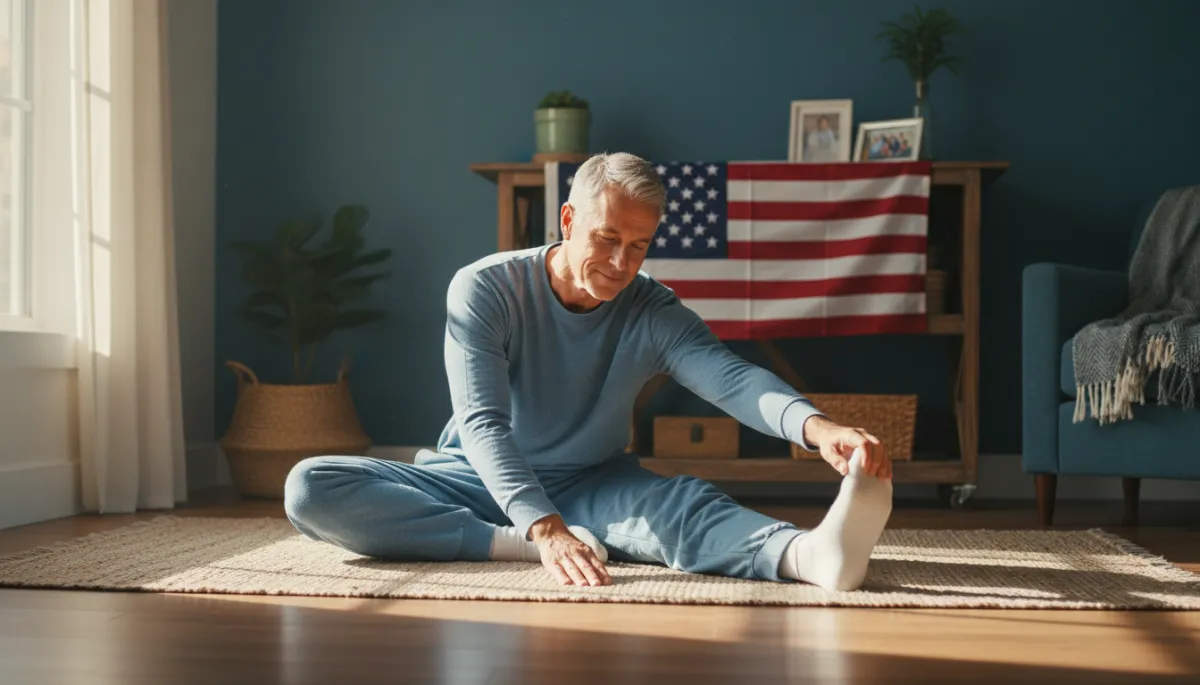
Gentle movement and breathing exercises help veterans release built-up tension safely.
Building Daily Coping Strategies That Actually Fit Your Life
Stress management isn’t just about what you do in a crisis. It’s also about the small choices you make every day that either refill your tank or drain it. The goal isn’t perfection—it’s building a lifestyle that supports your mental health instead of constantly working against it.
4. Create a Simple, Realistic Routine
Many veterans miss the structure of military life. A basic daily routine can bring back a sense of order and predictability, which helps lower stress and anxiety. It doesn’t have to be rigid—just consistent enough to give your brain a sense of rhythm and safety.
Wake up and go to bed around the same time each day, even on weekends.
Build in small anchors: morning coffee on the porch, a short walk after lunch, stretching before bed.
Schedule at least one thing each day that is just for you—reading, music, a hobby, or time with a pet.
5. Move Your Body, Even a Little
Physical activity is one of the most powerful tools for stress management and PTSD recovery. You don’t need to train like you did in the military. In fact, gentle, consistent movement is often more helpful than intense workouts, especially if you’re dealing with injuries or chronic pain.
Start with 10–15 minutes of walking a day. If being outdoors is triggering, try a treadmill or walking in a mall during quiet hours.
Explore low-impact options like swimming, stationary biking, or chair yoga if mobility is limited.
Pair movement with music or podcasts you enjoy to make it feel less like a chore and more like a break.
💡 Friendly Tip: If motivation is low, tell yourself you only have to move for five minutes. Once you start, you can stop if you want—but most people find they naturally keep going a bit longer.
6. Watch the Basics: Sleep, Fuel, and Substances
It’s hard to talk about mental health without touching on the basics. They’re not glamorous, but they matter more than most people think—especially when you’re already under stress.
Sleep: Aim for 7–9 hours if possible. Try a “wind-down” routine: dim lights, no news or social media right before bed, and use relaxation techniques like breathing or PMR to help fall asleep.
Food and hydration: Skipping meals or living on caffeine and sugar can make anxiety worse. Simple, steady meals and enough water help keep your mood and energy more stable.
Alcohol and substances: It’s common to use alcohol or other substances to numb stress or memories. But over time, they usually increase anxiety, depression, and sleep problems. If cutting back feels hard, that’s a sign you deserve extra support—not a sign of failure.
The Power of Veteran Support and Community Connection
One of the toughest parts of leaving the military is losing the built-in community that understood your world. Trying to handle stress alone can feel like fighting a battle without backup. Veteran support networks can be a game-changer, offering both emotional and practical help from people who “get it” without long explanations.
7. Connect With Other Veterans
You don’t have to spill your deepest feelings to benefit from being around other veterans. Sometimes just sitting in the same room with people who share your background can lower stress and help you feel less alone. Look for:
Local veteran organizations or service groups that host meetups, volunteering, or social events
Peer support groups focused on PTSD recovery, addiction, or transition to civilian life
Online communities or forums where you can connect on your own schedule and comfort level
💡 Friendly Tip: If walking into a new group feels intimidating, bring a trusted friend or family member the first time, or start with an online meeting where you can listen more than you talk.
8. Lean on Family and Friends—With Clear Communication
The people who care about you often want to help, but they might not know how. You can make it easier for them and for yourself by communicating what you need in specific, simple ways. For example:
“Crowded stores stress me out. Can we go at a quieter time or split the errands?”
“If I seem distant, it’s not about you. Sometimes I just need a few minutes alone to reset.”
“When I’m having a rough day, it helps if you just sit with me or go for a walk together.”
Clear, calm communication can reduce misunderstandings and bring your support system closer, which is a huge asset for long-term mental health and stress management.
Professional Help as a Strong Coping Strategy, Not a Last Resort
Many veterans are used to being the one others rely on. Reaching out for professional mental health support can feel unfamiliar or even uncomfortable. But therapy and counseling are some of the most effective coping strategies for veterans dealing with chronic stress, anxiety, depression, or PTSD. Asking for help isn’t a sign that you’re failing—it’s a sign that you’re serious about healing.
9. Therapy Options That Work Well for Veterans
Cognitive Behavioral Therapy (CBT): Helps you notice and change thought patterns that fuel stress, guilt, or hopelessness, and replace them with more balanced, realistic ones.
Trauma-focused therapies: Approaches like EMDR (Eye Movement Desensitization and Reprocessing) or prolonged exposure therapy can reduce the intensity of traumatic memories and PTSD symptoms over time.
Group therapy: Led by a trained professional, group sessions bring together veterans facing similar challenges, blending expert guidance with peer support.
Many therapists specialize in veteran support and military culture, which can make it easier to open up without having to explain every detail of your background. If the first provider you meet with doesn’t feel like a good fit, it’s completely okay to try someone else. Finding the right match is part of the process.
10. Using VA and Community Resources for Mental Health
You don’t have to figure everything out on your own. Depending on where you live, you may have access to:
VA mental health services, including counseling, medication management, and specialized PTSD recovery programs
Nonprofit organizations offering free or low-cost therapy, retreats, or support groups for veterans and their families
Crisis hotlines and text lines staffed by trained responders who understand veteran experiences
⚠️ Important Note: If you ever feel like you might harm yourself or someone else, reach out for immediate help through emergency services or a crisis line. You are not a burden, and your life is worth protecting—right now, exactly as you are.
PTSD Recovery: Healing Is Possible, Even If It Doesn’t Feel Like It
Post-traumatic stress disorder can make it feel like you’re stuck in the past, reliving moments you wish you could forget. But PTSD recovery is absolutely possible. It’s not about erasing what happened; it’s about loosening the grip those memories have on your daily life so you can move forward with more freedom and less fear.
11. Combining Daily Tools With Professional Treatment
The most effective PTSD recovery plans usually blend several elements:
Professional therapy to process trauma and learn new coping strategies tailored to your situation
Medication when needed, to help stabilize mood, sleep, or anxiety while you work on deeper healing (always under a provider’s care)
Daily stress management tools like breathing, grounding, and movement to manage symptoms in real time
Support network of peers, family, or spiritual communities who understand that recovery is a journey, not a straight line
12. Redefining Strength and Identity After Service
One of the most powerful parts of PTSD recovery and long-term stress management is redefining what strength means for you now. In the military, strength often meant pushing through pain and putting the mission first. In civilian life, strength can look like:
Setting boundaries that protect your mental health, even if others don’t always understand at first
Allowing yourself to feel and express emotions instead of locking them away until they explode
Asking for help when you need it and offering help when you can, creating a circle of support instead of trying to carry everything alone
Your service is a part of who you are, but it’s not the only part. You’re also a parent, partner, friend, coworker, neighbor, and individual with your own dreams and talents. Stress management and mental health care are about giving all those parts of you a chance to breathe and grow.
Putting It All Together: A Gentle, Practical Plan You Can Start Today
If this feels like a lot, that’s okay. You don’t need to change everything at once. Stress management works best when you start small and build up gradually. Here’s a simple way to begin:
Pick one quick relaxation technique—like tactical breathing or the 5–4–3–2–1 grounding exercise—and practice it once a day, even when you’re not overwhelmed.
Add one small daily habit that supports your mental health: a 10-minute walk, stretching before bed, or a no-phone “quiet time” with coffee in the morning.
Reach out to one source of support—a fellow veteran, a family member, a support group, or a mental health professional—and let them know you’re working on coping strategies and could use some backup.
Over time, these small steps add up. You may notice you bounce back from stressful moments a little faster, sleep a bit more deeply, or feel slightly more present with the people you care about. Those are real wins, even if they feel subtle at first.
A Final Word: You Deserve Peace, Not Just Survival
You’ve already done hard things. You’ve handled situations most people never face. Wanting less stress, more calm, and better mental health doesn’t erase your strength—it honors it. Stress management, healthy coping strategies, and PTSD recovery are not about becoming someone else; they’re about giving yourself the same care and protection you’ve given to others for years.
Whether you start with a single deep breath, a short walk, or a call to a support line, every step counts. You don’t have to walk this path alone. With the right relaxation techniques, veteran support, and daily coping strategies, it’s absolutely possible to move from constant survival mode toward a life that feels calmer, safer, and more your own—one day, one choice, one breath at a time.