

Strong Documentation for VA Disability Benefits
VA Disability, Strong Documentation, Benefits Application, Veteran Support, Claim Process, Disability Evidence
Why Strong Documentation Matters for VA Disability Benefits
If you are a veteran living with service-related health issues, your VA Disability claim is more than paperwork—it is your lifeline. And the single most powerful weapon you have in this fight is strong, clear, and complete documentation.
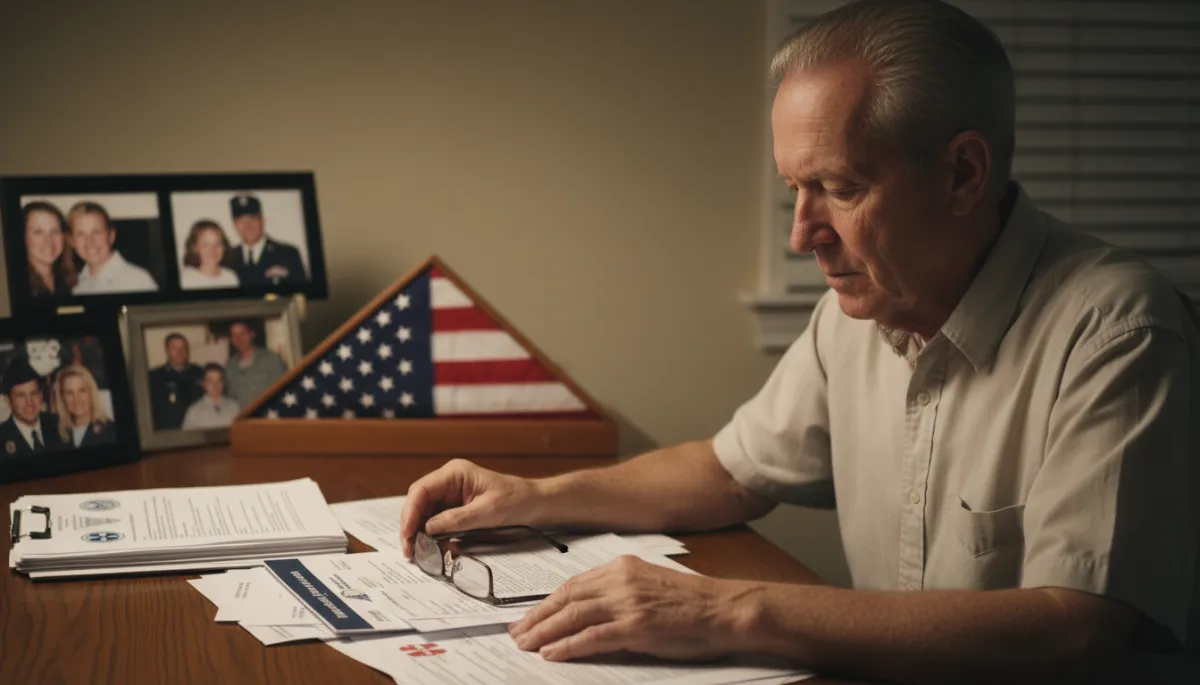
Your VA Disability Claim Rises or Falls on Documentation
Let us be blunt: the Department of Veterans Affairs does not award VA Disability benefits because your story is compelling, your sacrifice is obvious, or your pain is visible. It awards benefits because your file proves, in black and white, that you meet the legal standard. That proof is called disability evidence, and without it, the strongest claim will crumble.
You might know exactly how your injuries or illnesses are connected to your service, but the VA will not assume anything. The claim process is built around documents—service records, medical reports, test results, lay statements, and more. If it is not written down and in your file, the VA can and often will act like it does not exist. That is why strong documentation is not optional; it is the foundation of a successful benefits application.
What “Strong Documentation” Really Means
Strong documentation is not just a pile of papers. It is a focused, organized body of disability evidence that does three critical things:
Proves you have a current disability. Diagnoses, test results, treatment notes, and specialist opinions that confirm your condition is real, ongoing, and measurable.
Connects that disability to your service. Service treatment records, incident reports, deployment records, and medical opinions that link your condition directly to your time in uniform.
Shows how it impacts your life today. Functional limitations, work restrictions, mental health symptoms, and daily challenges that justify the rating you are seeking.
Weak documentation is vague, incomplete, and scattered. Strong documentation is sharp, specific, and impossible to ignore. It does not leave the VA guessing. It guides the rater step by step to the only reasonable conclusion: you qualify for the VA Disability benefits you are asking for.
Why Documentation Matters at Every Stage of the Claim Process
The VA claim process is not a single decision. It is a chain of decisions, and documentation drives every one of them. From the moment you start your benefits application to the final rating decision, your evidence is being weighed, questioned, and judged. If your documentation is thin at any stage, you give the VA an easy excuse to delay, deny, or lowball your claim.
1. Starting the Application: Setting the Tone Early
When you first file for VA Disability, you are not just filling out a form—you are launching an official record. The VA will build your file around whatever you submit. If your initial documentation is sloppy or incomplete, you set a weak tone. If it is sharp and well-supported, you send a clear message: this veteran is prepared, serious, and backed by solid evidence.
Submitting detailed medical records, clear statements, and relevant service documentation up front can shorten the claim process and reduce the back-and-forth that drags cases out for months or years. Strong documentation from day one is a bold act of veteran support—support you give yourself by refusing to let your case be built on guesswork.
2. During Development: Filling the Gaps Before They Hurt You
After you file, the VA enters the “development” phase. They request records, schedule exams, and look for evidence. This is where weak documentation gets exposed. If your file is missing key pieces—like a nexus opinion linking your condition to service, or current treatment notes—the VA can easily conclude that your claim is not fully supported.
You do not have to sit back and hope the VA finds everything. You can—and should—actively build your own disability evidence. That means tracking down private medical records, requesting copies of service treatment records, and getting written opinions from your doctors that directly address the connection between your service and your condition. Strong documentation here slams the door on doubt and forces the VA to confront the full reality of your disabilities.
3. At Decision Time: Forcing the VA to See the Whole Picture
When a VA rater finally reviews your file, they are under pressure. They have caseloads, deadlines, and regulations to follow. They are not going to dig for evidence you did not clearly present. They will read what is in front of them and make a call. If your documentation is thin, they can legally deny or underrate you and move on. If your documentation is strong, detailed, and consistent, they have far less room to minimize your claim without making an obvious error.
In other words, strong documentation does not guarantee a perfect outcome—but it makes it much harder for the VA to ignore your reality. It turns your VA Disability claim from a “maybe” into a case that demands serious attention.
The Core Building Blocks of Powerful Disability Evidence
To build a strong VA Disability claim, you need more than a stack of random papers. You need targeted, strategic evidence that hits the VA’s legal requirements head-on. Here are the essential components you cannot afford to ignore.
1. Service Treatment Records and Personnel Records
Your service treatment records are the backbone of your claim. They show when you were treated, what you were treated for, and how your health changed during your service. Your personnel records can show where you served, what your duties were, and whether you were exposed to combat, hazardous conditions, or specific stressors.
If you are claiming a back injury, a mental health condition, hearing loss, or any other issue, you want those records to reflect the events or symptoms that started in service. If something is missing, you do not give up—you look for alternative documentation: buddy statements, unit records, line of duty reports, or deployment orders that support your story. Strong documentation does not fold when records are incomplete; it finds other ways to prove the truth.
2. Current Medical Records and Diagnoses
The VA is not paying you for what hurt in the past; it is paying for what limits you now. That means your current medical records must be airtight. Regular treatment notes, specialist evaluations, imaging results, lab tests, and mental health progress notes all matter. They show that your condition is ongoing, serious, and documented by professionals—not just described in your own words.
If you have been toughing it out without seeing doctors, you are undermining your own claim. The VA wants to see a clear medical trail. Getting consistent care is not weakness; it is strategic veteran support for your future. It strengthens your case and protects your right to fair compensation.
3. Nexus Opinions: The Critical Link the VA Looks For
One of the most powerful pieces of disability evidence you can have is a nexus opinion—a medical statement that clearly links your current disability to your military service. Phrases like “at least as likely as not” are not just words; they are legal triggers that can tip your VA Disability claim in your favor when the evidence is evenly balanced.
Do not assume the VA will automatically see the connection. Ask your treating physician, specialist, or a qualified independent medical professional to write a clear, well-reasoned opinion that explains why your condition is tied to your service. A strong nexus opinion is bold, direct, and backed by medical reasoning—not vague guesses or one-line notes.
4. Lay Statements: Your Voice and the Voices Around You
Lay statements—also called buddy statements or personal statements—are your chance to tell the story behind the medical records. Your own statement can explain how your condition started, how it has changed over time, and how it affects your daily life. Statements from family, friends, coworkers, or fellow service members can confirm what they have seen: your struggles with sleep, mobility, mood, memory, or pain.
These statements must be specific. “He has trouble walking” is weak. “He cannot stand for more than ten minutes without severe back pain and has fallen twice in the past six months” is strong. Precision turns personal stories into powerful disability evidence.

Detailed statements from you and your family can turn vague symptoms into undeniable proof.
5. Employment and Functional Impact Records
If your disabilities affect your ability to work, your documentation must prove it. Employer statements, performance reviews, attendance records, and records of accommodations or job changes can all show that your service-connected conditions are limiting your earning capacity. For claims involving unemployability (TDIU), this kind of documentation is absolutely critical.
Do not downplay your limitations at work. Being “tough” and hiding your struggles may have been necessary in uniform, but in the VA system, it can cost you hard-earned benefits. Strong documentation tells the unfiltered truth, even when it is uncomfortable.
Common Documentation Mistakes That Sabotage VA Disability Claims
Too many veterans lose time, money, and peace of mind because of avoidable documentation errors. If you want your benefits application to stand strong, you must avoid these traps with intention and discipline.
Relying only on VA exams. Compensation & Pension exams matter, but if you depend solely on them, you hand the VA full control of your narrative. Bring your own evidence to the table.
Submitting disorganized paperwork. Dumping random records into your claim without context forces the rater to do your job. Organize, label, and highlight what matters most.
Leaving gaps in treatment history. Long stretches with no medical visits make it easy for the VA to downplay your condition. Consistent care equals consistent proof.
Using vague or generic statements. “I have pain” is not enough. Describe when, where, how often, how severe, and how it limits you.
Assuming the VA already knows. The VA does not know what is not in the file. If it matters, document it. If it is documented, make sure it is submitted.
💡 Bold Reminder: Hope is not a strategy. Strong documentation is. If it is not on paper, it is not real to the VA.
Turning Documentation into a Strategy, Not an Afterthought
If you want a different outcome, you need a different approach. Treat your documentation like a mission, not a chore. Here is how to take control of your VA Disability evidence instead of letting it control you.
Step 1: Define Exactly What You Are Claiming
Before you gather a single record, decide what conditions you are claiming and why. Are you filing for PTSD, back pain, migraines, tinnitus, sleep apnea, or something else? Are you seeking an increased rating for conditions already service-connected? Clarity here drives every documentation decision you make. If you do not know your own objectives, your evidence will be scattered and weak.
Step 2: Map Out the Evidence You Need
For each claimed condition, ask three blunt questions:
Do I have clear medical proof that this condition exists today?
Do I have documentation connecting it to my service?
Do I have evidence showing how severely it impacts my life and work?
Any “no” answer is a documentation gap. That gap is a direct threat to your benefits application. Your job is to close those gaps with targeted veteran support—appointments, record requests, statements, and opinions that fill in the missing pieces decisively.
Step 3: Get Aggressive About Collecting Records
Do not wait for the VA to chase down every document. Request your own service treatment records and personnel records. Contact private doctors, hospitals, and clinics. If you were treated at urgent care centers or ERs, track down those records too. The more complete your file, the less room the VA has to shrug its shoulders and say, “We do not see enough evidence.”
Keep copies of everything. Label them. Create a simple timeline of your symptoms, treatments, and major events. When your documentation tells a clear, chronological story, you make the rater’s job easier—and you make it harder for them to deny what is right in front of them.
Step 4: Use Veteran Support Resources Without Hesitation
You do not have to walk this road alone. Veteran Service Organizations (VSOs), accredited representatives, and experienced advocates exist for a reason—to help you navigate the claim process and strengthen your documentation. They can spot weaknesses in your evidence, suggest additional records, and help you frame your statements in a way the VA understands and respects.
Reaching out for help is not a sign of weakness; it is a bold, strategic move. The VA system is complex by design. Leveraging professional veteran support is how you push back against that complexity and demand a fair shot.
Step 5: Prepare for Appeals with Documentation, Not Just Frustration
If your claim is denied or underrated, anger alone will not change the outcome. Appeals are won with stronger documentation, sharper arguments, and new evidence—not just louder complaints. Read the VA’s decision letter carefully. Identify exactly what they said was missing or unproven. Then attack those weaknesses directly with additional records, clarified nexus opinions, and more detailed statements.
Every appeal is another chance to tighten your case. Use it. Build the kind of file that forces the VA to reconsider, not because they feel bad, but because your documentation leaves them no room to hide behind doubt.
Your Story Deserves to Be Believed—Strong Documentation Makes That Happen
You carried the weight of service. You live with the consequences. VA Disability benefits are not charity; they are compensation you earned. But the VA system does not operate on fairness alone. It operates on evidence. That reality can feel cold, but you can use it to your advantage. When you build strong documentation, you turn your lived experience into undeniable proof. You transform your benefits application from a plea into a demand backed by facts.
Every record you request, every appointment you keep, every statement you write is an act of self-advocacy. It is you refusing to let your injuries be minimized or ignored. It is you insisting that your service—and your sacrifice—be recognized on paper and in your bank account.
📌 Key Takeaway: The VA does not guess. It decides based on the file. Make your file so strong, so complete, and so clear that the only reasonable outcome is approval at the rating you deserve.
Take the Next Bold Step for Your VA Disability Claim
If you are just starting your VA Disability claim, start strong. If you are stuck in the middle of the claim process, tighten your documentation now. If you are facing a denial, rebuild your case with sharper, heavier evidence. Wherever you are, you can raise the bar on your documentation today.
Pull your records. List your conditions. Identify your gaps. Reach out for veteran support. Demand detailed opinions from your doctors. Ask your family and battle buddies for specific, honest statements. Refuse to accept a weak file as your fate. Your documentation is your power—and you have every right to use it boldly.
The VA may control the decision, but you control the evidence they see. Build it with intention. Build it with courage. Build it so strong that your VA Disability benefits are not just possible—they are inevitable.
💡 Ready for expert help? Visit www.warriorbenefits.com to get support with your VA Disability documentation and claim strategy.