
Top Supplements for Veterans: What Works?
Health For Veterans, Veteran Supplements, Nutritional Support, Veteran Wellness
Top Supplements for Veterans (What Actually Works?)
Navigating the world of Veteran supplements can feel overwhelming. Between bold marketing claims, confusing labels, and real concerns about safety, it’s tough to know which are the best supplements for your health and which are just hype. This friendly guide walks through what actually has evidence behind it, what to watch out for, and how to use supplements as one part of a bigger Veteran wellness plan.
Before Anything Else: Food First, Supplements Second
Let’s start with something the U.S. Department of Veterans Affairs (VA) stresses over and over: supplements are meant to support your nutrition, not replace it. A balanced diet built around fruits, vegetables, whole grains, lean proteins, dairy or fortified alternatives, and healthy fats is still the foundation of good health for veterans.
That said, life after service can be complicated. Long shifts, chronic pain, PTSD, sleep problems, and medications can all make it harder to eat well every day. That’s where Nutritional support in the form of carefully chosen, effective supplements can help fill some gaps and support overall health for veterans.
📌 Key Takeaway: Think of supplements as backup players, not the starting lineup. Food, sleep, movement, and mental health care still do the heavy lifting for Veteran wellness.
What Actually Works? How to Judge Veteran Supplements
When we talk about the top supplements for veterans, we’re not talking about whatever is trending on social media this week. We’re looking at products with at least some solid research behind them, especially in areas many veterans care about: joint pain, sleep, mood, energy, heart health, and blood sugar control. The VA often leans on an independent database called Natural Medicines to rate how strong the evidence is for different supplements.
“Likely effective” means there’s reasonably strong evidence it helps for a specific condition.
“Possibly effective” means early research is promising but not rock-solid yet.
“Possibly ineffective” or “insufficient evidence” means you should be cautious about expecting much benefit.
💡 Pro Tip: The best supplements for veterans are the ones that match your specific health needs, have research behind them, and are safe with your medications. Always loop in your VA provider or pharmacist before you start anything new.
Foundational Nutrients: The Everyday Support Many Veterans Need
1. Vitamin D: Bone Strength, Mood, and Immune Support
Vitamin D deficiency is common in the general population and is often seen in veterans, especially those who spend a lot of time indoors, live in northern climates, or have darker skin tones. Vitamin D plays a key role in bone health, immune function, and may influence mood.
Why it matters for Veteran wellness: Supports strong bones (important if you’ve had physically demanding service), may help with low mood and immune health.
How to use it: Ask your provider about a blood test. If you’re low, they can recommend a safe dose tailored to you.
2. Omega-3 Fatty Acids: Heart, Brain, and Inflammation Support
Omega-3s (often from fish oil or algae oil) are among the most widely recommended Veteran supplements. They support heart health, may reduce inflammation, and some research suggests benefits for mood and cognitive function.
Why it matters: Many veterans are managing cardiovascular risk factors, chronic pain, or mental health challenges. Omega-3s may offer gentle support across all three.
Watch out for: Omega-3s can mildly thin the blood. If you’re on blood thinners or preparing for surgery, your provider needs to know.
3. Magnesium and B-Complex: Energy, Nerves, and Stress
Magnesium supports muscle and nerve function, sleep, and relaxation. B vitamins (especially B12, B6, and folate) are essential for energy production and nervous system health. Many people don’t get enough from diet alone, especially if appetite is low or meals are irregular.
Why it matters for Health for Veterans: May help with muscle tension, mild anxiety, and fatigue. B vitamins can also be important if you drink alcohol regularly or follow a restricted diet.
Friendly reminder: Too much magnesium (especially certain forms) can cause loose stools. Start low and go slow, and talk with your provider if you have kidney issues.
Targeted Support: Joint Pain, Sleep, and Metabolic Health
4. Glucosamine Sulfate for Joint Pain and Osteoarthritis
If years of ruck marches, PT, or physically demanding jobs have left your knees or hips aching, glucosamine sulfate is one of the more effective supplements with decent evidence behind it. The VA notes that glucosamine sulfate is “likely effective” for knee osteoarthritis, with studies showing about a 30–40% reduction in pain and 20–45% improvement in function over time.
Why it matters: Joint pain is a huge barrier to staying active, and movement is key to Veteran wellness. Less pain can mean more walking, stretching, and strength work.
Good to know: Benefits can take several weeks to show up, and not everyone responds. But it’s generally considered safe for long-term use (up to 3 years in studies).
5. Curcumin (Turmeric Extract) for Inflammation and Joint Comfort
Curcumin, the active component in turmeric, has anti-inflammatory properties and is often used for joint stiffness and general aches. While research is still emerging, many people report it helps them feel more comfortable, especially when combined with exercise and weight management.
Look for formulas with black pepper extract (piperine) or other technologies that improve absorption, and always take it with food.
6. Melatonin for Sleep Disturbances and Insomnia
Sleep problems are extremely common among veterans, especially those living with PTSD or chronic pain. The VA rates melatonin as “possibly effective” for primary insomnia. Studies show it can help people fall asleep about 12 minutes faster and slightly increase total sleep time.
Why it matters: Better sleep can improve mood, pain tolerance, blood sugar, and even weight management. It’s a quiet but powerful part of health for veterans.
Use tips: Start with a low dose (often 1–3 mg) 30–60 minutes before bed. Use it alongside good sleep habits, like a dark room and a regular bedtime.
⚠️ Warning: Melatonin can interact with certain medications, including blood thinners and immune drugs. Always check with your healthcare team, especially if you take multiple prescriptions.
7. Garlic, Milk Thistle, and Metabolic Support
Many veterans are managing high blood pressure, cholesterol, or type 2 diabetes. A few supplements have modest but potentially meaningful effects when combined with lifestyle changes and medications prescribed by your provider.
Garlic: Rated “possibly effective” for reducing atherosclerosis and modestly lowering total cholesterol and LDL. It may also lower blood pressure by a few points after at least 8 weeks of use.
Milk thistle: Labeled “possibly effective” for type 2 diabetes, with some studies showing a 1–1.5% drop in HbA1c over four months when used as an add-on to standard care.
These are not magic bullets, but they can be part of a broader nutritional support plan if your provider agrees they’re safe for you.
Gut, Immunity, and Recovery: Rounding Out Veteran Wellness
8. Probiotics for Digestive and Immune Health
Your gut health affects far more than digestion. It’s closely tied to immunity, inflammation, and even mood. Probiotics (beneficial bacteria) may help with digestive issues, antibiotic recovery, and overall wellness. The exact benefits depend on the strain and dose, so this is an area where talking with a dietitian or provider is especially helpful.
If you frequently have stomach trouble, IBS, or have been on several rounds of antibiotics, a targeted probiotic may be worth exploring as part of your Veteran wellness plan.
9. Protein Supplements for Muscle Maintenance and Recovery
Whether you’re working out regularly, trying to rebuild strength after an injury, or simply struggling to eat enough, protein powders and ready-to-drink shakes can be very practical Veteran supplements. They’re not fancy, but they’re often among the best supplements for real-life results: maintaining muscle, supporting recovery, and helping with appetite changes that can come with stress or medications.
Choose options with simple ingredients and limited added sugar. Whey, casein, and high-quality plant proteins (like pea or soy) are all reasonable choices, depending on your preferences and tolerances.
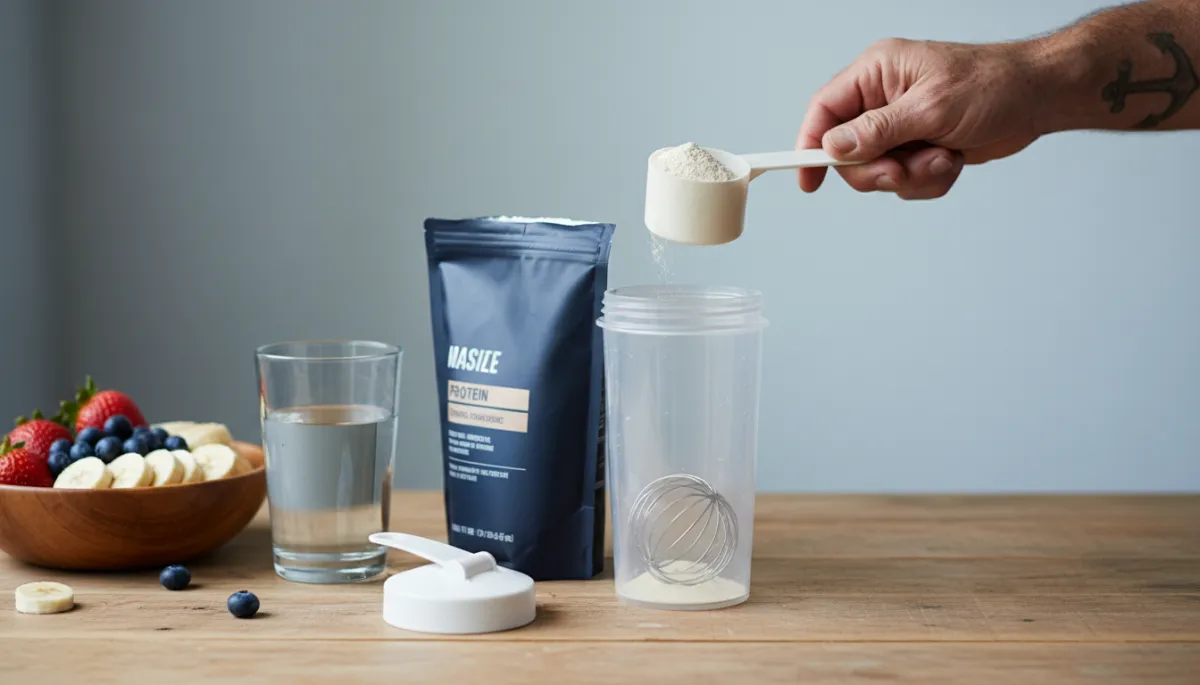
Simple, high-quality protein supplements can make everyday nutrition easier to manage.
Mental Health, Stress, and Energy: What to Consider Carefully
10. Ginseng and Rhodiola: Possible Energy and Mood Support
Panax ginseng is rated “possibly effective” for several things, including cold and flu prevention, mild fatigue, and sexual function at higher doses (around 1,400–2,700 mg). Some early research also hints at cognitive benefits and help with fatigue in certain conditions.
Rhodiola is another herb sometimes used for stress and fatigue. The evidence is still considered “insufficient,” but early studies suggest it may reduce fatigue and support mood over short periods (6–10 weeks).
If you try these: Use them short term, avoid taking them close to bedtime (they can cause insomnia), and definitely check for interactions with medications, especially those for blood pressure, mood, or blood sugar.
11. CBD Oil: Proceed With Caution and Guidance
CBD is often marketed for anxiety, pain, and sleep—issues many veterans know well. While some early research and personal stories are encouraging, there are big gaps in knowledge about long-term use, ideal dosing, and interactions with other medications. Quality control is also a major concern, and CBD products may contain variable amounts of THC or other compounds.
⚠️ Important: If you receive care or benefits through the VA, always talk with your care team before using CBD. They can help you understand potential legal, safety, and drug-testing implications in your situation.
Supplements to Skip or Treat as Red Flags
Not every bottle on the shelf deserves a place in your cabinet. Some products marketed as Veteran supplements or “performance boosters” are ineffective at best and dangerous at worst.
Saw palmetto: Once popular for prostate health, it’s now rated “possibly ineffective” for prostate enlargement and generally works worse than medications like finasteride.
Yohimbe: Labeled “possibly unsafe,” linked to serious side effects including heart rhythm problems and seizures. This is one supplement most veterans should avoid unless a specialist is closely supervising its use.
As a friendly rule of thumb, be skeptical of any product that promises overnight fat loss, instant muscle gain, or miracle cures for PTSD, chronic pain, or sexual performance. If it sounds too good to be true, it probably is.
Safety First: How to Choose the Best Supplements for Veterans
Look for Quality Seals and Transparent Labels
In the United States, the FDA does not tightly regulate supplements the way it does prescription drugs. That means quality can vary a lot from brand to brand. The VA encourages veterans to look for third-party testing seals such as:
USP (U.S. Pharmacopeia)
NSF International
ConsumerLab
These seals don’t guarantee a supplement will work for you, but they do mean the product has been checked for purity and that what’s on the label is more likely to match what’s in the bottle.
Talk Honestly With Your VA Health Team
Many veterans take multiple prescriptions for pain, mood, sleep, blood pressure, or diabetes. Adding supplements on top can create real interaction risks. The VA strongly encourages you to share a complete list of everything you take—including over-the-counter products, herbs, and vitamins—with your provider or pharmacist.
Bring bottles or a written list to appointments.
Ask specifically: “Do you see any problems with these supplements and my medications?”
Be open to adjusting doses or stopping products that don’t truly support your health for veterans goals.
Beyond Pills: Whole-Health Nutritional Support for Veterans
One of the most encouraging developments in recent years is the VA’s Whole Health approach. Instead of just treating diseases, Whole Health focuses on what matters most to you—your goals, values, and daily life—and builds a plan around that. Nutrition and supplements are one piece of this bigger picture.
VA Nutrition and Food Services offers counseling, meal planning, and support for managing chronic conditions with food.
Community partners like Feeding America also help veterans and military families address food insecurity, which is a vital part of real-world nutritional support.
When you combine these resources with carefully chosen, evidence-based Veteran supplements, you create a much stronger foundation for long-term Veteran wellness than pills alone can ever provide.
Pulling It All Together: Building Your Personal Supplement Plan
Start with your goals. Are you most focused on joint pain, sleep, energy, heart health, or blood sugar? Your top concerns should guide your supplement choices.
Pick a few targeted, effective supplements. For many veterans, a smart starter list might include vitamin D (if low), omega-3s, a quality protein supplement, glucosamine sulfate for joint pain, and melatonin for sleep—always approved by your provider.
Use quality brands with third-party testing. Look for USP, NSF, or ConsumerLab seals, and avoid products with long lists of stimulants or mystery “proprietary blends.”
Give it time—and track how you feel. Many effective supplements take weeks to show results. Keep a simple journal of pain levels, sleep quality, or energy so you can see whether something is really helping.
Review regularly with your care team. As your health and medications change, your supplement plan should change too. A quick review every few months can keep things safe and effective.
Final Thoughts: Respect Your Service, Support Your Health
You’ve already carried a lot—for your unit, your family, and your country. Choosing the best supplements for your situation is one small but meaningful way to honor that service by taking care of your body and mind now. When used wisely, Veteran supplements can offer real, evidence-based help with joint comfort, sleep, energy, and long-term health for veterans.
Remember, the most effective supplements are the ones that:
Fit your personal health goals and medical history
Are backed by solid research and recommended doses
Come from trustworthy brands with third-party testing
Are used alongside, not instead of, good food, movement, and mental health support
If you’re unsure where to start, consider booking a visit with a VA dietitian or Whole Health team member. Bring your questions, your supplement bottles, and your goals. Together, you can build a simple, realistic, and safe plan for Veteran wellness that respects both the science and your lived experience.