
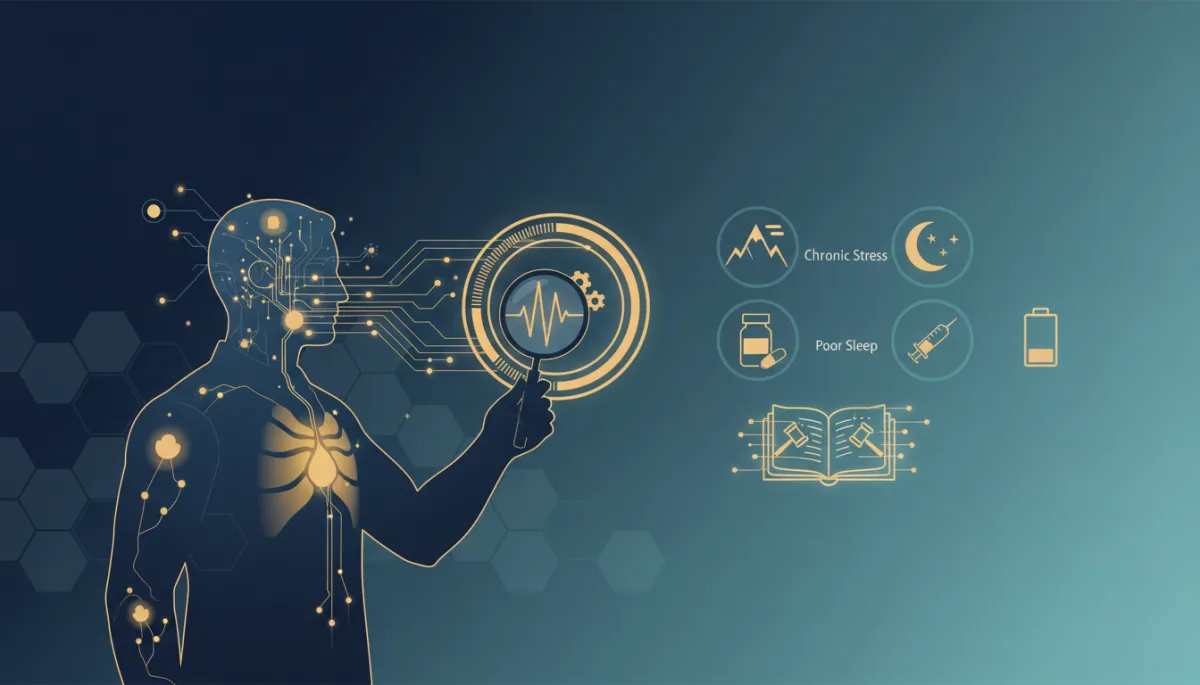
Veteran's Guide: Hormonal Health & VA Claims
Veteran Health, Hormonal Health, Testosterone, VA Claims
The Veteran’s Guide to Hormonal Health, Low Testosterone, and VA Claims
Many veterans quietly battle low energy, brain fog, poor sleep, irritability, and depression—often assuming these struggles are simply part of getting older or living with service-related injuries. Increasingly, evidence shows that for a significant number of veterans, hormonal imbalance, especially low testosterone, is a key part of the picture. This article explains what is happening physiologically, how it connects to chronic pain, opioids, and stress, and how to navigate both medical care and VA disability claims with a clear understanding of cause and effect.
The Conversation Many Veterans Need to Hear About Hormonal Health
Veterans are often told that their symptoms are “just PTSD,” “just depression,” or “just chronic pain.” Those diagnoses may be accurate and serious, but they are not the whole story for everyone. For some, an underlying hormonal problem—frequently low testosterone—amplifies or mimics these symptoms:
Persistent low energy, even with adequate rest
Brain fog, slower thinking, and difficulty focusing
Ongoing sleep problems or non‑refreshing sleep
Increased irritability, anger, or emotional volatility
Worsening depression or lack of motivation
These symptoms overlap heavily with PTSD and mood disorders, but they are also classic signs of hypogonadism (low testosterone). When hormonal health is ignored, veterans may cycle through medications and mental health treatments without ever addressing a root contributor to how they feel day to day.
📌 Key Takeaway: If you are a veteran living with low energy, brain fog, sleep issues, irritability, or depression—especially alongside chronic pain or long‑term medications—hormonal health deserves a serious, structured evaluation.
How Stress, Sleep, Medications, and Opioids Disrupt Hormones
Testosterone does not exist in isolation. It is part of a broader hormonal network that responds to your environment, stress level, sleep quality, pain, and medications. For many veterans, several of these factors converge at once:
Chronic Stress and Operational Tempo
Years of high alert, combat exposure, or constant readiness elevate stress hormones such as cortisol. Chronically high cortisol can interfere with the body’s ability to produce and regulate testosterone. Even after separation from service, the nervous system may remain “on guard,” keeping stress pathways activated and hormones out of balance.
Poor Sleep and Sleep Disorders
Testosterone is largely produced during deep, restorative sleep. Insomnia, fragmented sleep, nightmares, and sleep apnea—all common among veterans—can significantly reduce testosterone production. Night after night of inadequate sleep becomes a chronic hormonal stressor, not just a lifestyle inconvenience.
Medications and Opioid Use
Many medications used to treat service-connected conditions can influence hormones. Of particular concern are opioid pain medications. Long‑term opioid therapy is strongly associated with opioid‑induced androgen deficiency—a form of low testosterone caused by opioids disrupting the body’s hormonal control system. Research has shown that chronic opioid therapy can significantly reduce testosterone levels and contribute to fatigue, mood changes, reduced muscle mass, decreased libido, and loss of bone density.1–3

Long-term opioid therapy can quietly suppress testosterone and worsen fatigue and mood.
For veterans living with chronic pain from orthopedic injuries, blast trauma, or other service‑connected conditions, opioids may have been prescribed for years. Without targeted hormonal evaluation, the resulting testosterone deficiency can be missed or misattributed to “just the pain” or “just depression.”
💡 Pro Tip: If you have been on opioid pain medication for more than a few months and are experiencing low energy, low libido, or mood changes, specifically ask your clinician whether opioid‑induced hypogonadism has been considered and whether testosterone testing is appropriate.
Understanding the Hypothalamus–Pituitary–Gonadal (HPG) Axis
To understand how stress, sleep, and medications affect testosterone, it helps to know the basic physiology of the hypothalamus–pituitary–gonadal (HPG) axis—the hormonal communication system that controls testosterone production.
The hypothalamus (a region in the brain) releases gonadotropin‑releasing hormone (GnRH) in pulses. This is the “starter signal.”
GnRH tells the pituitary gland, a small gland at the base of the brain, to release luteinizing hormone (LH) and follicle‑stimulating hormone (FSH) into the bloodstream.
LH (and to a lesser degree FSH) travels to the testes, signaling them to produce testosterone.
This axis is sensitive. Chronic stress, poor sleep, traumatic brain injury, and certain medications—including opioids—can disrupt signaling at the hypothalamus or pituitary level, leading to reduced LH and, ultimately, low testosterone production. In some cases, the problem lies in the testes themselves; in others, the “command centers” in the brain are not sending the right signals.
VA regulations explicitly recognize that hormonal diseases can be secondary to brain injuries. Under 38 C.F.R. § 3.310(d), certain hormonal conditions are presumed to be related to a service‑connected moderate or severe traumatic brain injury if they arise within specified timeframes. Even when a presumption does not apply, understanding the HPG axis helps show how service‑related events—such as TBI, chronic pain, or long‑term opioid therapy—can plausibly disrupt hormone production.
Proper Diagnosis: Lab Work, Evaluation, and Ruling Out Other Causes
Because hormonal symptoms overlap with many other conditions, proper diagnosis is essential. A thorough workup typically includes:
Detailed history of symptoms, onset, and relation to pain, sleep, and medications
Review of all current and past prescriptions, especially opioids and psychiatric medications
Physical examination, including weight, blood pressure, and signs of hormonal deficiency (e.g., reduced body hair, decreased muscle mass)
Laboratory testing, often including:
Morning total testosterone (and in many cases free testosterone)
LH and FSH to assess pituitary signaling
Prolactin, thyroid function, and other markers as clinically indicated
The goal is not just to label testosterone as “low,” but to understand why it is low and whether the cause is potentially linked to service‑connected conditions, medications, or injuries. This is where careful documentation becomes critical—not only for treatment, but also for VA disability claims.
📌 Key Takeaway: Ask your provider for a clear explanation of your lab results and what they suggest about where the hormonal disruption is occurring—at the level of the brain, pituitary, or testes.
Testosterone Therapy: Benefits, Risks, and VA Considerations
Testosterone replacement therapy (TRT) can significantly improve quality of life for appropriately selected veterans. Studies in veteran populations have shown benefits in mood, energy, muscle mass, and bone density when therapy is carefully monitored.4–6 However, TRT is not a quick fix and not appropriate for everyone. It must be approached cautiously and legally.
Medical Caution and Comprehensive Oversight
Before starting TRT, clinicians should confirm consistently low testosterone levels on more than one morning test, correlate the results with symptoms, and rule out reversible causes where possible (such as untreated sleep apnea or certain medications). Once therapy begins, ongoing monitoring is essential:
Periodic testosterone levels to avoid excessively high dosing
Blood counts (hematocrit/hemoglobin) to monitor for thickened blood
Prostate‑related monitoring as recommended based on age and risk factors
TRT can be life‑changing when properly prescribed, but misuse—such as obtaining testosterone without prescription or using doses above medically indicated levels—can carry cardiovascular and other risks. Veterans should avoid “underground” or non‑medical sources of hormones, not only for safety but also because they undermine the credibility of any future VA claim related to hormonal health.
VA and Legal Considerations Around Testosterone Therapy
The VA does provide testosterone therapy when medically indicated, but access can vary by facility and provider. From a legal and benefits perspective, it is important to distinguish between:
The underlying hormonal condition (e.g., hypogonadism or hormonal disease), and
The treatment (testosterone replacement) and its effects or side effects.
In the context of VA disability, you may be entitled to compensation if the hormonal condition itself is directly related to service or is secondary to an already service‑connected disability (for example, a TBI, chronic pain condition treated with opioids, or another service‑connected disease that disrupted the HPG axis).
Cause and Effect in VA Claims: 38 C.F.R. § 3.310 and Allen v. Brown
To build a strong VA claim involving hormonal issues, it is essential to understand how VA views cause and effect. The key regulation is 38 C.F.R. § 3.310, which covers secondary service connection. Under this rule, a disability that is proximately due to or aggravated by a service‑connected condition can itself be service‑connected.
The landmark case Allen v. Brown, 7 Vet. App. 439 (1995), reinforced this principle. The Court held that when a nonservice‑connected condition is aggravated by a service‑connected disability, the veteran may receive compensation for the additional degree of disability caused by that aggravation. Later decisions, such as Walsh v. Wilkie, clarified that this “aggravation” does not need to be permanent to be compensable; what matters is the measurable increase in severity beyond the baseline.7–9
📌 Key Takeaway: For VA purposes, you do not need to prove that your hormonal problem started in service. You can also show that it was caused or worsened by an already service‑connected condition—such as TBI, PTSD, chronic pain, or long‑term opioid therapy.
Connecting Service-Related Conditions to Hormonal Issues in a VA Claim
To successfully obtain compensation, you must do more than state that you have low testosterone. You must clearly link the hormonal condition to your service‑connected disabilities. This typically involves three elements:
A current, well‑documented diagnosis of a hormonal condition (e.g., hypogonadism), supported by lab work and medical evaluation.
Evidence of an existing service‑connected condition (such as TBI, PTSD, chronic orthopedic injuries, or other disabilities).
A medical nexus opinion explaining how the service‑connected condition either caused or aggravated the hormonal problem.
For example, a veteran with service‑connected lumbar spine injuries and chronic pain might have been on long‑term opioid therapy. If lab work reveals low testosterone and an endocrinologist or knowledgeable clinician explains that the hypogonadism is at least as likely as not due to chronic opioid use for the service‑connected pain, that opinion directly supports secondary service connection under 38 C.F.R. § 3.310 and the principles in Allen.
Likewise, if a veteran with service‑connected TBI later develops a hormonal disorder recognized as potentially related to TBI under § 3.310(d), the regulation itself provides a framework for establishing that connection, especially when supported by expert medical evidence describing how the brain injury disrupted the hypothalamus or pituitary.
The Impact of Chronic Pain and Opioid Use on Testosterone Levels
Chronic pain does not just hurt; it changes how the brain and endocrine system function. Persistent pain signals keep the body in a stressed state, which can alter the HPG axis. When opioids are added, the impact on testosterone can be substantial. Research on opioid‑induced androgen deficiency shows that:
Long‑term opioid therapy can significantly suppress GnRH release from the hypothalamus, leading to reduced LH and decreased testosterone production.1–3
Men on chronic opioids have a high prevalence of hypogonadism, with associated fatigue, depression, sexual dysfunction, and reduced physical performance.
Bone density can decline over time, increasing fracture risk—an important consideration for veterans with existing orthopedic injuries.
For VA purposes, this is not just a medical curiosity. If your chronic pain condition is already service‑connected and you were prescribed opioids for that pain, the resulting hypogonadism can be argued as secondary to the service‑connected condition and its treatment. A well‑supported medical opinion that explains opioid‑induced hypogonadism and connects it to your service‑connected pain creates a strong basis for compensation under § 3.310 and Allen.
💡 Pro Tip: Ask your pain specialist or primary care provider to document, in writing, whether your long‑term opioid use is likely contributing to low testosterone, and ensure that this opinion is included in your medical record.
The Value of Outside Evaluation, Documentation, and Ownership of Health
VA clinicians work within a large system with significant demands. While many provide excellent care, hormonal issues may still be overlooked or attributed solely to mental health diagnoses. This is why outside evaluation can be valuable. An independent endocrinologist or hormone‑savvy clinician can:
Conduct a comprehensive hormonal workup, including tests that may not be routinely ordered in VA primary care
Provide a detailed written report linking your hormonal findings to chronic pain, TBI, medications, or other conditions
Offer an expert medical opinion that can be submitted as evidence in a VA claim or appeal
This does not place you in opposition to the VA; it simply means you are taking ownership of your health. Keep copies of all lab reports, consultation notes, and medical opinions. Organize them chronologically. When you file or supplement a claim, you can present a clear, documented story: your service‑connected condition, the treatments you received, the onset of hormonal symptoms, and the medical explanation tying them together.
Comprehensive Medical Oversight: Seeing the Whole Picture
Hormonal health should not be managed in isolation. A veteran with chronic pain, PTSD, sleep apnea, and low testosterone needs an integrated plan that addresses all of these components. Comprehensive oversight includes:
Coordinating between primary care, mental health, pain management, sleep medicine, and endocrinology when needed
Regularly reviewing medications to reduce unnecessary polypharmacy and consider alternatives to long‑term opioids when appropriate
Supporting lifestyle measures—such as improving sleep hygiene, nutrition, and physical activity—that naturally support hormonal balance
When testosterone therapy is part of the plan, it should be one piece of a broader strategy, not the sole intervention. The objective is to restore function, reduce suffering, and protect long‑term health, not simply to raise a lab number.
Asking Better Questions and Taking Proactive Steps
Veterans who achieve the best outcomes—both medically and in their VA claims—tend to be those who ask focused, informed questions and actively participate in their care. Consider bringing questions like these to your next appointment:
“Given my chronic pain and long‑term opioid use, have we evaluated me for opioid‑induced hypogonadism?”
“Can we review my testosterone, LH, FSH, and related labs together so I understand where the problem is occurring?”
“Do you think my low testosterone is at least as likely as not related to my service‑connected conditions or the medications prescribed for them?”
“Would an endocrinology referral or outside consultation help clarify the cause and best treatment plan?”
When you file a VA claim, frame your narrative around cause and effect. Explain how your service‑connected condition led to chronic pain, which led to long‑term opioid use, which then resulted in documented low testosterone and associated symptoms. Attach medical opinions and lab results that support each link in the chain. This approach aligns directly with 38 C.F.R. § 3.310 and the reasoning in Allen v. Brown.
Final Thoughts: Owning Your Hormonal Health and Your Claim
Hormonal health is not a luxury topic. For many veterans, it is a missing piece in understanding why life feels heavier, slower, and more exhausting than it should. Low energy, brain fog, sleep problems, irritability, and depression are serious concerns on their own. When they are compounded by low testosterone—especially in the context of chronic pain, opioid use, TBI, and long‑standing stress—the impact on daily functioning can be profound.
You have the right to full evaluation, to clear explanations, and to evidence‑based treatment. You also have the right, under VA law, to seek compensation when your hormonal problems are caused or aggravated by service‑connected conditions. Regulations like 38 C.F.R. § 3.310 and decisions such as Allen v. Brown exist to recognize these secondary effects and ensure they are not ignored.
Taking ownership means asking better questions, seeking comprehensive lab work, considering outside evaluation when necessary, and carefully documenting how your health has changed over time. It means working with clinicians who see the whole picture—not just a single diagnosis—and who are willing to connect the dots between your service, your treatments, and your current hormonal status.
If you recognize yourself in these descriptions, the next step is not to accept feeling this way as your “new normal.” The next step is to start a deliberate conversation with your healthcare team about hormonal health, request the appropriate testing, and, where warranted, pursue both treatment and rightful compensation. You have already done the hard work of service. You deserve a thorough, informed approach to restoring your health and quality of life now.