
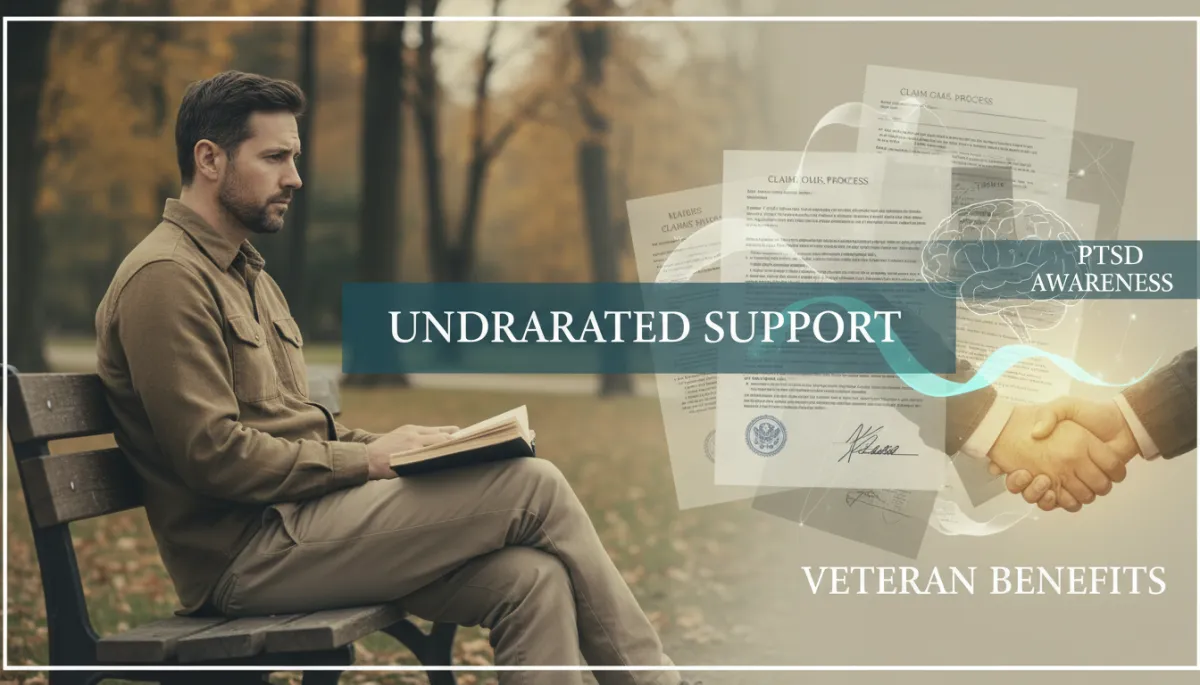
Why Veterans' Mental Health Claims Are Underrated
Veterans, Mental Health, Claims Process, Veteran Benefits
Why Most Veterans Get Underrated for Mental Health Claims
Many veterans leave the military expecting that the country they served will stand firmly behind them, especially when it comes to mental health. Yet far too often, their mental health claims are underrated, delayed, or denied. Understanding why this happens is the first step toward getting the support, PTSD awareness, and veteran benefits they have earned.
The Hidden Cost of Service: Mental Health in the Veteran Community
Military service can leave invisible scars. Combat exposure, high-stress environments, repeated deployments, and time away from family can all take a significant toll on mental health. Conditions such as post-traumatic stress disorder (PTSD), depression, anxiety, moral injury, and substance use disorders are common among veterans, even if they are not always openly discussed.
Despite growing PTSD awareness and public conversation about mental health, many veterans still struggle in silence. Cultural expectations of toughness, loyalty to their unit, and fear of career consequences while in service often keep them from seeking help early. By the time they file a mental health claim, their condition may be complex, poorly documented, and difficult to evaluate using standard disability rating tools. This is one of the reasons mental health claims are so often underrated compared with the actual day-to-day impact on a veteran’s life.
How the Mental Health Claims Process Is Supposed to Work
To understand why so many veterans receive lower ratings than they expect, it helps to know the basic structure of the mental health claims process. In broad terms, a successful claim for a mental health condition usually requires three core elements:
A current, diagnosed mental health condition (such as PTSD, major depressive disorder, or generalized anxiety disorder)
Evidence of an in-service event, stressor, or pattern of experiences that could reasonably cause or worsen that condition
A medical nexus, meaning a professional opinion connecting the current condition to the veteran’s service
Once those elements are established, the agency responsible for veteran benefits assigns a disability rating. For mental health conditions, this rating is typically expressed as a percentage based on how severely the condition interferes with work, relationships, and daily living. In theory, this system is designed to be fair and standardized. In practice, it often falls short, especially for invisible injuries that do not show up on an X-ray or lab test.
Why Mental Health Claims Are So Often Underrated
1. Invisible Symptoms Are Harder to Measure
Physical injuries can be photographed, scanned, or observed. Mental health symptoms are more subjective. A veteran may experience panic attacks, nightmares, hypervigilance, or emotional numbness, but these symptoms do not always appear during a brief evaluation. A compensation and pension (C&P) examiner may only see a veteran for an hour or less. If that veteran has learned to “hold it together” in professional settings, the examiner may underestimate the true level of impairment and assign a lower rating than is warranted.
2. Military Culture Discourages Open Discussion of Mental Health
Many veterans were conditioned to downplay pain, avoid complaining, and keep personal struggles private. This mindset, while often necessary in uniform, can work against them in the claims process. During evaluations, veterans may minimize their symptoms, describe severe issues as “not that bad,” or focus on what they can still do instead of what they can no longer manage. Unfortunately, the rating system relies heavily on what is said and documented. If a veteran understates their challenges, their mental health claim will likely be underrated, even when their daily reality is far more difficult than the paperwork suggests.
3. Incomplete or Inconsistent Documentation
Documentation is the backbone of the mental health claims process. Yet many veterans do not seek treatment while in service, either because of stigma, fear of career repercussions, or a belief that they should “push through.” As a result, their service records may not clearly show mental health concerns. After discharge, life circumstances, lack of access, or frustration with the system can lead to gaps in treatment records. When examiners and decision-makers see limited notes, missed appointments, or long breaks in care, they may conclude that the condition is less severe than it truly is, leading to an underrated decision.
4. Complex Conditions Don’t Fit Neatly into Rating Criteria
Many veterans live with more than one mental health condition. A single individual might experience PTSD, depression, and a substance use disorder at the same time. They may also have physical injuries that interact with their mental health, such as chronic pain feeding into insomnia and irritability. Rating schedules are structured in categories, but real lives are not. When symptoms overlap, it can be difficult to capture the full picture of impairment. In some cases, overlapping conditions are combined into a single rating that does not fully reflect the total impact on work, relationships, and functioning, resulting in underrated support and benefits.
5. Limited Time and Varying Expertise in Examinations
Examiners are human. They may be highly skilled, but they are also working under time constraints and heavy caseloads. Not all examiners have the same level of experience with military culture, combat trauma, or moral injury. An evaluator with limited background in these areas may unintentionally misinterpret how severe certain symptoms are, or may not ask follow-up questions that would reveal the depth of a veteran’s challenges. This can translate directly into a lower rating than the veteran deserves, even when the examiner is acting in good faith.
6. Misunderstanding of Work and Social Impairment
Many rating decisions hinge on how mental health symptoms affect occupational and social functioning. However, veterans often go to great lengths to maintain employment or relationships, even at a personal cost. They may work long hours but collapse emotionally at home, or maintain a marriage while feeling emotionally distant and disconnected. Decision-makers sometimes interpret continued employment or family stability as proof that a condition is mild, without fully appreciating the enormous effort it takes to keep those pieces of life together. This disconnect can lead to underrated mental health claims, where the external appearance of stability masks a very real internal struggle.
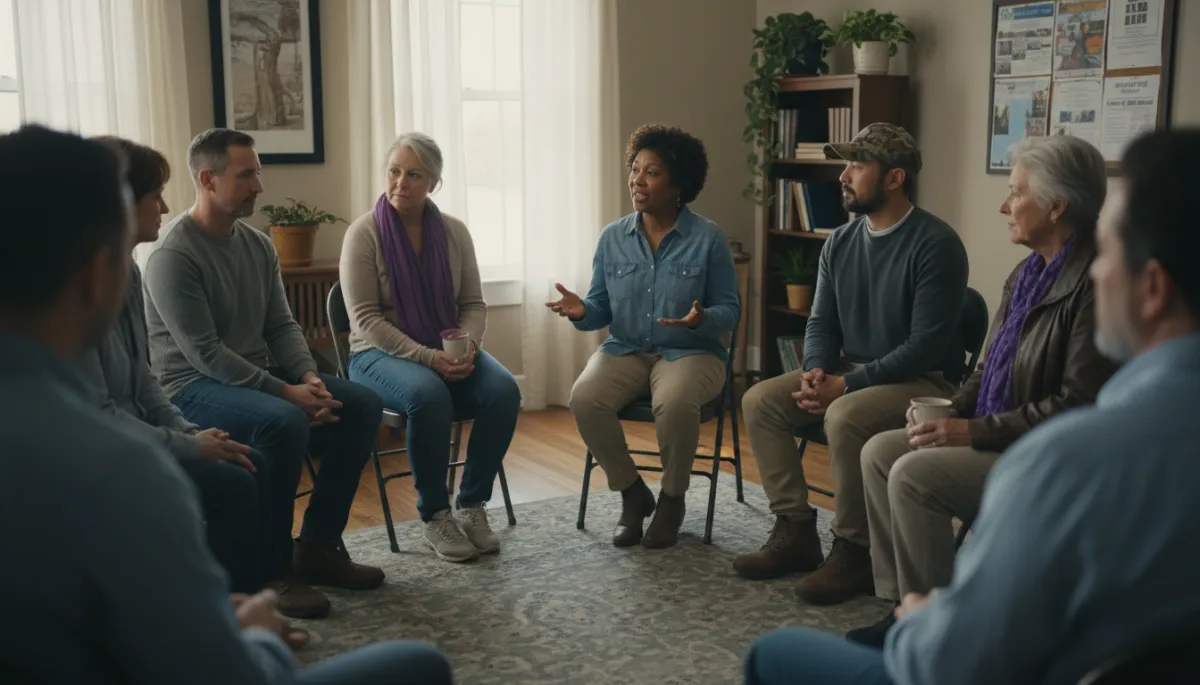
Peer support often reveals struggles that never make it into official claim files.
PTSD Awareness: Why It Matters for Fair Ratings
PTSD awareness is more than a slogan; it is a practical necessity for fair evaluations. PTSD can affect every part of a veteran’s life: sleep, mood, concentration, trust, and sense of safety. Yet it does not look the same in every person. Some veterans are irritable and quick to anger; others withdraw completely. Some have vivid flashbacks; others feel numb and detached. When evaluators and even veterans themselves have only a narrow picture of what PTSD “should” look like, important symptoms can be missed or dismissed.
Greater awareness helps in several ways. First, it encourages veterans to recognize their own experiences as legitimate mental health concerns rather than personal failings. Second, it prompts providers to ask better questions and look beyond stereotypes. Third, it supports more accurate and thorough documentation, which is vital when filing for veteran benefits. When PTSD and related conditions are properly identified, described, and linked to service, it becomes harder for the claims process to minimize or underrate the true level of impairment.
📌 Key Takeaway: The more clearly PTSD and other mental health symptoms are described, the more difficult it is for a rating decision to overlook or underestimate them.
Underrated Support: When Help Exists but Doesn’t Reach Veterans
Another dimension of this issue is what might be called underrated support. In many communities, resources exist: counseling services, peer support groups, hotlines, and specialized treatment programs for veterans. However, these supports are often underutilized or poorly understood. A veteran may not know what is available, may assume they do not qualify, or may be hesitant to trust new providers after a negative experience. As a result, they go without consistent care, and their claim file shows limited evidence of ongoing symptoms or treatment.
This gap between available resources and actual use contributes directly to underrated mental health claims. When decision-makers review a file and see little or no recent treatment, they may assume the condition has improved. In reality, the veteran may have simply given up on seeking help or faced barriers such as transportation, cost, or long wait times. Closing this gap—by connecting veterans with trustworthy, accessible mental health services—strengthens both their well-being and their claims for deserved benefits.
💡 Pro Tip: Even if you feel discouraged, keeping a record of your symptoms and any attempts to seek care can provide valuable evidence if you later decide to file, appeal, or request an increased rating.
Practical Steps Veterans Can Take to Strengthen Mental Health Claims
1. Be Honest and Specific About Symptoms
When talking with providers or examiners, resist the instinct to downplay what you are experiencing. Instead of saying, “I’m fine, it’s manageable,” describe concrete examples: how often you have nightmares, how many days each week you struggle to leave the house, or how your temper has affected your relationships. Specific details help professionals understand severity and document it accurately, reducing the risk of an underrated decision.
2. Seek Consistent Mental Health Care When Possible
Regular appointments with a mental health professional serve two crucial purposes. First, they provide real support and treatment, which can improve quality of life. Second, they create a clear record that documents the persistence and severity of your condition over time. This record can be powerful evidence in the claims process. Even if you feel that treatment is not perfectly effective, showing that you continue to struggle despite seeking help can reinforce the legitimacy of your claim for veteran benefits.
3. Keep a Personal Symptom Journal
Memory can be unreliable, especially when dealing with trauma, anxiety, or depression. Keeping a simple journal—on paper or electronically—can help you track patterns over weeks and months. Note sleep issues, panic episodes, angry outbursts, missed work, or days when you cannot face social situations. This record can refresh your memory before appointments and provide specific examples that make it harder for decision-makers to underestimate the impact of your mental health condition.
4. Involve Trusted Family Members or Friends
People close to you often see changes that you may not fully recognize or may dismiss as “just having a bad day.” Statements from spouses, partners, friends, or coworkers can provide valuable third-party observations about how your mental health affects daily life. These written statements can support your claim and make it more difficult for a rating decision to ignore or underrate your struggles.
5. Consider Working with a Veteran Service Officer or Advocate
The claims process is complex, and you do not have to navigate it alone. Accredited Veteran Service Officers (VSOs), nonprofit organizations, and legal advocates specialize in helping veterans present the strongest possible case. They understand common reasons for underrating and can guide you in gathering evidence, preparing for examinations, and filing appeals if necessary. While they cannot guarantee a particular outcome, their experience can significantly reduce avoidable mistakes that lead to undervalued mental health claims.
Understanding Veteran Benefits for Mental Health Conditions
Mental health-related veteran benefits extend beyond a monthly disability check. Depending on your rating and specific circumstances, you may also be eligible for:
Access to specialized mental health treatment programs, including inpatient, outpatient, and residential care
Medication management and therapy services through veteran health systems or community partners
Vocational rehabilitation and employment support if your condition affects your ability to work
Education benefits, housing assistance, and other forms of support that can reduce stress and improve overall stability
When mental health claims are underrated, veterans may lose access to critical services they genuinely need. This is not simply a matter of compensation; it is about having the tools and resources to rebuild a life after service. Ensuring that mental health conditions are properly recognized and rated fairly is a key part of honoring the commitment made by those who served.
Appeals and Increases: What to Do If You Believe Your Claim Is Underrated
If you receive a mental health rating that does not reflect your lived experience, you are not without options. Many veterans successfully appeal or request an increase after gathering additional evidence or clarifying their symptoms. Key steps can include:
Carefully reading the decision letter to understand the reasons given for the rating
Obtaining copies of examination reports and medical records used in the decision
Seeking a second opinion or an independent medical evaluation from a qualified mental health professional familiar with veterans’ issues
Gathering lay statements from family, friends, or coworkers who can describe how your condition affects daily life
Consulting with a VSO or accredited representative to determine the best appeal route and timelines
📌 Key Takeaway: An underrated decision is not the end of the road. With persistence, documentation, and the right support, many veterans succeed in securing a rating that more accurately reflects their mental health challenges.
Moving from Underrated Support to True Recognition
The fact that so many mental health claims are underrated is not a reflection of veterans’ worth or legitimacy. It is a reflection of systems that were not fully designed for the complexity of invisible wounds. By understanding how the claims process works, recognizing the role of stigma and incomplete documentation, and taking proactive steps to tell their stories clearly, veterans can improve their chances of receiving fair evaluations and meaningful support.
At the same time, families, communities, providers, and policymakers all have a role to play. Increased PTSD awareness, better training for examiners, and a stronger commitment to listening to veterans’ lived experiences can gradually shift the system toward more accurate and compassionate decisions. When mental health conditions are recognized for the serious, life-altering challenges they are, veteran benefits become not just a bureaucratic outcome, but a tangible expression of national gratitude and responsibility.
A Final Word to Veterans Navigating Mental Health Claims
If you are a veteran considering a mental health claim—or living with a rating that feels too low—know that you are not alone, and your experience is valid. The process can be frustrating and, at times, discouraging. Yet your service and your struggles matter. Seeking help is not a sign of weakness; it is a continuation of the courage you showed in uniform, applied now to caring for yourself and your future.
Reaching out for mental health support, learning how the claims process works, and connecting with trustworthy advocates can turn underrated support into the comprehensive, respectful care you deserve. The path may not be simple, but it is worth walking—and you do not have to walk it alone.
If you’re ready to explore your options, get support, or be connected with resources that understand veterans’ unique challenges, visit www.valorhealth.net to take the next step.