

Weight Management for Veterans with Pain
Veterans Health, Weight Management, Pain Management, Limited Mobility
Healthy Weight Management for Veterans With Pain or Limited Mobility
Living with chronic pain or limited mobility can make healthy weight management feel overwhelming, especially for Veterans who have already pushed their bodies to the limit. This guide offers friendly, practical strategies to support Veterans Health, focusing on realistic changes in movement, pain management, and everyday nutrition tips that fit your life right now.
Why Weight Management Matters for Veterans Health
Many Veterans face a unique combination of challenges: chronic pain, service-related injuries, PTSD, sleep issues, and limited mobility. All of these can affect appetite, energy levels, and activity. When movement is harder, it is easy for extra weight to creep on, and losing it can feel impossible. Yet, even small steps toward healthy weight management can make a big difference in overall Veterans Health, especially for your joints, heart, and mood.
Carrying extra weight can increase pressure on painful knees, hips, and backs, and it can make conditions like arthritis, diabetes, and heart disease harder to manage. The good news is that you do not need to aim for a “perfect” weight to see benefits. Research shows that losing even 5–10% of your body weight can ease pain, improve mobility, and support better pain management. For many Veterans, that might mean focusing on 10–20 pounds over time, not a drastic transformation overnight.
💡 Friendly Reminder: Healthy weight management is not about blame or perfection. It is about giving your body the support it deserves after everything it has done for you.
Understanding the Connection Between Pain, Limited Mobility, and Weight
Pain and weight often form a frustrating cycle. Pain makes it harder to move, so you burn fewer calories. Less movement can lead to weight gain, which increases stress on your joints and may worsen pain. On top of that, some medications used in pain management or for mood and sleep can increase appetite or cause fluid retention, making weight control even trickier.
Limited mobility adds another layer. Maybe you use a cane, walker, or wheelchair, or you cannot stand for long periods. You might have been very active during service, so it can be emotionally tough to see your body change. A key mindset shift is to recognize that movement does not have to look like traditional exercise. Gentle, adaptive activity that respects your pain and mobility limits still counts and can still help your weight and overall Veterans Health.
📌 Key Takeaway: Pain and limited mobility are real barriers, but you can still make progress by focusing on what you can do, not what you used to do.
Setting Realistic, Veteran-Friendly Goals
A healthy lifestyle does not happen overnight. The most successful weight management plans for Veterans with pain or limited mobility are built on small, realistic goals that feel doable, not discouraging. Instead of focusing on a big number on the scale, try setting goals like:
“I will add one serving of vegetables to my lunch most days this week.”
“I will do 5–10 minutes of gentle chair exercises three times this week.”
“I will drink water instead of soda at least once a day.”
These may sound simple, but stacking small wins builds confidence and momentum. Over time, these small changes add up to a healthier lifestyle, less pain, and more energy. Remember, your service taught you how to work with discipline and persistence. Those same strengths can support your health journey—just at a different pace and with new tools.
Nutrition Tips: Eating Well When You Are Not Very Active
When movement is limited, nutrition plays an even bigger role in weight management. You do not need a complicated diet or expensive health foods. Focus on simple, steady changes that support Veterans Health and help you feel satisfied, not deprived. These nutrition tips are designed with pain, limited mobility, and real-life schedules in mind.
1. Build Balanced Plates the Easy Way
A helpful tool is the “half-plate rule.” When you look at your plate:
Fill half your plate with vegetables or fruit (fresh, frozen, or canned in water/light syrup).
Use one-quarter of the plate for lean protein like chicken, turkey, fish, beans, tofu, or eggs.
Use the last quarter for whole grains or starchy foods like brown rice, whole-wheat pasta, sweet potatoes, or corn.
This simple framework supports healthy weight management without counting every calorie. It also keeps your blood sugar more stable, which can help with energy and cravings.
2. Choose Foods That Fight Inflammation and Support Pain Management
Certain foods can support your body’s natural healing and may help with inflammation, which is often linked to pain. While food is not a cure, it can be part of a smart pain management plan. Try to include more of these options in your weekly meals:
Fatty fish like salmon, sardines, or trout (rich in omega-3s).
Colorful fruits and vegetables such as berries, leafy greens, carrots, and peppers.
Nuts and seeds like walnuts, almonds, chia, and flax seeds (in small portions).
Olive oil instead of butter for many dishes.
At the same time, try to cut back a bit on foods that tend to increase inflammation, such as heavily processed snacks, sugary drinks, and fried foods. You do not have to cut them out completely, but reducing how often you have them can support both pain management and weight control.
3. Plan for Pain Flare Days and Low-Energy Days
Veterans living with chronic pain or limited mobility often have “good” days and “hard” days. On tough days, cooking from scratch may not be realistic. Planning ahead can keep you from relying only on fast food or snacks when you are hurting or exhausted. Consider these friendly, low-effort nutrition tips:
Keep healthy frozen meals on hand (look for options lower in sodium and with vegetables included).
Stock ready-to-eat proteins like rotisserie chicken, canned tuna, low-sodium beans, or pre-cooked grilled chicken strips.
Use pre-chopped or frozen vegetables to save time and effort in the kitchen.
💡 Pro Tip: On a better day, prepare a double batch of a simple, healthy meal—like chili, soup, or baked chicken—and freeze individual portions for the future.
4. Watch Out for Liquid Calories and “Comfort” Snacks
It is easy to underestimate how many calories we drink. Soda, sweet tea, fancy coffee drinks, and alcohol can quietly add up, especially when you are not moving much. Try swapping one sugary drink each day for water, unsweetened tea, or flavored sparkling water. Over a month, that simple change can support steady weight management without feeling like a strict diet.
When pain or stress hits, many people reach for comfort snacks. Instead of trying to rely on willpower alone, set up your environment to help you. Keep healthier options within easy reach—like nuts, fruit, yogurt, or whole-grain crackers—and keep large bags of chips or candy out of sight or out of the house. You deserve comfort; this is just about choosing comfort that supports your health too.
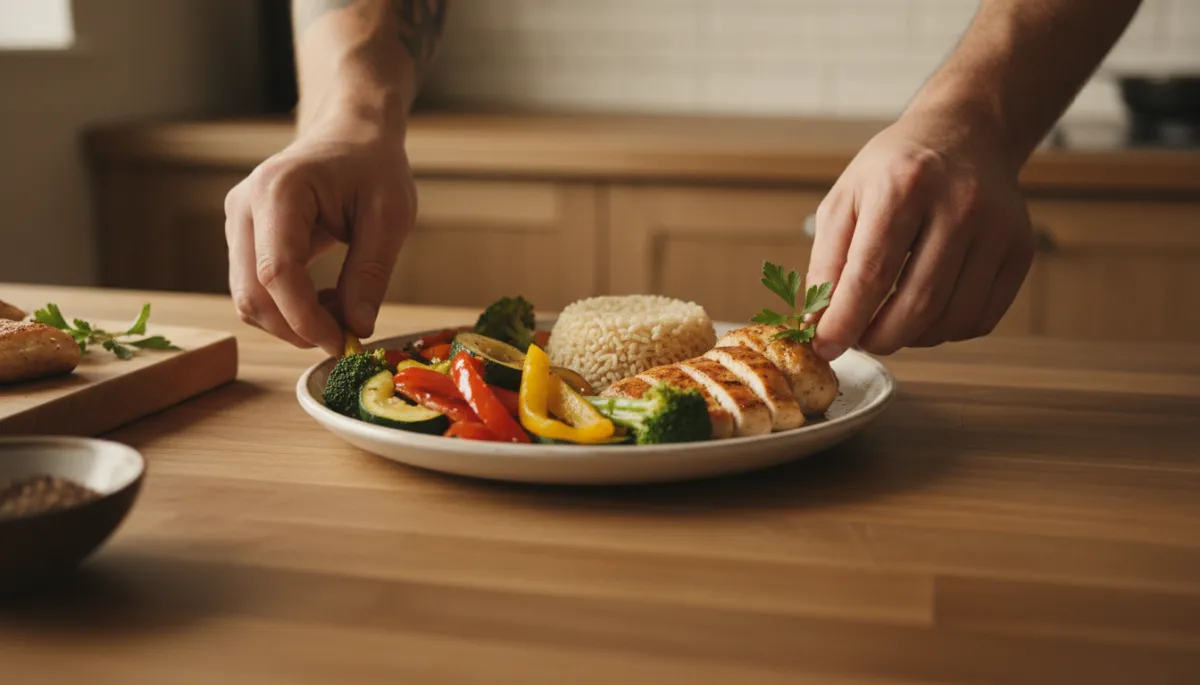
Simple, balanced meals support weight, energy, and long-term Veterans Health.
Moving Safely With Pain or Limited Mobility
Exercise can feel intimidating when your body hurts. The goal is not to run marathons or return to boot-camp workouts. For Veterans with limited mobility, movement is about maintaining strength, protecting joints, and boosting mood. Always talk with your health care team before starting new activities, especially if you have heart conditions, recent surgeries, or severe pain. Once you have the green light, consider these gentle options.
Chair Exercises and Seated Strength Training
Chair exercises are a great option for Veterans who cannot stand for long or who use wheelchairs. You can work your arms, core, and even legs while staying seated. Examples include:
Seated marches, lifting one knee at a time if comfortable.
Light arm curls with small hand weights or water bottles.
Seated torso twists to gently work your core muscles.
Start with just a few minutes and gradually increase as tolerated. Even 5–10 minutes can support weight management by boosting your daily calorie burn and helping maintain muscle mass, which is important for Veterans Health as you age.
Water-Based Exercise and Gentle Stretching
If you have access to a pool, water exercise can be a game-changer. Water supports your body weight, reduces joint stress, and allows you to move more freely. Many community centers and some VA facilities offer water aerobics or open swim times. Even simple walking or gentle leg movements in chest-deep water can help with pain management and mobility.
Gentle stretching or yoga adapted for chairs or limited mobility can also improve flexibility and reduce stiffness. Look for classes or online videos specifically labeled for seniors, beginners, or people with chronic pain. Remember, you are always in charge: if a movement hurts sharply or feels wrong, stop and modify.
Pacing Yourself to Avoid Flares
Many Veterans with chronic pain fall into the “boom-and-bust” cycle: feeling good one day, doing too much, and then paying for it with a pain flare that wipes them out. A more sustainable approach is called pacing. That means:
Breaking tasks into smaller chunks (for example, cleaning one room at a time instead of the whole house).
Scheduling brief rest breaks before you feel completely exhausted.
Keeping activity at a steady, moderate level instead of big spikes.
Pacing protects you from major flares, which in turn keeps you more consistent with gentle activity—an important part of long-term weight management and a healthier lifestyle.
Emotional Wellness, Sleep, and Their Role in Weight Management
Pain, limited mobility, and changes in daily routines can affect mental health. Many Veterans also carry invisible wounds—such as PTSD, anxiety, or depression—that can influence eating habits and motivation. It is common to use food for comfort or to struggle with emotional eating, especially late at night or during times of stress. Being kind to yourself and recognizing these patterns is an important step toward a healthier lifestyle.
Sleep also plays a major role in weight management. Poor sleep can increase hunger hormones, reduce your willpower around food, and make pain feel worse. If you have sleep apnea, nightmares, or difficulty staying asleep, talk with your health care team. Addressing sleep issues can make it easier to stick with nutrition tips and gentle activity during the day.
💬 Support Idea: Consider connecting with a Veterans support group, counselor, or peer mentor. Sharing your experiences with people who “get it” can lower stress and make healthy changes feel more manageable.
Working With Your Health Care Team and VA Resources
You do not have to navigate weight management, pain management, and limited mobility alone. The VA and many community clinics offer programs designed specifically to support Veterans Health. Ask your provider about:
Nutrition counseling with a registered dietitian who understands chronic pain and mobility limits.
MOVE! Weight Management Programs or similar group classes focused on realistic goals for Veterans.
Physical therapy to create a personalized plan that protects your joints while improving strength and mobility.
Mental health support to address stress, PTSD, depression, or anxiety that may affect your eating and activity.
When you talk with your care team, be honest about your pain levels, daily limitations, and what feels realistic. A good plan for healthy weight management should fit your life, not the other way around. If something is not working, speak up—your plan can be adjusted.
Practical Everyday Tips for a Healthier Lifestyle
To bring everything together, here are some simple, everyday strategies to support weight management, pain control, and overall Veterans Health—even when mobility is limited:
Eat on a regular schedule to avoid getting overly hungry and overeating later.
Use smaller plates to naturally reduce portion sizes without feeling deprived.
Keep healthy snack “stations” in spots where you spend time—like by your favorite chair or desk.
Set gentle movement reminders on your phone to stretch, change positions, or do a few minutes of chair exercises throughout the day, if your pain allows.
Stay hydrated; thirst can sometimes feel like hunger, and drinking water supports joint health and digestion.
Giving Yourself Credit: Celebrating Progress, Not Perfection
As a Veteran, you have already done hard things. Healthy weight management with pain or limited mobility is another challenge—but it is one you do not have to face alone or perfectly. Every small step counts: choosing water over soda once, adding an extra serving of vegetables, doing five minutes of gentle movement, or reaching out for help when you need it. Those choices add up to a healthier lifestyle over time.
Be patient with yourself on tough days. Pain flares, low energy, or emotional stress will happen. Instead of seeing them as failures, view them as part of the journey. When you are ready, simply return to your basic habits: balanced meals, gentle movement as tolerated, and self-compassion. Your body has carried you through a lot. It deserves care, kindness, and realistic support—not harsh criticism.
📌 Final Thought: Healthy weight management for Veterans with pain or limited mobility is not about becoming someone new. It is about taking care of the person you already are—with respect, patience, and the right tools.
If you are ready to take the next step, consider talking with your VA or community health provider about a personalized plan. Ask about nutrition tips tailored to your medical conditions, adaptive movement options, and support for emotional wellness. With the right team and a friendly, realistic approach, you can move toward a healthier lifestyle—one small, meaningful step at a time.